


Add Us On GoogleAdd as a preferred source on Google
N.Y. (WBNG) – Lyme disease is caused by the bacterium Borrelia burgdorferi and is spread through the bite of infected deer ticks. According to the Centers for Disease Control and Prevention, early treatment with antibiotics can be effective, while untreated infections can affect the joints, heart and nervous system
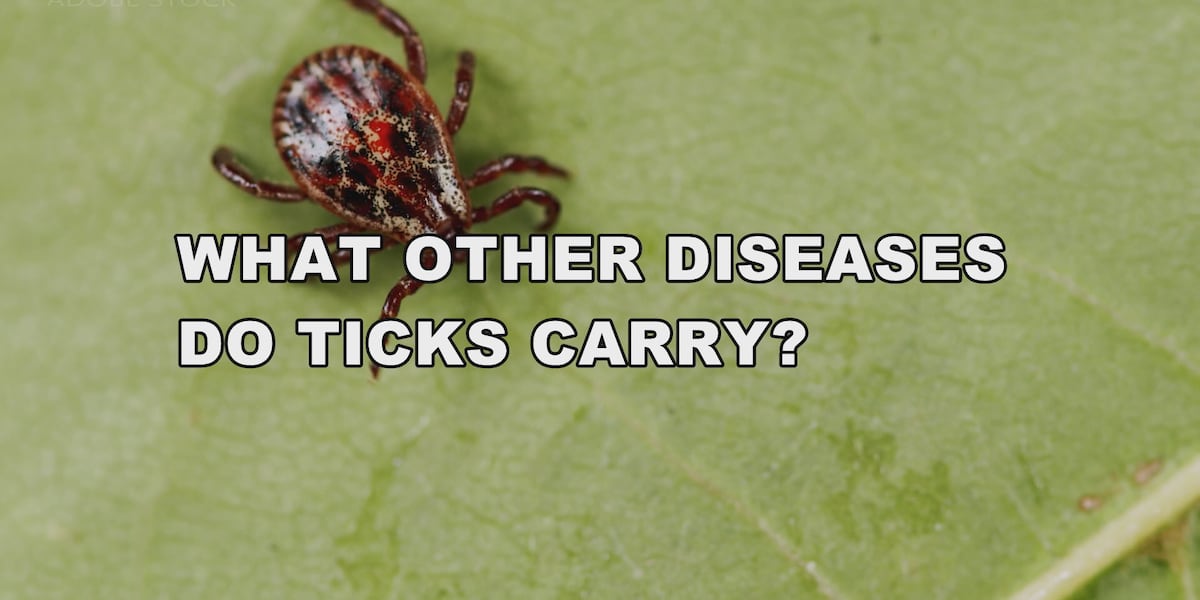
Not every tick species can transmit Lyme disease. Amanda Roome, co-director of the Binghamton University Tick-Borne Disease Research Center, said knowing what type of tick has bitten you matters
“I think awareness is really important,” Roome said. “We have different ticks around here, so knowing what you’ve been bitten by can really help you know what potentially you’ve been infected with. So, the deer tick can carry Lyme disease, but other ticks cannot carry it. So, if you get bitten by a dog tick, you don’t have to worry about Lyme disease because it cannot carry it, but you do have to worry about other things.”
Ticks can carry and transmit more than a dozen diseases in the United States. Two of the other main ones seen in New York are anaplasmosis and babesiosis
Roome described the differences between the two
“Anaplasmosis is a bacterium,” Roome said. “The symptoms are very similar to Lyme disease. Typically, anaplasmosis, you don’t get a bullseye rash. Not all cases of Lyme do either — I don’t want that to be a misconception — but anaplasmosis pretty much never has a rash. But same thing, flu-like symptoms, severe fatigue, muscle aches, high fever, headache, things like that.”
“Babesiosis is a parasite, and that infects red blood cells,” Roome said. “Very similar symptoms, kind of lethargic, fatigued, muscle aches and pains. And babesiosis can actually leave you anemic as well in severe cases. Some people can fight off babesiosis on their own. Some need to have treatment. But again, with treatment, recovery is pretty normal for babesiosis, not really lingering symptoms.”
According to the CDC and the New York State Department of Health, symptoms can appear three to 30 days after a tick bite. Those can include fever, fatigue, headaches, and muscle and joint aches. One characteristic of Lyme disease to look for is a bullseye rash, though not everyone develops one
Wearing long clothing in wooded areas or tall grass is one option. Roome also recommends performing tick checks
“Tick checks are very useful,” Roome said. “If you’re outside, even just in your yard gardening where you don’t think there’s going to be ticks, check yourself. They usually crawl around on you for a little while before they bite. So, if it doesn’t bite you, it’s not a problem. Checking for ticks is really important.”
Roome also said sprays and repellents can be effective
“Permethrin is a spray that is meant for clothing — it is not for your skin,” Roome said. “It’s just to treat clothing or shoes or gear or anything like that. And it’s an acaricide, so it kills ticks on contact. That I swear by. I have collected over 7,500 ticks for my research, and I have been bitten one single time. The University of Rhode Island did a study on permethrin, and even if you’re just treating shoes and socks, you are 74 times less likely to be bitten by a tick than if you don’t have any spray.”
Roome added that monitoring pets is another step in reducing tick exposure
“Pay attention to your pets,” Roome said. “Giving your pets preventive, one, you want to protect them, but it also inadvertently protects you because especially dogs or cats can operate as a sentinel species. They go out, they come back inside, they lay on the couch with you, they sleep in your bed with you. A tick could crawl off of them and onto you.”
There is currently no approved Lyme disease vaccine for humans, but one is in development. Roome said she is participating in a Pfizer clinical trial
“Pfizer has been doing a clinical trial for a Lyme vaccine,” Roome said. “In February or March, I believe, they had published an article. They were in phase three clinical trials for a Lyme vaccine, and they found it to be about 70% effective, which is 70% more than zero. So that’s awesome. I happen to be in the clinical trial. So that’s in the works, and I think that can be really promising.”
Several Lyme disease vaccines are available for dogs, but none currently exist for cats
According to the CDC, the best way to remove a tick safely and efficiently is to use fine-tipped tweezers, pulling upward with steady pressure until the tick comes off. The bite site should be cleaned and monitored for symptoms. A <a href="https://healthylife7.com/american-healthcare-reits-1-4b-investment-push-fueled-by-powerful-tailwinds-for-long/” title=”American Healthcare REIT’s $1.4B Investment Push Fueled by ‘Powerful’ Tailwinds for Long”>healthcare provider may recommend a single dose of antibiotics
According to the CDC, most insurance plans cover medically necessary Lyme disease care, including doctor visits, testing and antibiotics. Long-term or repeated courses of antibiotics, alternative or experimental treatments, and out-of-network clinics are generally not covered
Copyright 2026 WBNG. All rights reserved
