


Louisiana Reports Nine Vibrio vulnificus Cases as Five Patients Die
Sunday, 9 August 2026, 21:44
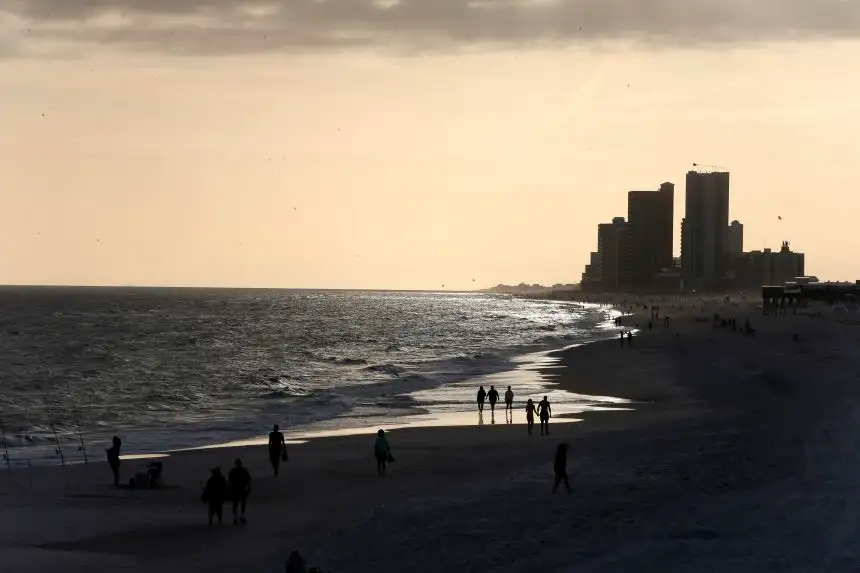
People stroll along the shoreline in Orange Beach, Alabama, on March 12, 2020. Gerald Herbert/AP
A summer day by the water can turn dangerous quickly, especially for people with existing health conditions or unnoticed cuts on their skin
AP – Louisiana health officials are urging beachgoers to exercise caution during the summer peak in infections caused by the bacterium Vibrio vulnificus, which lives in coastal waters
According to the Louisiana Department of Health, 9 Vibrio vulnificus infections have been confirmed in the state this year. All of the patients were hospitalized, and 5 people have died. During the same period over the previous decade, Louisiana recorded an average of 7 cases and one death
Seek medical attention immediately if a wound that has come into contact with brackish or seawater becomes red, swollen, painful, warm or discolored. Tell your health care provider about the water exposure
– Louisiana Department of Health
The situation in Florida and the region
Most infections are reported from May through October, primarily in states along the Gulf Coast
Florida, which typically reports more cases, has recorded 14 Vibrio vulnificus cases and two deaths so far this year, compared with 33 cases and five deaths throughout last year. Data indicate that the number of cases increases in years when Florida is affected by tropical storms and hurricanes
How the infection spreads and the risks
Some people become infected by eating raw or undercooked shellfish – particularly oysters. However, a significant share of cases occurs when people are in seawater or brackish water and the bacteria enter the body through small cuts in the skin
Doctors say severe forms of the disease are more common among older patients, people with weakened immune systems, and those with liver disease, diabetes and certain chronic conditions
Scientists believe climate change is contributing to the bacteria’s growth and northward spread. A 2023 study found that the northernmost case is shifting about 30 miles farther north each year, while the overall number of cases is increasing
Vibrio vulnificus can enter the body through unstitched cuts and scrapes, fresh puncture wounds and tattoos, as well as recent surgical incisions. People should immediately wash cuts and scrapes with soap and clean water after contact with coastal waters or raw seafood, the CDC says. Seek medical attention if symptoms such as fever, chills or hot, reddened skin appear – the skin may darken and develop blisters
Oysters pose a particular risk because it is impossible to tell whether an oyster is contaminated simply by looking at it. People with weakened immune systems are advised to wash their hands with soap after handling raw shellfish and wear protective gloves if they are at increased risk of infection
Officials also offer guidance on preparing shellfish: shellfish with open shells should be discarded before boiling or steaming
According to the CDC, following this advice can help reduce the risk of infection, especially during beach season. At the same time, health experts emphasize the need to be cautious when coming into contact with water and raw seafood
Remember: following basic personal hygiene practices and paying close attention to your health while spending time near the water can reduce the risk of serious infections and help ensure a safe getaway in the region
See also:
- Vibrio vulnificus, a dangerous bacteria thriving in warm coastal waters, causes severe infections like necrotizing fasciitis. Climate change increases its spread. Learn prevention tips and a survivor’s story from Louisiana.
