


Healthy fast casual goes convenient: Konala, Clean Eatz redefining drive-thru, grab-and-go | Fast Casual
Food & Beverage
Healthy fast casual goes convenient: Konala, Clean Eatz redefining drive-thru, grab-and-go
Two brands, two models — one goal: making nutritious food as fast and effortless as fast food
Source: Konala
August 11, 2026 by Amy Sorter — Writer and Editor, Connect Media
Summarize with
ChatGPT
Grok
Perplexity
Claude
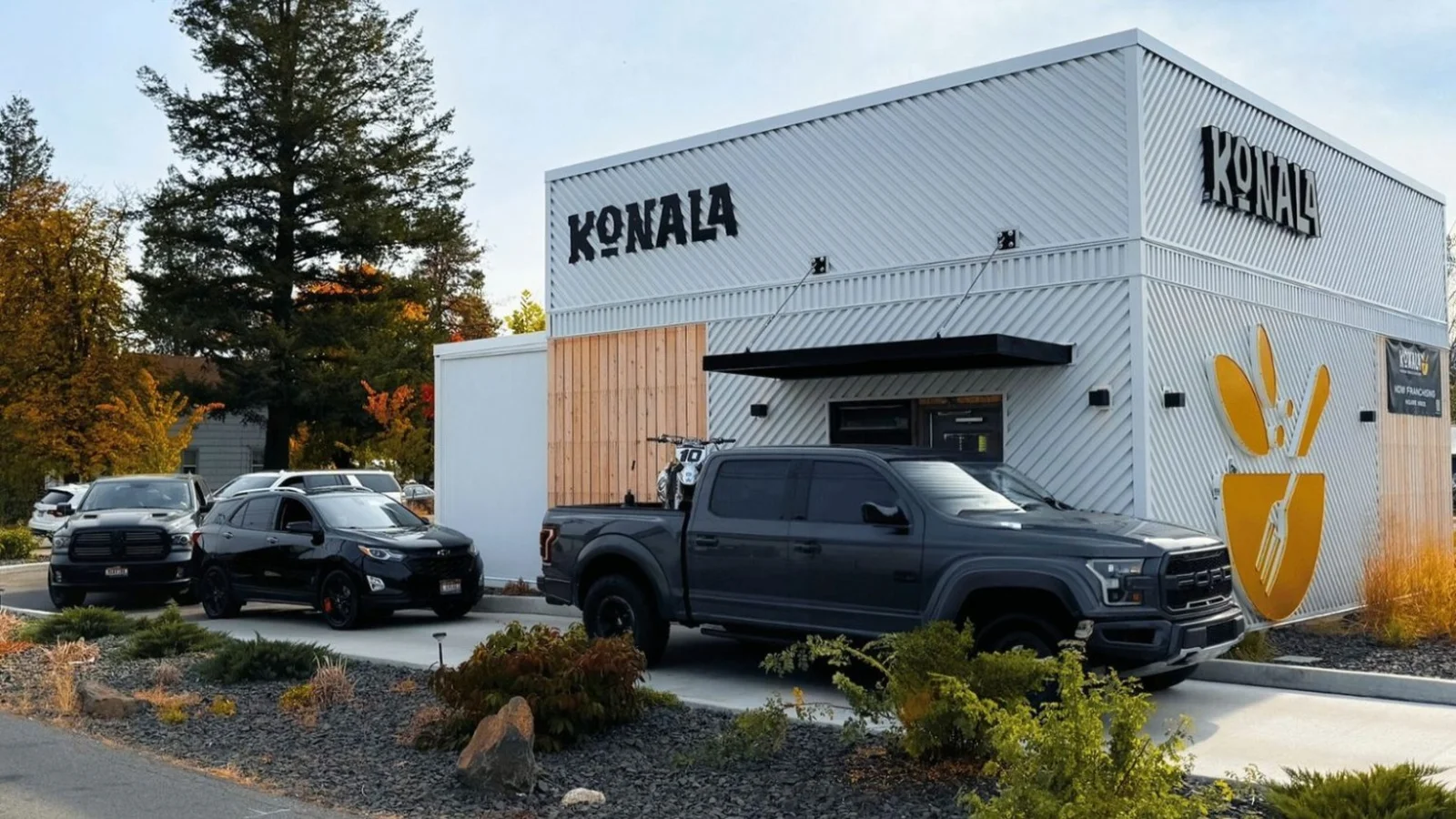
| Trace Miller, courtesy of Konana |
For years, fast-casual diners had to choose between convenience and healthier food. For the most part, they were okay with those different options
These days, not so much
Consumers increasingly want meals that fit their health goals without added time or extra effort. Brands such as Konala and Clean Eatz are responding by providing different types of convenience, one through speed and accessibility, the other through meal planning and ready-to-eat options
“The biggest shift we’ve seen is that convenience and wellness are no longer viewed as opposing ideas,” Don Vardy, co-owner of Clean Eatz, told FastCasual. “Guests increasingly expect healthy food to be just as accessible as traditional fast food.”
Convenience is not an option
Consumers may want to eat healthier. This doesn’t mean they want to work at it, however. That means restaurant operators need to think about convenience as part of the customer experience rather than something bolted on as an afterthought
“Guest expectations have evolved beyond speed alone,” Vardy said. “Today’s consumers are juggling work, family, fitness goals and increasingly personalized nutrition, so they’re looking for food that’s convenient, nutritionally transparent and easy to incorporate into their routine.”
Clean Eatz of Wilmington, North Carolina, addresses that demand through a combination of weekly meal plans, ready-made grab-and-go meals, café offerings and catering. The model allows customers to address both immediate and planned meal occasions without having to cook everything themselves
Then, there’s Konala, which takes a more immediate approach
The Post Falls, Idaho-based brand offers high-protein meals through a drive-thru, putting healthier food into a distribution format that has been associated with both convenience and less-healthy choices
“Drive-thru used to be shorthand for fast food in the unhealthy sense, and healthy eating meant making time for it,” Trace Miller, Konala’s founder and CEO, told FastCasual. “Customers aren’t sacrificing nutrition for convenience anymore. They’re getting both in the stop they were already going to make.”
That distinction could be particularly meaningful outside major urban markets, where consumers may have fewer healthy fast-casual options. A drive-thru format can bring those choices into the same suburban routines that already include school pickups, commutes and quick lunch stops
| Don Vardy, Courtesy of Clean Eatz |
As a result, the stop still requires only a few minutes. But what’s waiting at the window is more nutritious
In-depth planning
Making healthy food convenient requires more than simply offering it for pickup or bolting on a drive-thru window as an afterthought. The restaurant format must be designed for consistency without getting in the way of operations
“Operationally, one of the most important elements is creating a menu that is both nutritionally intentional and practical to execute,” Vardy said. “Meals need to deliver the balance and portioning our customers expect, but they also need to be prepared consistently across the system.”
For Clean Eatz, this means coordinating several revenue streams, including made-to-order café meals, weekly meal-plan production, grab-and-go inventory and catering. Clear forecasting, standardized recipes and structured production schedules help the company manage those demands while maintaining freshness and consistency, Vardy said
Then, there’s the technology factor. Digital and advance ordering give customers the ability to plan purchases before they arrive, while giving operators better visibility into upcoming demand. That information provides insights into labor scheduling and inventory management. A well-integrated point-of-sale and ordering system also helps operators understand where demand is coming from and how well each revenue stream is performing
Konala’s approach is somewhat different, but the underlying philosophy is similar. Namely, keep everything simple enough to facilitate speed and consistency
“I like to say simple scales, fancy fails,” Miller said. “We think strategically about our kitchen setup, order processing, bowl assembly, and where we place our employees. But we don’t overcomplicate any of it, and that’s exactly what keeps us fast.”
One example of this is Konala’s preparation processes, which rely on a single oven to cook menu items simultaneously, so they’re ready quickly. The oven is programmed to provide consistent results for meat and vegetables. It also cleans itself
Healthy eating, made easier
The potential opportunity for healthy fast-casual concepts isn’t so much about convincing consumers to eat better. Many already want to do that. Rather, it’s about making it easier for them to obtain healthy food more conveniently
“They don’t want to make multiple grocery trips or spend hours meal prepping on Sunday just to stay on track,” Vardy said. “The brands that eliminate those friction points will have a real advantage.”
That could also give a competitive edge to restaurant concepts that make healthy eating require less thought, time and effort
For Konala, convenience means offering high-protein meals through drive-thrus. For Clean Eatz, it means offering healthy meals that are already planned, prepared or waiting in the grab-and-go case
“We’re not asking anyone to change how they like to order,” Miller said. “We’re just making sure that when they pull up to a drive-thru in a smaller town or a suburban strip mall, healthy is finally one of the options.”
Both brands approach the issue differently. However, they address the same need: nutritious eating can be achieved without sacrificing convenience
“I think consumers will increasingly choose brands that fit into their lifestyle rather than asking them to change it,” Vardy said
“Convenience will continue to matter, but it will increasingly be about helping people maintain healthy habits consistently, not just serving them quickly.”
Want to hear more?
Quinn Newhall, COO of Clean Eatz, will speak about the brand’s strategy during the session, “Profit That Sticks: The Catering P&L + Hidden Margin Leaks,” at The Restauarnt Catering Workshop, Oct. 6-7 in Arlington, Texas. Register here
Restaurant Design / LayoutHealth & NutritionCurbside & TakeoutBusiness Strategy and ProfitabilityMenu TrendsOperationsFood & BeverageTechnologyClean Eatz
About Amy Sorter
Amy W. Sorter is an award-winning journalist, copywriter and content producer. Sorter has generated quality articles, blogs and thought leadership pieces for multiple industries during her many decades as a writer. Her byline has appeared in local and national publications including the American Business Journal, Connect CRE, Bankrate, CURE Magazine and the Dallas Morning News
Related Media
Blog
The protein pivot: How customizable fast casuals win without reinventing the menu
Podcast
How PLNT Burger, Konala are out-conveniencing fast food
Article
Culinary Tides, Buona Companies, Roll Mobility leaders to give executive perspectives at Fast Casual Executive Summit
Article
Off-premise blitz: Turning pandemic survival tactics into long-term growth engines
Article
Farmer Boys, Taco Cabana, Costa Vida Fresh Mexican Grill execs talk high-tech drive-thrus
Article
From café to national movement: Clean Eatz Founders on scaling wellness without losing heart
Food & BeveragePresented ByOracle
Food & Beverage
Gen Z driving 2025 fast casual menu trends
Food & Beverage
How fast casuals can profit from ‘Sober-Curious Movement’
A View From The Top
Protein Bar & Kitchen exec: ‘Fast casuals must balance health, flavor, innovation’
Special Report
20 Fast Casual Brands to Watch in 2025
Presented by Oracle
TechnologyPresented ByOracle
Restaurant Catering Workshop
Restaurant catering doesn’t need more tech. It needs better tech
Technology
Nominations open for Top Women in Retail Technology awards
Technology
4 ways AI-using restaurants are cutting food, labor costs to outpace competitors
Special Report
Top 10 Trends in Restaurant Technology
Presented by Oracle
©2026 Connect Media, All rights reserved.
b’S1-NEW’
