


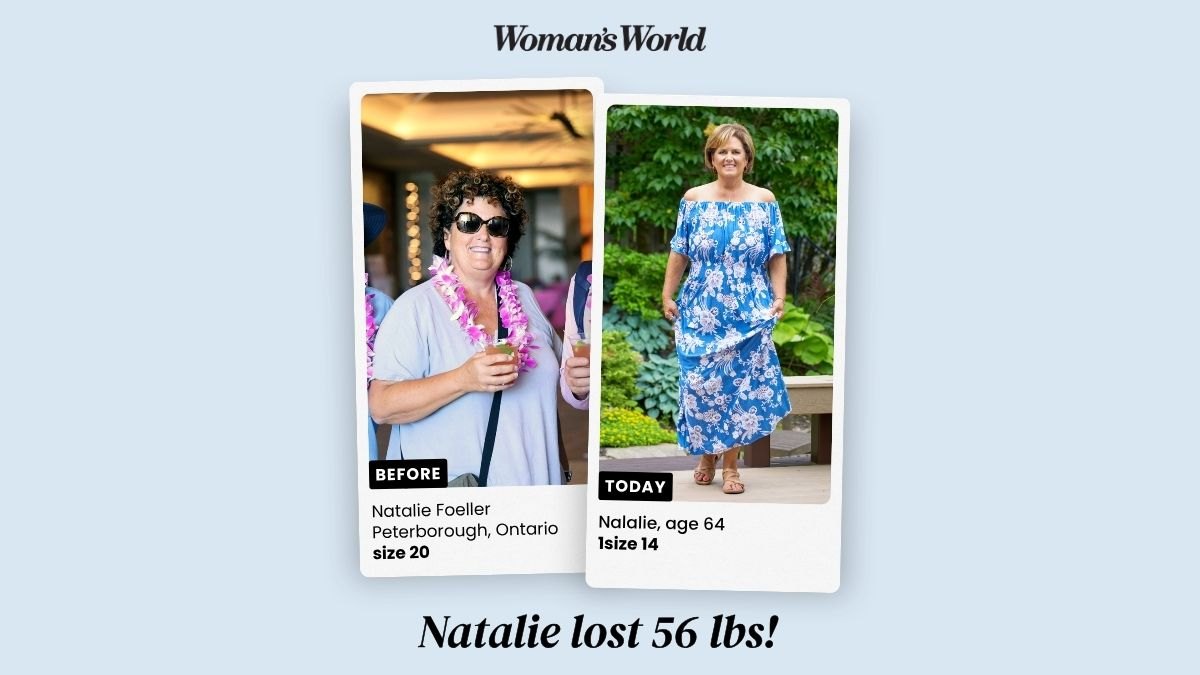
Doughnuts, chips and pizza, oh my! If constant thoughts of food get in the way of your health goals, natural GLP-1 can help. Yep, that’s the hormone artificially spiked by drugs like Ozempic, Wegovy, Zepbound and retatrutide—but they aren’t the only way to increase levels. “It’s actually pretty easy to mimic the benefits of GLP-1 drugs without a prescription,” says Fred Pescatore, MD, a Columbia University-trained nutrition expert. He’s helping us explain some of the best natural strategies here. How well do they work? “I’m losing weight without a diet for the first time in my life,” says retired nurse Natalie Foeller, 64. “I’m just not hungry like I used to be!”
What is GLP-1 exactly?
GLP-1 is a natural hormone released by the gut when you eat, and it’s kinda like a squad of riot police sent to keep appetite and blood sugar levels under control to protect your wellbeing. GLP-1 does its job by bullying other hormones, slowing digestion, even directly signaling the brain to quiet “food noise,” explains Dr. Pescatore, author of The A-List Diet.
Drugs like Ozempic and Zepbound contain synthetic GLP-1, giving you a bigger riot squad that patrols longer. But natural GLP-1 is still powerful on its own, and studies show that certain healthy lifestyle tweaks help your body make more of it. For many, it’s a perfect alternative to pricey drugs with scary potential side effects.
4 natural GLP-1 boosters
Natalie swears by science-backed techniques like these:
Morning protein makes natural GLP-1 soar
When a University of Cambridge team compared equal-calorie breakfasts, meals with the most protein sent GLP-1 soaring highest, and the effect held for four full hours. Separate research shows morning protein even cuts hunger well into the evening.
“Having cereal or toast for breakfast not only promotes a fattening blood sugar response, it means you miss one of your main chances to stimulate significant GLP-1 release,” says Dr. Pescatore. He gives a thumbs up to Natalie, who now gets 50 grams of protein from a daily morning shake made with protein powder and Greek yogurt.
Fiber drinks and gummies nearly double levels
When soluble fiber ferments inside us, it activates GLP-1 in the intestinal lining. You can get the effect from fiber in chia seeds, oats and beans. But the best-researched option is called polydextrose. Getting at least 4 grams of this fiber supplement daily is linked to a 39 percent increase in GLP-1 production and 31 percent less hunger. Natalie gets polydextrose from a cherry-flavored drink mix (more details on that in a moment).
Polydextrose is also the main ingredient in Target’s Up & Up brand fiber gummies, with 5 grams of polydextrose per 17¢ serving.
Workouts that boost stamina and GLP-1
Exercise that increases endurance—like the deep-water boot camp classes Natalie loves—has been shown to gradually increase GLP-1 secretion. Why? One theory is that this type of exercise enhances gut sensitivity to nutrients that trigger the hormone’s release, says Dr. Pescatore. Good news: Dancing, cycling and even brisk walking all build endurance. Just pick an activity you’re likely to stick with, since consistency is key to GLP-1 benefits.
Ample sleep keeps natural GLP-1 high
Women saw GLP-1 levels plunge after nights they slept four hours compared to nights they dozed for nine hours, according to a study in the journal Sleep. Turns out, short sleep spikes stress hormones, which suppress the gut’s ability to release GLP-1.
Dr. Pescatore notes that adequate sleep also gives your body downtime to better regulate blood sugar, mimicking another key effect of GLP-1 medications. As for Natalie, the former night owl now prioritizes turning in early—so it’s no wonder she’s seeing so many GLP-1 benefits.
Maximizing your results using natural GLP-1 boosters
Does boosting GLP-1 mean you can eat unlimited junk and magically improve your metabolic health to get lean? No. But it can dramatically reduce the struggle many women feel when trying to stick with healthy lifestyle changes long term, says Dr. Pescatore.
To try the approach, aim for at least 30 grams of protein per meal, 20 grams of fiber per day, 150 minutes of exercise a week and eight hours of sleep each night. It’s similar to the routine that had a huge impact for Natalie.
Natural GLP-1 success: Natalie Foeller, 64, lost 56 lbs
At this point 18 months ago, “food was on my mind all the time,” recalls the Ontario grandmother. “I didn’t know what it meant to not be thinking about food.” She’d gained 50 pounds since her 50th birthday and didn’t feel good in her body. Yet when she tried WeightWatchers and keto, she never got traction.
What changed? Natalie heard buzz about GLP-1 and a Slim Hunger Control drink (the polydextrose-based supplement is part of Plexus brand’s GLP-1 Support System kit, which she now uses regularly). She did research and got inspired. “I thought, I’m not going to count calories. I’m not going to worry about carbs. I’ll focus on being consistent with supplements, something I hadn’t been good at in the past. And I’ll really increase my protein and fiber,” she shares.
She aimed for 150 grams of protein a day. Her go-to options? Protein shakes, cottage cheese bowls, grilled meat with veggies and potatoes. For snack, she loves Quest chips (“They have 20 grams of protein per serving!”).
She saw impressive weight-loss results
A month later, down five pounds and chatting with girlfriends, “I remember saying, ‘I feel less interested in unhealthy foods.’” Her food noise just got quieter from there. “I can drive past McDonald’s or my husband can snack in front of me, and it has no effect,” she marvels. “It’s still a wild thing for me.” But she’s loving it.
Natalie is a year in, down 56 pounds and still losing. She can’t get over how good she feels. For years, extra pounds held her back. “Now I’m just so excited for life!”
This story originally appeared in the August 24, 2026 issue of Woman’s World
