

Close Menu
healthylife7.comhealthylife7.com

    Subscribe to Updates

    Get the latest creative news from FooBar about art, design and business.

    What's Hot

    Jetting off for a summer vacation? How to eat and drink to minimise jet lag

    August 16, 2026

    US law to investigate foodborne illness outbreaks has been delayed for 15 years

    August 16, 2026

    Gym fever takes over Watford – all the latest new openings, refurbishments and plans

    August 16, 2026
    Facebook X (Twitter) Instagram
    Trending
    • Jetting off for a summer vacation? How to eat and drink to minimise jet lag
    • US law to investigate foodborne illness outbreaks has been delayed for 15 years
    • Gym fever takes over Watford – all the latest new openings, refurbishments and plans
    • Short- and long-term shifts in food purchasing behaviours and nutrition disparities in the USA during and after the COVID-19 pandemic
    • Medieval times? You’re living in them
    • A Word on the Word: Praying with real words | ABS
    • More support for people affected by wildfire smoke
    • “90 Day Fiancé ”Star Says He Doesn’t Feel Like a ‘Scary Beast’ Anymore After Weight Loss and Hair Transplant (Exclusive)
    Facebook X (Twitter) Instagram
    healthylife7.comhealthylife7.com
    • Home
    • Fitness
    • Health
    • Nutrition
    • Lifestyle
    • Conditions
    • Mental Health
    • Weight Loss
    • Wellness Tips
    Sunday, August 16
    healthylife7.comhealthylife7.com
    Home»Fitness»Scientists reveal why walking gets so much harder with age
    Fitness

    Scientists reveal why walking gets so much harder with age

    healthylife7By healthylife7August 16, 2026No Comments4 Mins Read
    Facebook Twitter Pinterest LinkedIn Tumblr Reddit WhatsApp Email
    Scientists reveal why walking gets so much harder with age
    Share
    Facebook Twitter LinkedIn Pinterest WhatsApp Email

    Scientists reveal why walking gets so much harder with age

    Date:
    August 16, 2026
    Source:
    Flinders University
    Summary:
    As we age, the body appears to sacrifice walking efficiency in exchange for stability. Older adults stiffen the ankle more with each step, which may help prevent falls but also forces the muscles to work harder while producing less forward motion. This leads to shorter strides, slower walking, and faster fatigue. Exercises targeting balance, coordination, and lower-leg strength could help preserve mobility.
    Share:
    FULL STORY

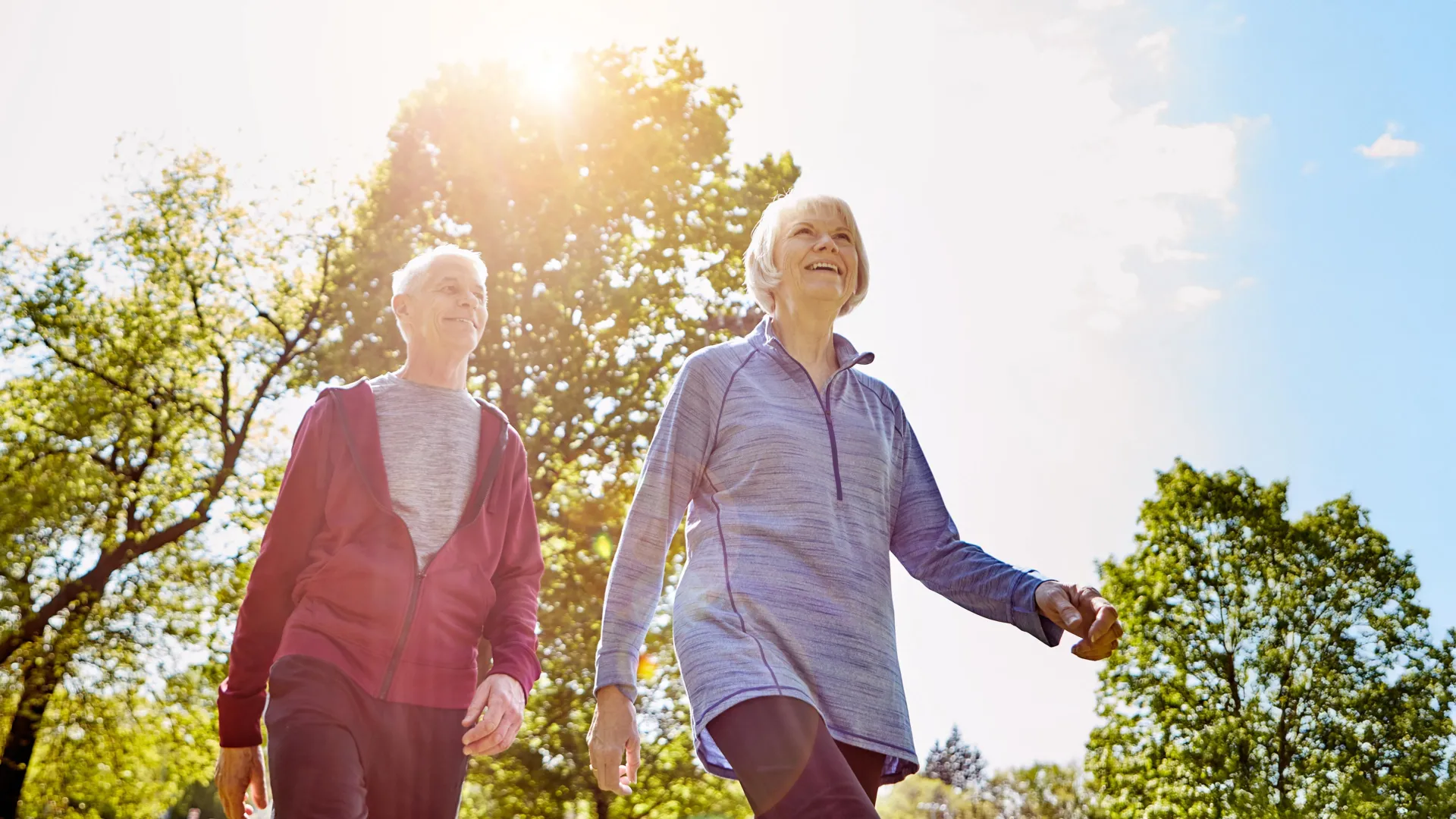
    New Australian research is shedding light on why walking often becomes slower and more tiring with age. The findings suggest that the body gradually gives up some movement efficiency in favor of staying stable and upright

    Led by researchers at Flinders University and the University of Canberra, the study found that aging is associated with a “safety-first” walking strategy. This approach emphasizes stability instead of speed and energy efficiency, helping explain why older adults may fatigue more quickly and also face a greater risk of falling

    Researchers analyzed movement data from 107 healthy adults between the ages of 26 and 86. They found small but meaningful age-related differences in how the ankle and nearby muscles manage each step

    How the Ankle Changes With Age

    Lead author and sport and exercise technology expert Dr. Cody Lindsay says the ankle is essential for maintaining balance while also helping propel the body forward

    “As we get older, the body starts to favor stability over efficiency,” says Dr. Lindsay, from the Flinders Caring Futures Institute

    “That helps keep us upright, but it also makes walking more of an effort.”

    The researchers found that older adults are more likely to activate opposing muscles around the ankle at the same time. This pattern is known as co-contraction. It makes the ankle joint stiffer and can improve stability when the foot contacts the ground

    However, Dr. Lindsay says this comes at a cost

    “Stiffening the joint makes walking safer, but it also means the muscles are working harder without generating as much forward movement,” he says

    Older participants also generated less push-off power with each step. As a result, their strides were shorter, and their walking speeds were slower

    A Safety First Strategy for Walking

    Co-author Associate Professor Maarten Immink says the findings point to a wider change in the way the body manages movement as people grow older

    “The nervous system adopts a safety-first approach, compensating for age-related changes by favoring stability over performance,” says Associate Professor Immink, Lead of the Active Lives Research Program within the Caring Futures Institute at Flinders University

    “These changes can also increase fatigue and make walking longer distances more challenging, while reducing the ability to recover from trips or slips — a key factor in falls among older adults.”

    “Even gradual changes can affect confidence and independence, and people may notice they tire more quickly or feel less steady, especially on uneven ground.”

    Exercise May Help Preserve Mobility

    The findings also suggest possible ways to help people maintain mobility as they age

    Rather than focusing only on building strength, the researchers say exercise programs should also emphasize balance and coordination while paying attention to how different muscles work together during each step

    “For older Australians, simple actions can make a difference, including regular physical activity, balance exercises such as tai chi, lower-leg strengthening and activities that challenge coordination,” says Dr. Lindsay, from Flinders’ College of Health and Enablement

    “Staying active is one of the most important things people can do, and small, consistent exercises can help you stay confident, mobile and independent for longer.”

    The researchers hope these findings can contribute to improved prevention and rehabilitation strategies designed to reduce falls and support healthy aging

    Materials provided by Flinders University. Note: Content may be edited for style and length

    Journal Reference:

    1. Cody Lindsay, Ceridwen R. Radcliffe, Maarten A. Immink. Ageing alters ankle mechanics and muscle co-contraction patterns across the gait cycle. Gait, 2026; 128: 110202 DOI: 10.1016/j.gaitpost.2026.110202

    Cite This Page:

    Flinders University. “Scientists reveal why walking gets so much harder with age.” ScienceDaily. ScienceDaily, 16 August 2026. <www.sciencedaily.com/releases/2026/08/260815065014.htm>.
    Flinders University. (2026, August 16). Scientists reveal why walking gets so much harder with age. ScienceDaily. Retrieved August 16, 2026 from www.sciencedaily.com/releases/2026/08/260815065014.htm
    Flinders University. “Scientists reveal why walking gets so much harder with age.” ScienceDaily. www.sciencedaily.com/releases/2026/08/260815065014.htm (accessed August 16, 2026).
    RELATED STORIES

    gets much reveal Scientists Walking
    healthylife7
    • Website

    Related Posts

    Gym fever takes over Watford – all the latest new openings, refurbishments and plans

    August 16, 2026

    Titans workout multiple veterans on Saturday

    August 16, 2026

    Murphy teen identified as recruit who died after Marine fitness evaluation

    August 16, 2026
    Leave A Reply Cancel Reply

    Health
    Lifestyle

    Jetting off for a summer vacation? How to eat and drink to minimise jet lag

    By healthylife7August 16, 20260

    And with peak travel season underway, millions of people may have to contend with this disorienting condition, which can cause sleep disturbances, daytime tiredness, headaches and nasty gastrointestinal symptoms

    US law to investigate foodborne illness outbreaks has been delayed for 15 years

    August 16, 2026

    Gym fever takes over Watford – all the latest new openings, refurbishments and plans

    August 16, 2026

    Short- and long-term shifts in food purchasing behaviours and nutrition disparities in the USA during and after the COVID-19 pandemic

    August 16, 2026
    Stay In Touch
    • Facebook
    • Twitter
    • Pinterest
    • Instagram
    • YouTube
    • Vimeo
    Fitness

    Opinion: The FDA must put biotech at its center or continue to cede early research to China

    July 6, 2026

    Inside Elevance’s digital chronic disease management strategy

    July 6, 2026

    Best, Worst States For Well

    July 6, 2026

    What do the Middle Ages tell us about mental health then and now? VCU historian Leigh Ann Craig has answers

    July 6, 2026

    Subscribe to Updates

    Get the latest creative news from SmartMag about art & design.

    About Us

    Welcome to HealthyLife7.com, your trusted source for reliable health, wellness, fitness, and lifestyle information. Our mission is to help people make informed decisions about their health by providing clear, practical, and easy-to-understand content.

    At HealthyLife7.com, we believe that good health starts with the right knowledge. Whether you're looking for healthy eating tips, fitness advice, mental wellness strategies, weight management guidance, or information about common health conditions, our goal is to deliver valuable content that supports a healthier lifestyle.

    Fitness

    Jetting off for a summer vacation? How to eat and drink to minimise jet lag

    August 16, 2026

    US law to investigate foodborne illness outbreaks has been delayed for 15 years

    August 16, 2026

    Gym fever takes over Watford – all the latest new openings, refurbishments and plans

    August 16, 2026
    Health

    Opinion: The FDA must put biotech at its center or continue to cede early research to China

    July 6, 2026

    Inside Elevance’s digital chronic disease management strategy

    July 6, 2026

    Best, Worst States For Well

    July 6, 2026
    Facebook X (Twitter) Instagram Pinterest
    • About Us
    • Contact us
    • Disclaimer
    • Privacy Policy
    • Terms and Conditions
    © 2026 healthylife7.com. Designed by Pro.

    Type above and press Enter to search. Press Esc to cancel.