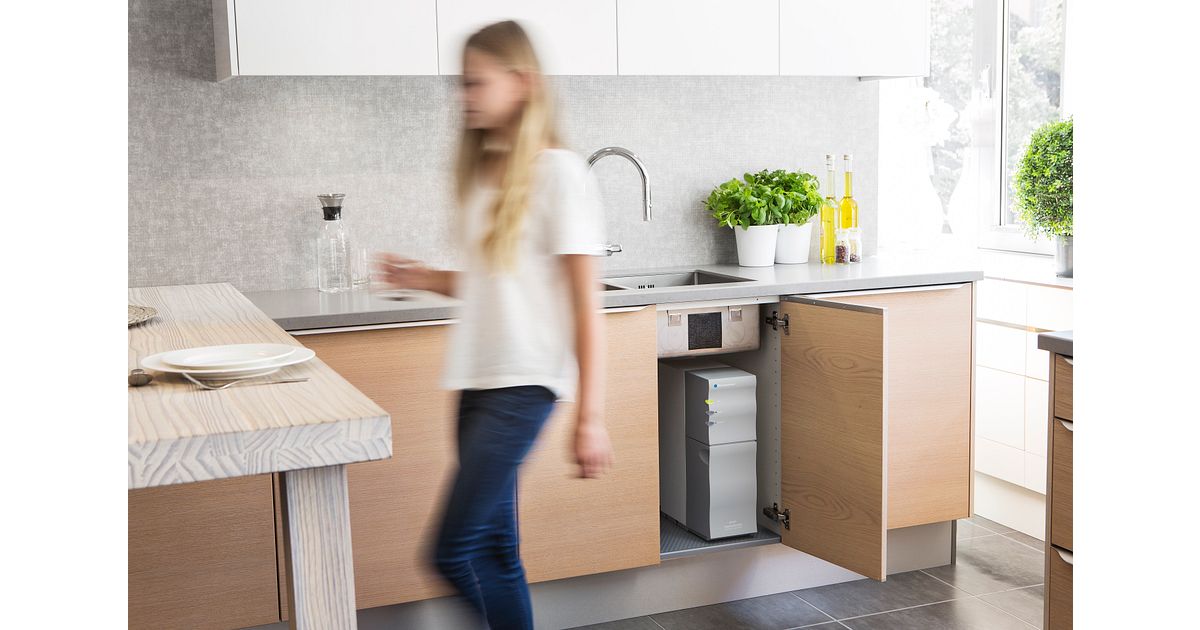

Bluewater under-sink water purifiers remove up to 99.9% of microplastics from tap water according to verified testing.
Press release—16 August 2026 08:58
Mounting evidence of microplastics’ health dangers fuels an urgent global appeal for action
Cutting-edge research from Case Western Reserve reveals that higher microplastic pollution is linked to a greater prevalence of stroke, diabetes, and hypertension
STOCKHOLM, Sweden, August 17, 2026 — With scientific evidence mounting about the health risks of microplastics, Swedish water purification and beverage company Bluewater urges authorities and health authorities globally to respond with far greater urgency
The call follows new peer-reviewed research from Case Western Reserve University School of Medicine, published in npj Cardiovascular Health, which found that communities exposed to higher environmental concentrations of microplastics had higher rates of several chronic diseases. The researchers analyzed 709 coastal U.S. census tracts and adjusted their analysis for 154 demographic, socioeconomic and environmental elements. Areas with the highest microplastic concentrations had a 21% higher prevalence of stroke, 17% higher prevalence of diabetes and 10% higher prevalence of hypertension than areas with lower concentrations.
The researchers stress that the study identifies associations and does not prove that microplastics cause these diseases. But the findings add to a rapidly growing body of research investigating how tiny plastic particles may interact with the human body
“What is especially important is that we are no longer simply talking about microplastics as an environmental problem. Researchers are finding them in human tissues and investigating their possible links with important health conditions,” says Dr Ahmed Fawzy, Chief Scientist at the Bluewater Stockholm headquarters
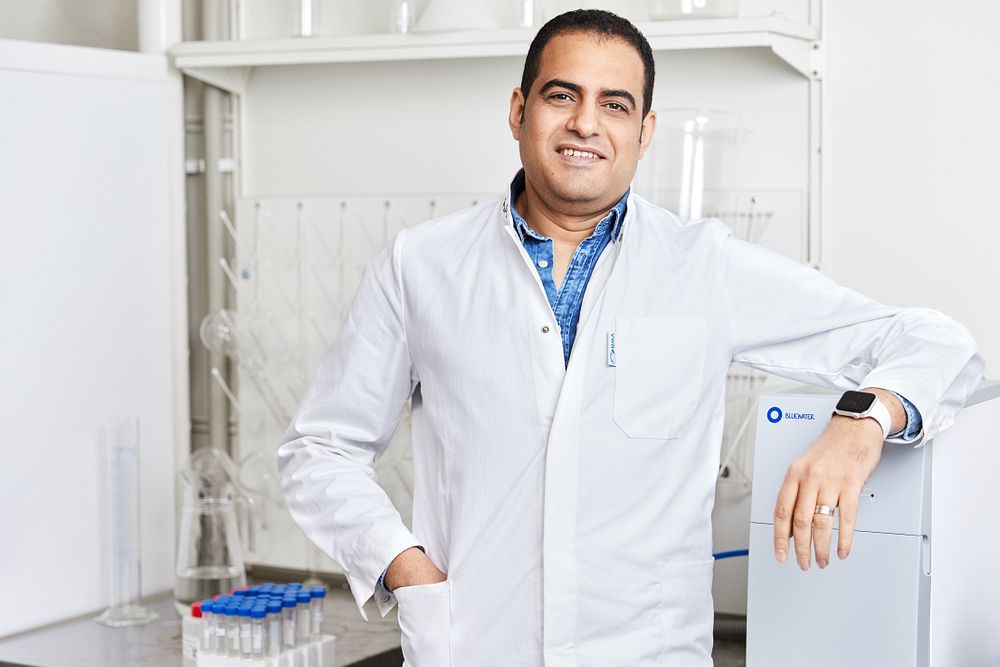
“In the Case Western Reserve study, the relationship also became stronger as environmental microplastic concentrations increased. That does not establish causation, but it is an important signal that deserves much more research and attention.”
Other recent research has raised similar concerns. A 2025 study published in Nature Medicinedetected micro- and nanoplastics in human brain, liver, and kidney tissue, with concentrations in brain tissue higher than in the other organs examined
Meanwhile, research published in the New England Journal of Medicine found micro- and nanoplastics in carotid artery plaque and reported an association between their presence and subsequent cardiovascular events. Again, the observational nature of the study means it cannot establish that the particles caused those outcomes
For Bluewater CEO and founder Bengt Rittri, the mounting evidence is a clear signal to act now, not later
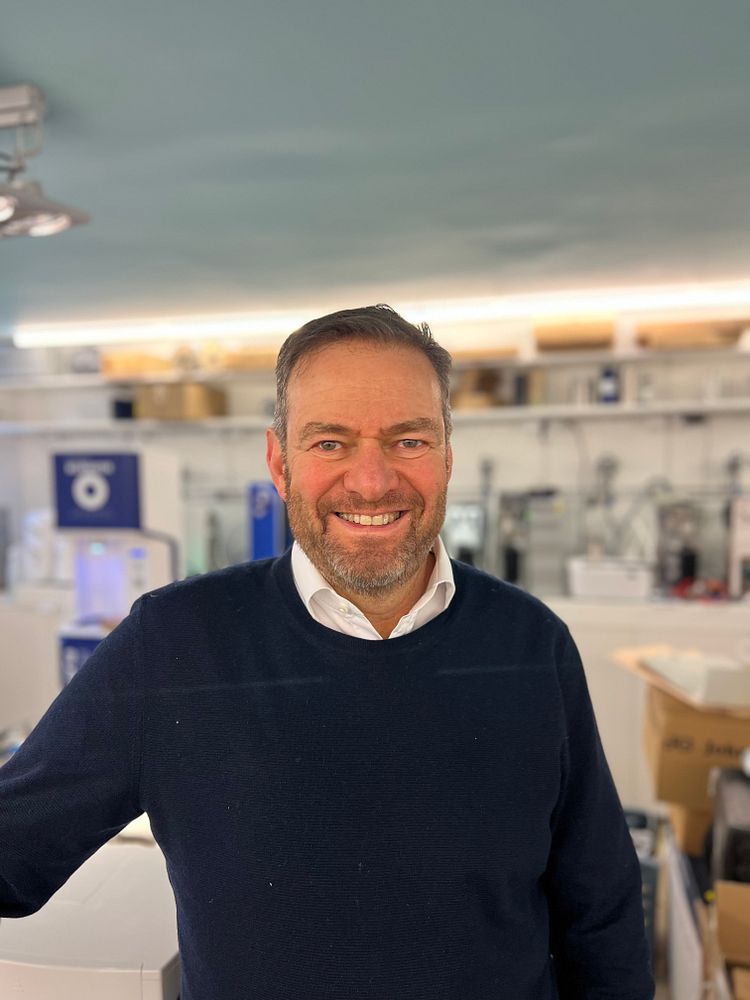
“We have spent years debating whether microplastics are a problem. The question now is how seriously we are prepared to respond,” says Rittri. “We don’t yet have all the answers about the long-term health impacts, but that is precisely why governments, health authorities and industry need to step up research and take practical measures to reduce exposure.”
“This is another appeal to act on the global microplastic crisis. Microplastics are everywhere, and we should not wait for a perfect scientific consensus before taking sensible steps to reduce unnecessary exposure. World authorities and health authorities need to treat this as a matter of real urgency.”
Bluewater says one practical step is reducing exposure through drinking water. Independent testing conducted for Bluewater and verified by Eurofins found that its water purification technology can remove up to 99.99% of tested microplastic particles from contaminated drinking water. The testing examined four common plastics — polyethylene (PE), polypropylene (PP), polystyrene (PS) and PVC
“We cannot eliminate everywater we drink,” adds Rittri. “We aim to make purified, great-tasting water a simple part of everyday life – at home, at work, in hospitality, at the gym and wherever people need healthy hydration.”
For more information, contact press spokesman Dave Noble @ david.noble@bluewatergroup.com
Founded 2013 in Stockholm, Sweden, Bluewater has set its sights on being the world’s most planet-friendly water purification and beverage company by innovating and marketing disruptive hydration solutions for home, work, and play. Bluewater products are available globally to consumers, hotel and catering operations, event and venue organizations, and educational institutions. www.bluewatergroup.com[IG1]