


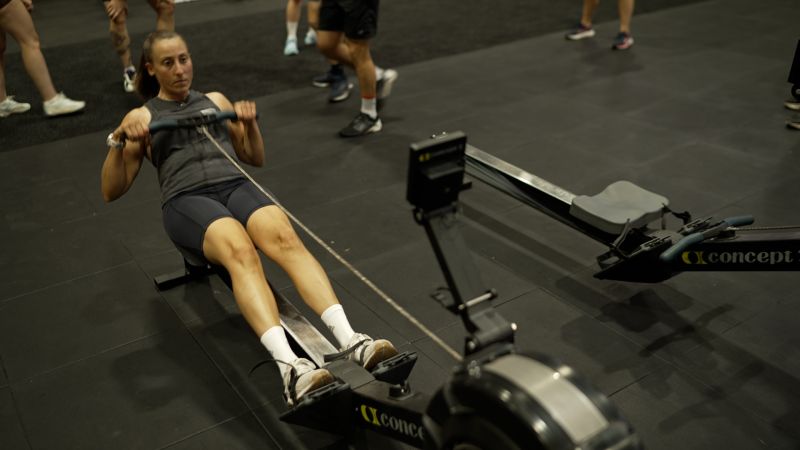
What is British Army Warrior Fitness (BAWF), and why do those who do it say it offers soldiers a much better way to get fit and avoid frontline injuries than other forms of exercise?
Right across the global fitness landscape, both military and civilian, there is a far greater emphasis on getting maximum results from each movement, workout and class, than ever before
Whereas some historic notions of soldiers training have typically involved the likes of press-ups in a bland gymnasium, or cadences through camp (personnel jogging in sync while performing chants, gaining more fame in Hollywood films), many of today’s Armed Forces personnel expect more individually relevant exercise opportunities, particularly in class-based sessions
- Smiles on the slopes as Duchess of Edinburgh becomes royal patron of Armed Forces Para-Snowsport Team
- Breakout years pay off as UK Armed Forces duo earn England international call-up
- From fighter jets to sleds: RAF engineers use 3D tech to supercharge Olympic skeleton racer
BAWF tests soldiers’ strength, stamina and aerobic capabilities – it is essentially the forces’ answer to CrossFit, which involves functional exercise like weightlifting, gymnastics and cardio in a team environment
At Larkhill Garrison, Army personnel have been enjoying a brand-new gym, partly influenced by NFL-style functional spaces, fitted with the likes of ergonomic machines designed to put load through the entire body
WO2 Marc Cook, UAS Test Specialist, who runs BAWF sessions on camp, told BFBS: “Typically, we’ve seen loads of lower backs, knee injuries, rolling ankles. This stuff is all to do with strengthening those joints and those major muscle groups
“We’ve definitely seen, whilst this is coming in, a lot more people being stronger under load because of these movements. The science is there, the facts are there. We’re seeing stronger soldiers.”
Some of those injuries, he explained, have been a result of stepping off Chinook helicopters, or into Land Rover vehicles, in awkward or incorrect positions
WO2 Aaron Hatt, who mentioned the importance of encouraging younger personnel to take part, added: “This actually prepares you for operations. It’s a golden thread from the gym floor to the battlespace
“That strength and conditioning mentally and physically prepares you for those arduous moments when you’ve got to dig in deep.”
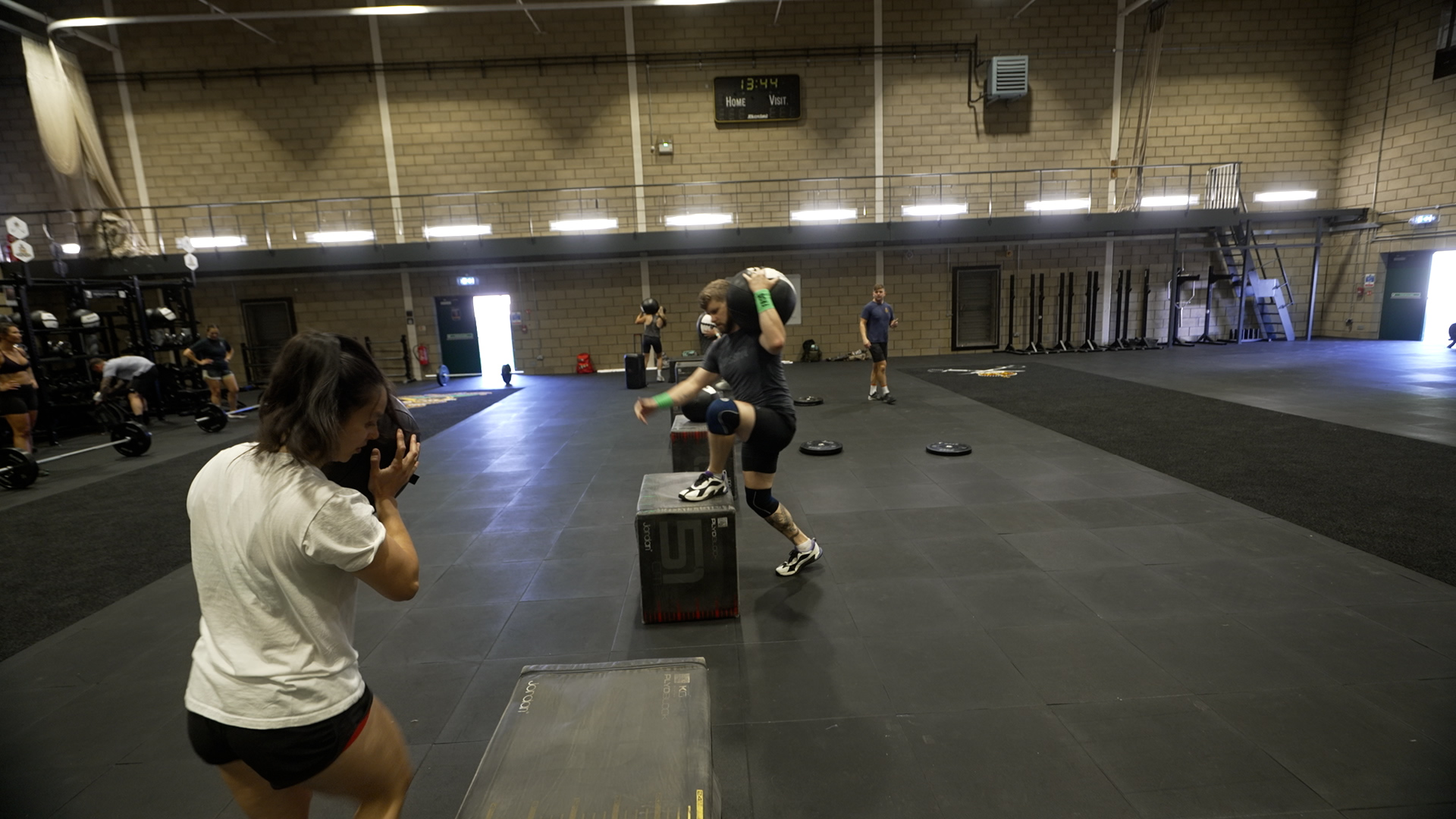
MOD data, published in 2025, showed around 10% of serving personnel were not medically deployable. Nearly half of those were suffering from some form of injury
It might be easy to assume that our world of increasing information and digital access to opportunities, is purely a good thing for those looking to get into organised exercise
RAF reservist medical officer, Squadron Leader Sophie Foxen warned against the perils of social media and says, just as personnel need to tailor exercise plans to their own needs, it’s also important to tell the difference between good and bad advice online
She told BFBS: “There are a lot of content creators who are putting information out there because they think it’s controversial, or they find it interesting, but perhaps it’s not quite relevant for you, or it’s potentially even completely incorrect
“I would recommend trying to follow people you know to be credible, and they’re providing references for the information they’re giving, for example following NHS dieticians or NHS doctors, because their job’s on the line if they provide wrong information as well
“Non-expert creators can put anything out there.”
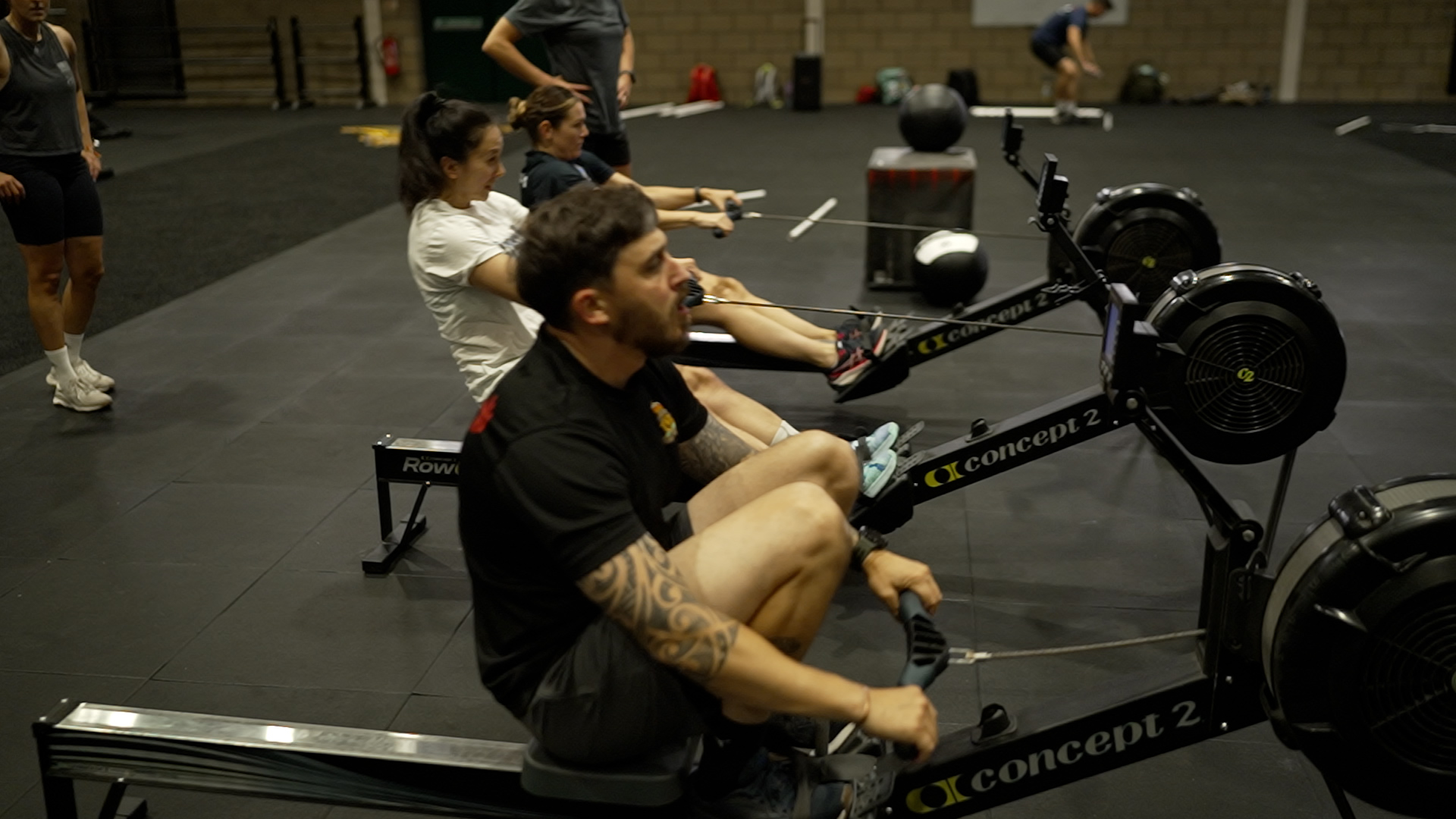
Sergeant Chloe Statham, who is very active on the competitive side of BAWF and runs tournaments alongside members of the emergency services, told BFBS: “I think we’ve come a long way from the old school gyms to the incredible fitness suites that we have now… it’s not all just about throwing a bergen on your back and going for a run anymore
“That strength and conditioning side, so much research has gone into how important it is.”
There is plenty of hope the accessibility and social aspects of BAWF can help it to play an even bigger role in military life
Sgt Statham added: “I think it’s nice to have that fitness away from PT, because PT can be a little bit daunting for some people and this takes away that. There’s no pressure at all, it’s all about having fun, moving well and having a good time.”
Related topics
- Sport
