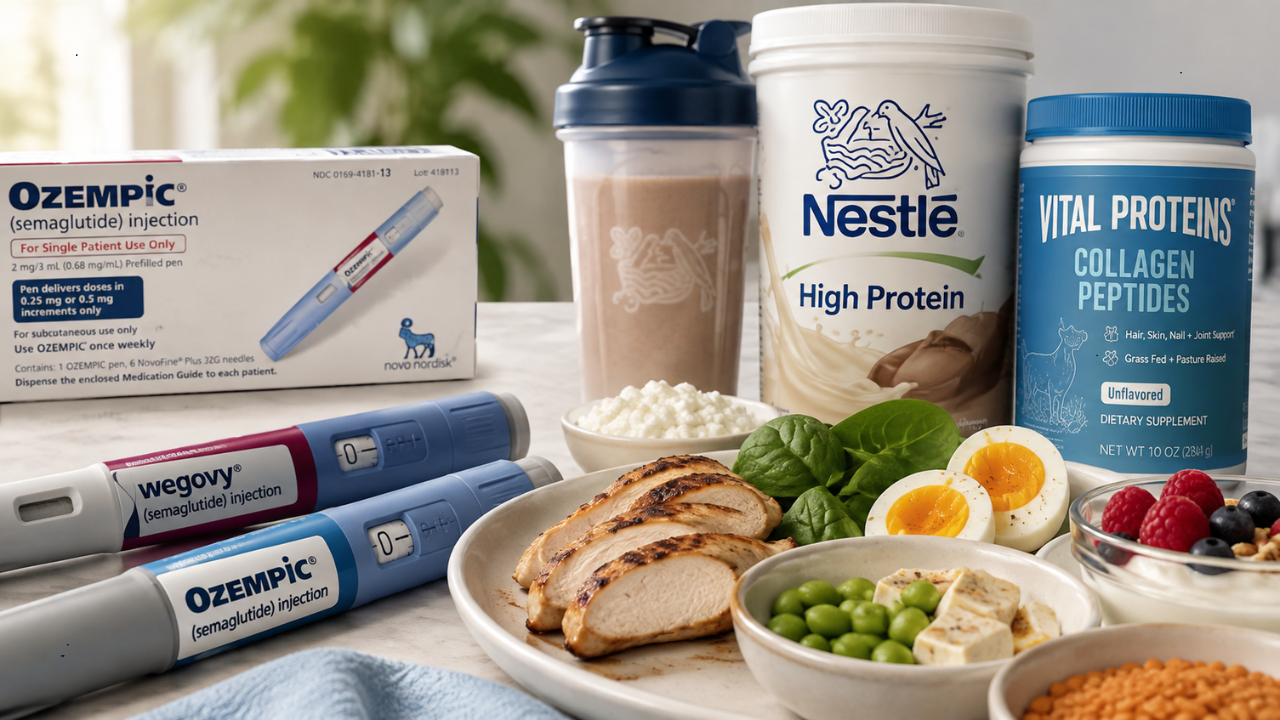
Amid increasing uptake of GLP-1 weight-loss drugs such as Ozempic and Wegovy, FMCG major Nestlé has realigned its nutritional drinks to meet the changing nutritional needs of users.The company has announced plans to roll out new protein drinks designed for people taking GLP-1 weight-loss medications such as Ozempic and Wegovy in the US, Asia and Australia. Since these drugs curb appetite and can contribute to issues such as muscle loss and “Ozempic face,” Nestlé wants to help users stay healthy while their eating habits change, Reuters reported. To better understand their nutritional needs, Nestlé is using AI to study clinical research and real-world consumer needs. It is also expanding its high-protein offerings to support muscle health, along with collagen-added products in its Vital Proteins line for skin and hair. What Are the Protein and Nutrition Needs of GLP-1 Users?Also read: World Prediabetes Day: Can ‘Food Noise’ Affect Blood Sugar And Weight?The number of people using GLP-1 drugs is growing rapidly, with about 16 million Americans currently taking the medications for weight loss. Globally, use remains much smaller than the potential eligible population, with access and affordability still major barriers. But do GLP-1 users need more protein?Dr. Navin Gnanasekaran, Longevity Physician, Apollo Hospitals, told HealthandMe that for individuals on GLP-1 receptor agonists, rapid weight loss can lead to a significant reduction in both fat and lean muscle mass. Alarmingly, up to 30-40% of the total weight lost can be muscle.“Prioritizing protein intake and structured resistance training is absolutely critical to counteract this muscle depletion,” he said.How Much Protein Do GLP-1 Users Need?Read More:GLP-1 Weight Loss Drugs Ozempic, Wegovy, Mounjaro Tied To Over 60 Reported Deaths In AustraliaDr. Navin said that a daily intake of at least 1.0 to 1.5 grams of high-quality protein per kilogram of body weight is recommended. Lean meats, eggs, dairy and plant-based proteins can help meet these needs.He also recommended strength training to preserve muscle tissue. Together, adequate protein and resistance training can help support muscle mass and maintain the basal metabolic rate (BMR), which may help prevent weight regain.Dr. Praveen Gupta, Chairman, Marengo Asia International Institute of Neuro and Spine (MAIINS), Marengo Asia Hospitals, told HealthandMe that a large number of people in India eat vegetarian diets that are already low in B12, iron and vitamin D. These nutritional gaps can quietly widen when food intake is reduced with GLP-1 drugs.For people following vegetarian diets, familiar kitchen staples such as paneer, dal, soya chunks, hung curd, sprouts and eggs, spread across the day, can help meet protein targets without animal meat.How Do GLP-1 Drugs Work?Dr. Praveen said these drugs work by slowing digestion and dialing down “food noise” — the constant mental chatter around eating — which naturally cuts how much a person consumes, sometimes by half.GLP-1 receptors are located not just in the gut but throughout the central nervous system, including regions such as the hypothalamus and hippocampus that receive direct input from GLP-1-producing neurons in the hindbrain. This is part of why appetite suppression can be so powerful: the drugs act on the brain’s hunger circuitry, in addition to slowing digestion.Do GLP-1 Drugs Increase the Risk of Nutritional Deficiencies? The overall appetite suppression caused by these medications can increase the risk of vitamin deficiencies. Constipation is also a common GLP-1 side effect due to decreased dietary fiber intake.Good hydration, planned nutrient-dense meals and adequate fiber can help offset these effects.Routine monitoring of essential micronutrients, particularly vitamin D, B12 and iron, is highly advised to ensure patients achieve sustainable, healthy weight loss without compromising their long-term nutritional well-being.Why Protein MattersReduced food intake: Appetite suppression from GLP-1 drugs can create nutritional gaps, with potential neurological consequences.Vitamin B12: Deficiency can cause irreversible nerve damage, including peripheral neuropathy and cognitive impairment.Warning signs: Unaddressed deficiencies can cause tingling, numbness, brain fog and unexplained fatigue.Muscle loss: A significant share of weight lost on GLP-1 medications can be lean muscle rather than fat if adequate protein intake and physical activity are not prioritised.Nutrition matters: Inadequate nutrition can affect both muscle and nerve tissue, making adequate protein and essential micronutrients important during weight loss.
Trending
- Healthy Aging Month webinar series offered in September
- Target 7: How lowering opioid overdoses left chronic pain patients behind
- Robert F. Kennedy Jr. visits Newton to relaunch Presidential Fitness Test
- Pangi’s age-old diet offers clues to healthier eating
- Public health in Iowa is on the ropes
- Finland Wellbeing Tourism Shifts to Lakeland Sauna and…
- Nacogdoches woman charged after children found living in unsafe conditions
- RFK Jr. touts presidential fitness test during stop in Iowa
Monday, August 17
Nestlé Customizes Drinks For Ozempic, Wegovy Consumers: What Are Protein And Nutrition Needs of GLP
 By healthylife7