


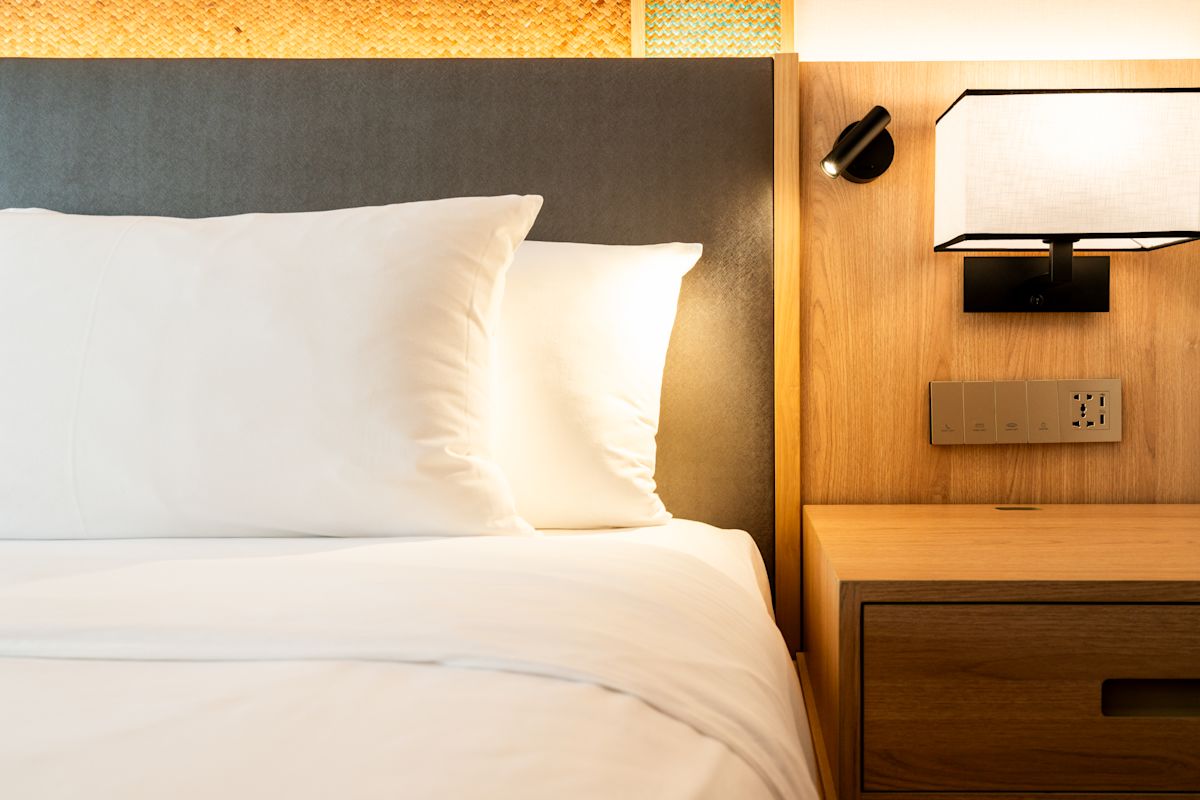
If you travel a lot as I do, you know the feeling of collapsing into a hotel bed for a luxurious night of sleep. Especially after a packed or otherwise stressful day, there’s nothing like it
Sure, hotel mattresses are often comfortable — especially in the five-star properties I cover in the course of my job as a travel and lifestyle writer. (I even bought a Four Seasons bed for my own home to recreate the experience, and it’s a dream!) The ultra-blackout curtains definitely help. But according to sleep experts, one major reason hotel sleep feels so incredible has nothing to do with the bed itself
In fact, it’s the humble thermostat that may be the most underrated sleep tool in your entire bedroom
Advertisement
Aaron M. Fuhrman, founder and CEO of Sleeplay, says hotel rooms are intentionally kept within a temperature range that supports the body’s natural sleep cycle — something many people accidentally sabotage at home
The “hotel sleep” effect is largely about temperature
“People tend to assume hotel sleep comes from better mattresses or simply being away from home,” Fuhrman says. “But temperature is doing a lot of the heavy lifting.”
Here’s the science behind it: As your body prepares for sleep, your core temperature naturally drops. This cooling process signals to the brain that it’s time to rest
If your bedroom is too warm, that signal can get disrupted — which makes it harder to fall asleep and stay asleep
Advertisement
According to the Cleveland Clinic, the ideal sleep temperature for most people falls between 60 and 67 degrees Fahrenheit (15 to 19 degrees Celcius). Conveniently, that’s also the range many hotels maintain in guest rooms
“You’re essentially giving your biology a helping hand,” Fuhrman explains
Cooler rooms lead to deeper sleep
Temperature doesn’t just affect how quickly you fall asleep — it also influences the quality of your sleep once you’re out
Cooler rooms help your body spend more time in deep sleep stages, which are responsible for important functions like tissue repair, memory consolidation, and hormone regulation
Warm environments, on the other hand, can pull you out of those deeper stages without you even realizing it. They can also lead to more tossing and turning
Advertisement
“When the body overheats, it moves in an attempt to shed warmth,” Fuhrman says. “A cooler room reduces that restlessness significantly.”
In other words, some people who think they’re “light sleepers” might actually just be sleeping in a room that’s too warm
Temperature control in hotels doesn’t stop with the thermostat. Layered bedding — sheets, blankets, and duvets — also plays a role in the famous “hotel sleep” formula
This setup lets guests regulate their own comfort level during the night without fully waking up
“The combination of a cool room and layered bedding is what makes the hotel formula work so well,” Fuhrman says. “You’re not locked into one temperature. You can adjust easily.”
How to recreate hotel sleep at home
You don’t need a five-star resort (or even its proprietary mattress, like I bought!) to sleep like you’re on vacation
Advertisement
Fuhrman says a few simple changes can help recreate the hotel effect in your own bedroom
1. Lower your thermostat before bed
Set the temperature to 60 to 67 degrees F about an hour before going to sleep so the room is already cool when you lie down
2. Choose breathable bedding
Natural materials like cotton and linen allow air to circulate, while synthetic fabrics can trap heat
3. Take a warm shower before bed
It sounds counterintuitive, but the rapid drop in body temperature after you step out of the shower mimics the body’s natural sleep signal
4. Skip heavy pajamas
Lightweight, breathable fabrics allow your body to regulate temperature more easily overnight. My absolute favorites — hands down — are the cooling pajamas from Cozy Earth. (Obsessed.)
5. Use a fan or cooling topper if needed
If central air isn’t an option, circulating air with a fan can help cool the room effectively
Advertisement
“You don’t have to completely overhaul your bedroom,” Fuhrman says. “Even one or two small changes can bring you noticeably closer to that hotel sleep experience
Want more stories like this? Follow me for relatable takes on travel, lifestyle, and pop culture

Alesandra Dubin Creator
Alesandra Dubin is a Los Angeles-based journalist specializing in luxury family travel. She also covers lifestyle and entertainment news, with 20+ years on related beats for top-tier media outlets.
Creators are not employed by Yahoo. Views expressed by creators do not reflect the opinions and position of Yahoo.Learn how to become a creator.
