


Thorsten Gohl: Put your own oxygen mask on first
Published 2:07 pm Monday, July 6, 2026
1/2
Swipe or click to see more
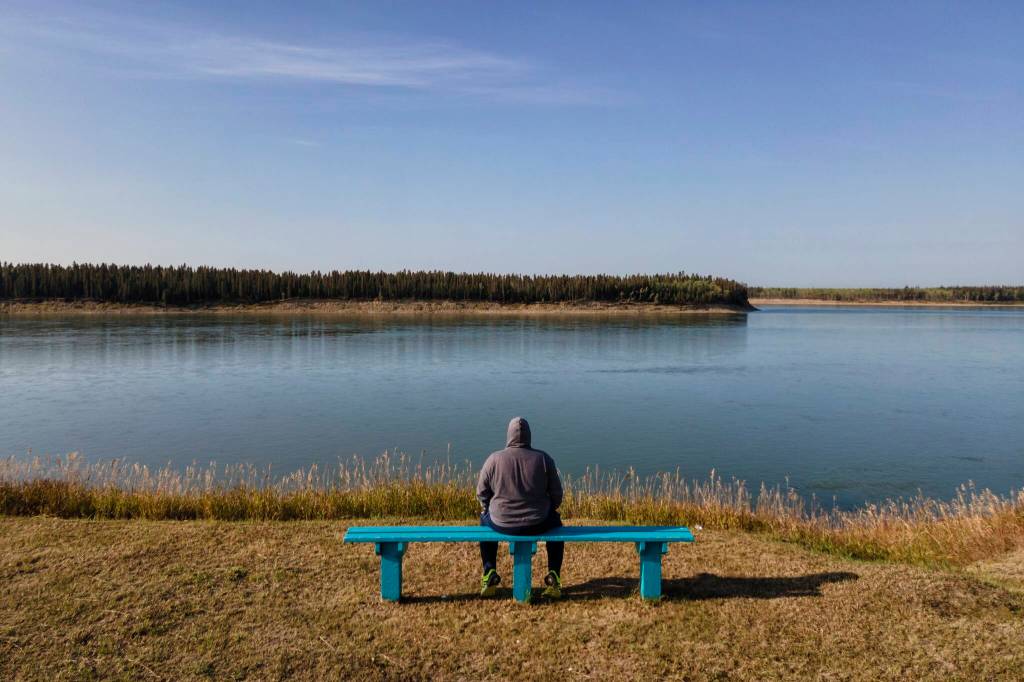
Self-care is not selfish. It is what allows us to continue showing up for the people who depend on us, writes columnist Thorsten Gohl. Photo courtesy of Thorsten Gohl
2/2
Swipe or click to see more
Thorsten Gohl is the co-ordinator of Physical Literacy NWT. Photo courtesy of Thorsten Gohl
Over the past few weeks, I have written about taking the first small step, celebrating small victories, and imagining what could happen when communities work together toward a common goal
Looking back, I realized there is one important piece missing from that journey: self-care. If we never take care of ourselves, eventually those small steps stop
There is a reason every airline tells passengers to put on their own oxygen mask before helping someone else. At first, it feels like strange advice. Our instinct is often to help others first. Parents want to help their children. Coaches want to help their athletes. Teachers want to help their students. Volunteers want to help their communities. But the reality is simple: if you cannot breathe, you cannot help anyone else
I wonder how often we forget that lesson in our everyday lives
Across the Northwest Territories, I meet incredible people every week. Teachers who coach after a full day in the classroom. Volunteers who spend evenings organizing tournaments. Parents who drive hundreds of kilometres so their children can participate in sport. Community leaders who quietly give their time because they believe young people deserve opportunities
Many of us spend so much time helping others become healthier, more confident, and more active that we sometimes forget to care for ourselves
Physical literacy reminds us that movement is a lifelong journey built on motivation, confidence, physical competence, knowledge, and understanding. Yet maintaining those qualities over a lifetime also requires something else
Rest. Recovery. Balance. Joy
Self-care is not selfish. It is what allows us to continue showing up for the people who depend on us. Sometimes self care means getting enough sleep. Sometimes it means drinking another glass of water instead of another cup of coffee. Sometimes it means taking a walk because it feels good, not because your watch tells you to. Sometimes it means laughing with friends, spending time in nature, reading a book, or simply giving yourself permission to slow down. These moments are not taking us away from physical literacy, they are part of it.
Just as we build confidence through small successes, we also build resilience through small acts of self care. One good night’s sleep. One walk around the block. One quiet moment outside. One conversation with someone who makes us smile. Those small choices help us continue making the bigger ones
Perhaps one of the greatest lessons we can teach our children is not simply to be active. Perhaps it is to show them that taking care of ourselves is part of living an active, healthy life. When young people see adults who value movement, rest, relationships, and wellbeing, they learn that health is about much more than exercise
So this week’s challenge is a little different. Don’t add another task to your to do list. Instead, ask yourself one simple question: what is one small thing I can do today to take better care of myself?
Maybe it is a walk. Maybe it is stretching. Maybe it is spending a few extra minutes with your children or grandchildren. Maybe it is watching the sunset. Maybe it is simply going to bed a little earlier tonight. Whatever your answer is, remember this
Taking care of yourself is not stepping away from your physical literacy journey, it is how you stay on it
—Thorsten Gohl is the co-ordinator of Physical Literacy NWT
