


HEALTH & FITNESS
How to Become a Personal Trainer Online:NCCA Accreditation, Cost and Salary
By Mr Scott Purcell, CFA – News
Readtime: 9 min
Every product is carefully selected by our editors and experts. If you buy from a link, we may earn a commission. Learn more. For more information on how we test products, click here
Working out how to become a personal trainer online comes down to one decision: which certification you sit. The credential employers screen for is an (National Commission for Certifying Agencies) NCCA accredited one, and IPTA – International Personal Trainer Academy has a Certified Personal Trainer program that carries that accreditation and runs entirely online. This guide covers what the job actually requires, what it pays in the US, the five steps to qualify, and where IPTA fits
Start the IPTA NCCA Accredited CPT
What You Need to Become a Personal Trainer
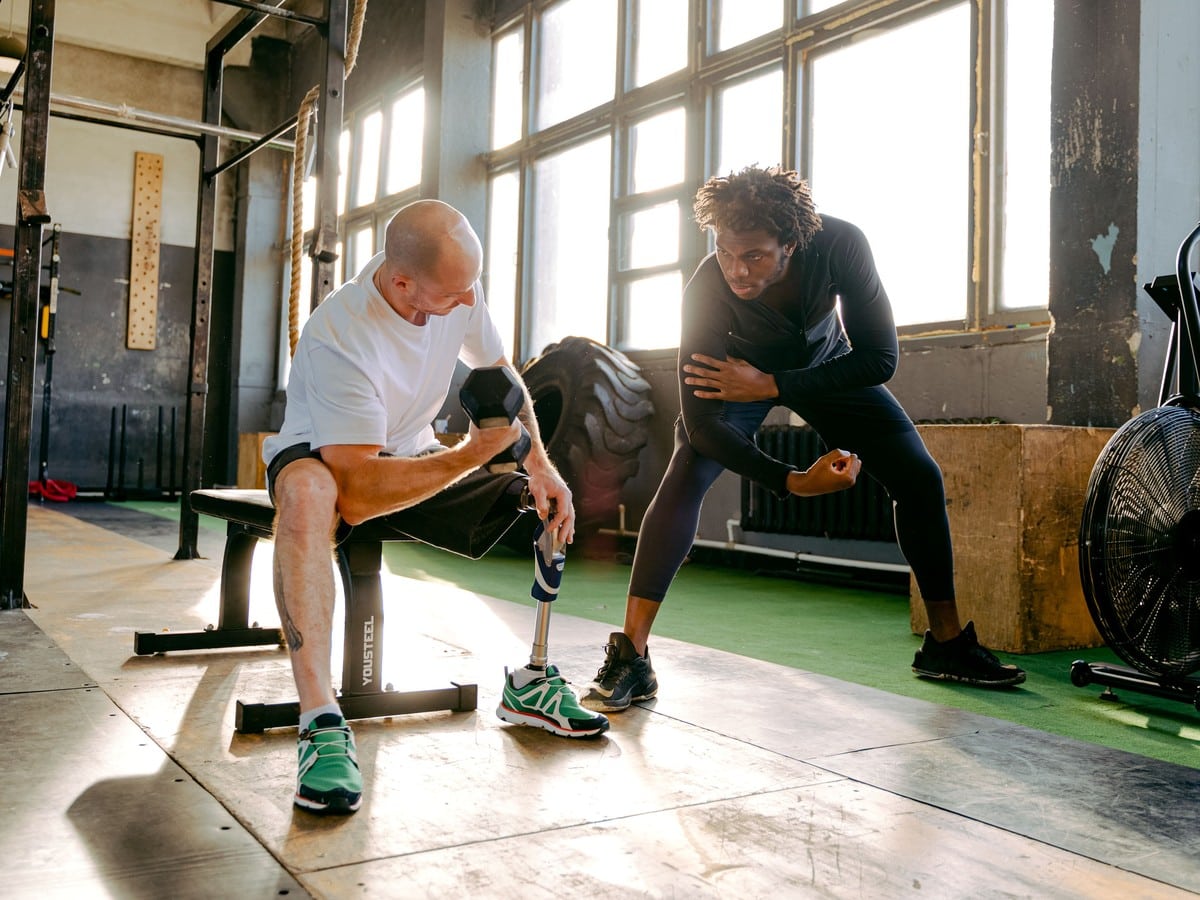
The formal bar is lower than most people assume. The US Bureau of Labor Statistics lists the typical entry-level education for fitness trainers and instructors as a high school diploma or equivalent, with no prior work experience required. What it does say is blunt: “Personal trainers usually must be certified before they begin working with clients or with members of a gym or health club.”
So the certification is the job requirement, and everything else is preparation. Most trainers also need a current CPR and AED certificate, because the Bureau notes those are expected alongside the training credential. Practical knowledge helps you keep clients once you’ve got them, and if you’ve already spent years fixing the mistakes most people make at the gym or reading up on how much protein a client actually needs each day, you’re further along than you think
Why NCCA Accreditation Decides Who Gets Hired
NCCA stands for the National Commission for Certifying Agencies, part of the Institute for Credentialing Excellence. It doesn’t teach anyone anything. It audits the organisations that issue credentials, checking that an exam is built, scored and maintained to a published standard. Large gym chains use that accreditation as a filter because it’s the one signal that separates a real credential from a certificate a company printed for itself
This is the distinction worth getting right before you pay anyone. Some companies sell study material that prepares you for someone else’s accredited exam. Others issue their own accredited credential. IPTA does both, and its own Certified Personal Trainer program is listed in the NCCA accredited program directory under International Personal Trainer Academy, accredited through 30 November 2029. You can check the IPTA certification details yourself, then verify the listing independently, which is exactly what you should do with any provider.
How to Become a Personal Trainer Online in 5 Steps
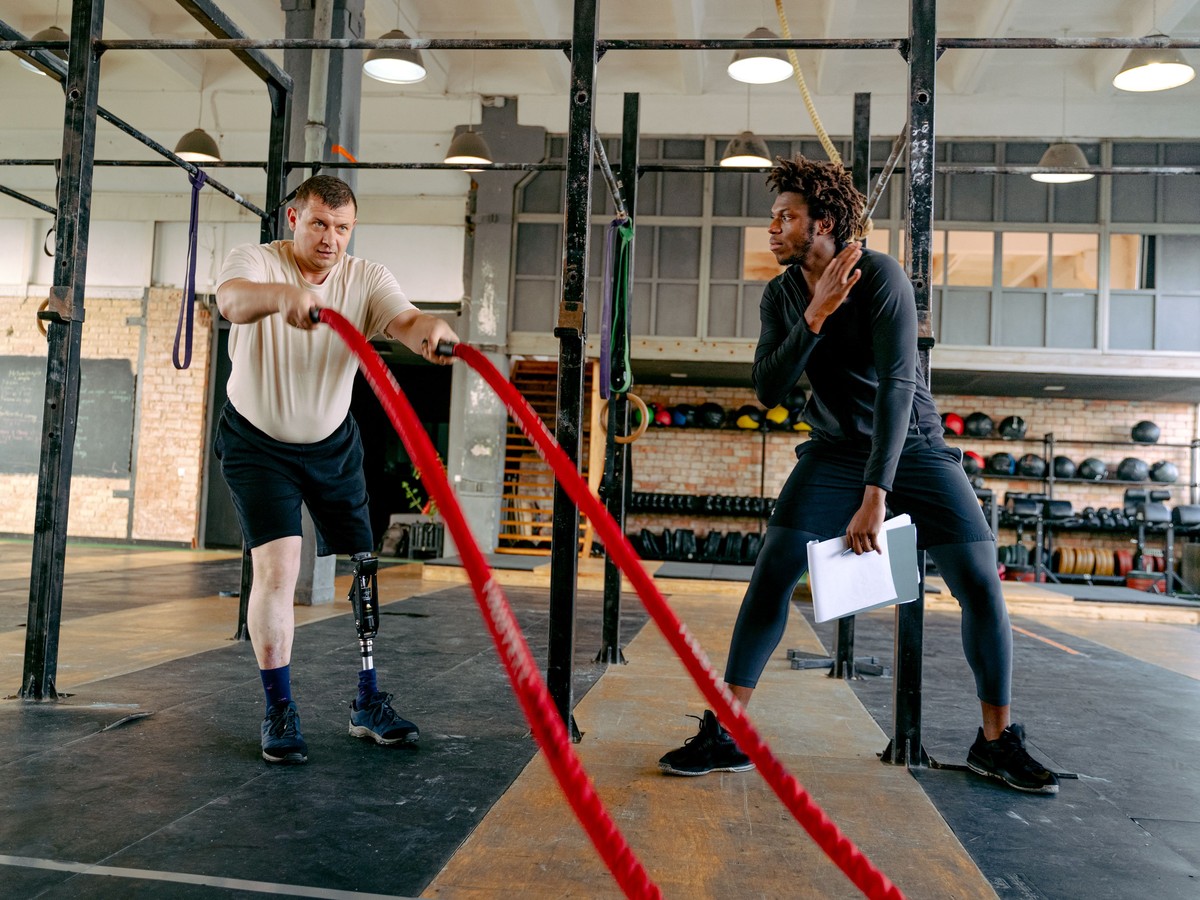
The sequence is the same wherever you study. Only the provider and the timeline change
- Choose an NCCA accredited certification. Check the provider against the NCCA directory before you pay. If the credential isn’t listed, you’re buying exam prep, not a qualification.
- Get your CPR and AED certificate. Nearly every employer asks for it, and some certification bodies won’t release your credential without one. IPTA includes online CPR and AED certification with its packages.
- Work through the course material. Expect anatomy, exercise physiology, program design, assessment and client behaviour change. IPTA says its Fast-Track Study System is built to cut study time roughly in half.
- Sit and pass the exam. Online proctored exams are now standard. Check the retake policy before you enrol, because a failed exam at a provider that charges per attempt gets expensive fast. IPTA offers unlimited exam retakes.
- Get insured and start taking clients. Liability insurance, a booking system and a simple website are the practical minimum. Whether you work a gym floor, train clients privately or coach online decides what you charge.
You don’t need a facility full of equipment to start. Plenty of trainers build their first client list running sessions out of a minimalist home gym or programming no-equipment home workouts for online clients before they ever rent a space
The IPTA Personal Trainer Certification, Explained
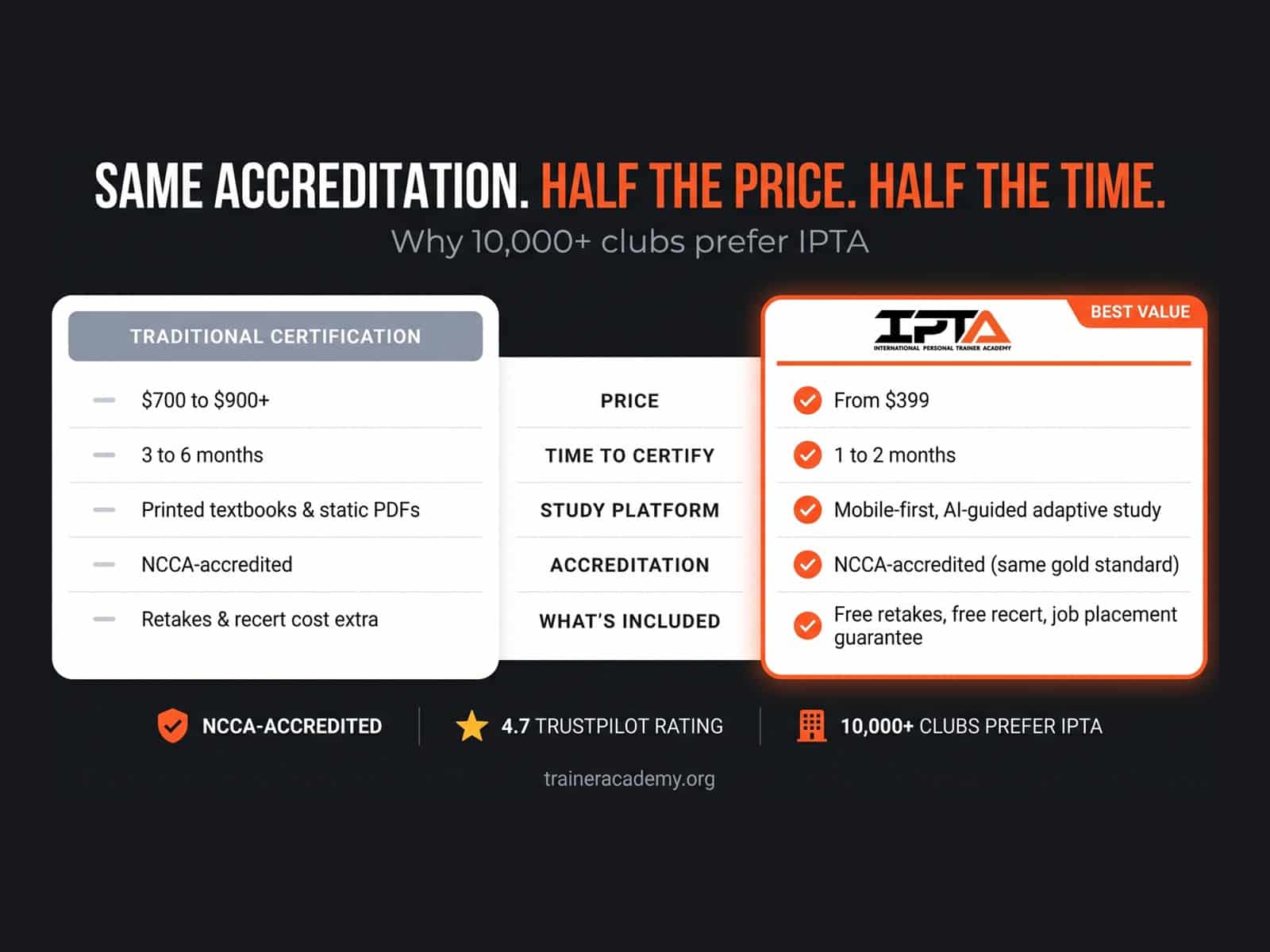
IPTA started out selling third-party study material for other bodies’ exams, and now issues its own NCCA accredited Certified Personal Trainer credential. The pitch is that you get the same accreditation as the established names for less money and in less time: the company advertises the NCCA accredited CPT from US$399, or from US$1 down on an instalment plan with 0% interest and no credit check, completed online in as little as 8 to 12 weeks
The guarantees are where it differs most from the field, and they’re worth reading closely rather than skimming. The Job Assurance Guarantee is not a placement service. IPTA’s own terms say that if you finish the CPT, pass the exam and apply to three relevant employers within six months without receiving an offer, the company reimburses you. That’s a refund promise, not a job offer, and some inclusions below sit in the higher MVP package rather than the entry tier
- Credential: Certified Personal Trainer (CPT), NCCA accredited through 30 November 2029
- Price: from US$399, or from US$1 down on a 0% interest instalment plan
- Time to certify: IPTA advertises as little as 8 to 12 weeks, studied and examined online
- Exam policy: unlimited retakes plus an exam pass guarantee
- Included: full textbook, online CPR and AED certification, free first recertification
- After you pass: Job Assurance Guarantee, a reimbursement if three applications in six months yield no offer
The free textbook is real but promotional. IPTA describes it as a limited-time offer available when you start a trial, against the US$100 to US$200 most bodies charge per book, so check it still applies at checkout
What Personal Trainers Actually Earn
This is the number worth knowing before you spend anything. In the US, the median annual wage for fitness trainers and instructors was US$46,180 in May 2024, or US$22.20 an hour. The spread is wide: the lowest 10% earned under US$27,580, while the highest 10% earned more than US$82,050. Where you land depends far more on whether you build a private client list than on which certification you hold
The direction of travel is good. The Bureau counted 370,100 fitness trainer and instructor jobs in 2024 and projects employment to grow 12% from 2024 to 2034, which it calls much faster than the average for all occupations. That works out at about 74,200 openings a year across the decade, and roughly 44,100 more jobs by 2034
It’s also worth being honest about the shape of the work. The Bureau notes many trainers work variable or part-time schedules including nights and weekends. Early mornings and 7pm sessions are the job, not an unlucky roster. Staying current on what clients ask about, from Zone 2 training to whether creatine is worth taking, is what turns a first client into a full book
Is an Online Personal Trainer Certification Worth It?
If you want to work in a commercial gym, you need a certification, so the real question is which one and at what price. An accredited credential from a cheaper provider clears the same hiring filter as an expensive one, which is the whole argument for looking past the established names. What it won’t do is hand you clients, teach you to sell, or replace the years of gym-floor judgement that separate a good coach from a certified one
Two things to check before you commit anywhere. First, verify the accreditation yourself in the NCCA directory rather than trusting a badge on a homepage. Second, read the retake and recertification costs, because that’s where cheap certifications quietly become expensive ones. On both counts the IPTA program holds up, with a listed accreditation, unlimited retakes and a free first recertification
See the IPTA CPT Enrolment Options
How to Become a Personal Trainer Online FAQs
How do you become a personal trainer online?
Pick a personal trainer certification whose exam is NCCA accredited, study the course material, then sit the exam online. Most people also need a current CPR and AED certificate. IPTA says its NCCA accredited CPT can be finished in as little as 8 to 12 weeks
Do you need a degree to become a personal trainer?
No. The US Bureau of Labor Statistics lists the typical entry-level education for fitness trainers and instructors as a high school diploma or equivalent. The credential employers actually look for is the certification, not a degree
What does NCCA accreditation mean for a personal trainer certification?
It means the certifying body has met the National Commission for Certifying Agencies standards for how its exam is built and scored. IPTA’s Certified Personal Trainer credential appears in the NCCA directory, accredited through 30 November 2029
How much does an online personal trainer certification cost?
It varies by provider. IPTA lists its CPT from US$399, or from US$1 down on an instalment plan with 0% interest and no credit check. Bundles with its nutrition and bodybuilding coaching certifications are listed higher
How much do personal trainers earn?
In the US, the median annual wage for fitness trainers and instructors was US$46,180 in May 2024, according to the Bureau of Labor Statistics. The lowest 10% earned under US$27,580 and the highest 10% earned more than US$82,050
- Zone 2 Training Is Everywhere: Here’s What It Means for Your Workout Routine
- The Minimalist Home Gym: What You Actually Need (and What You Don’t)
- How to Build a Home Fitness Kit You’ll Actually Use
If the gym is already where you spend your best hours, the certification is the only thing standing between that and a pay cheque. An NCCA accredited credential is what employers screen for, and the IPTA CPT delivers it online, from US$399, with unlimited retakes behind it
