Close Menu
healthylife7.comhealthylife7.com

    Subscribe to Updates

    Get the latest creative news from FooBar about art, design and business.

    What's Hot

    How architecture practices can boost wellbeing in the summer

    August 20, 2026

    BioMarin acquires Alesta for rare bone disease drug

    August 20, 2026

    Meta hooked children on Facebook and Instagram, US court hears

    August 20, 2026
    Facebook X (Twitter) Instagram
    Trending
    • How architecture practices can boost wellbeing in the summer
    • BioMarin acquires Alesta for rare bone disease drug
    • Meta hooked children on Facebook and Instagram, US court hears
    • The 4-day week could be the next big obesity intervention
    • North Korea fires a suspected missile toward the sea, Japan says
    • How to reduce cholesterol naturally
    • [Video] [Galaxy Unpacked July 2026] Samsung Health Envisions Simpler, More Connected Care With AI
    • A new cookbook shows that for Chinatown’s aunties, self
    Facebook X (Twitter) Instagram
    healthylife7.comhealthylife7.com
    • Home
    • Fitness
    • Health
    • Nutrition
    • Lifestyle
    • Conditions
    • Mental Health
    • Weight Loss
    • Wellness Tips
    Thursday, August 20
    healthylife7.comhealthylife7.com
    Home»Wellness Tips»New study may change how we think about GLP-1s
    Wellness Tips

    New study may change how we think about GLP-1s

    healthylife7By healthylife7August 20, 2026No Comments4 Mins Read
    Facebook Twitter Pinterest LinkedIn Tumblr Reddit WhatsApp Email
    New study may change how we think about GLP-1s
    Share
    Facebook Twitter LinkedIn Pinterest WhatsApp Email

    For decades, obesity medications produced only modest weight loss. But in recent years, Ozempic and related GLP-1 therapies have transformed the field, enabling sustained weight loss of 10 to 15% or more. Despite their success, however, scientists have not fully understood how these drugs work in the brain

    Now, in a new study, Yale researchers have identified an unexpected mechanism of action that challenges a long-held assumption about the brain’s hunger circuitry: that agouti-related peptide (AgRP) neurons, known as drivers of hunger, functioned solely to oppose weight loss. However, the new study shows that GLP-1 therapies like Ozempic instead recruit these neurons to help sustain fat loss

    “This completely changes how we think about the mechanism involved in these medications and provides new insight into the biology underlying their long-term effects, opening an avenue for the development of more efficient drugs,” said Mateus d’Ávila, a Ph.D. candidate in neuroscience working in Tamas Horvath’s lab in the Department of Comparative Medicine at Yale School of Medicine (YSM) and first author of the study. 

    The study appears in the journal Proceedings of the National Academy of Sciences (PNAS). 

    Missing biology 

    Semaglutide, the active ingredient in GLP-1 drugs like Ozempic, has become one of the most effective medications ever developed for obesity. Yet we still don’t fully understand why it works so well. Previous generations of weight-loss drugs suppress appetite almost as effectively as semaglutide, but none produce the same degree of sustained weight loss. 

    For Yale researchers, that suggested semaglutide was doing something beyond simply reducing appetite. Before their study, one prevailing view was that GLP-1 drugs promote weight loss by reducing the activity of neurons that drive hunger. Although this hypothesis has been widely discussed, the role of AgRP neurons in weight loss during chronic GLP-1 treatment had not been directly tested in vivo

    In the new study, the researchers wanted to uncover that missing biology. By understanding how the brain adapts to treatment, they hoped to reveal new therapeutic targets that could eventually lead to even better obesity medications. For the study, they combined several complementary approaches in a mouse model and monitored body weight, food intake, metabolism, and energy expenditure during semaglutide treatment. They also used genetic methods that allowed them to selectively remove or silence AgRP hunger neurons, enabling them to determine whether those neurons were necessary for the drug’s effects. 

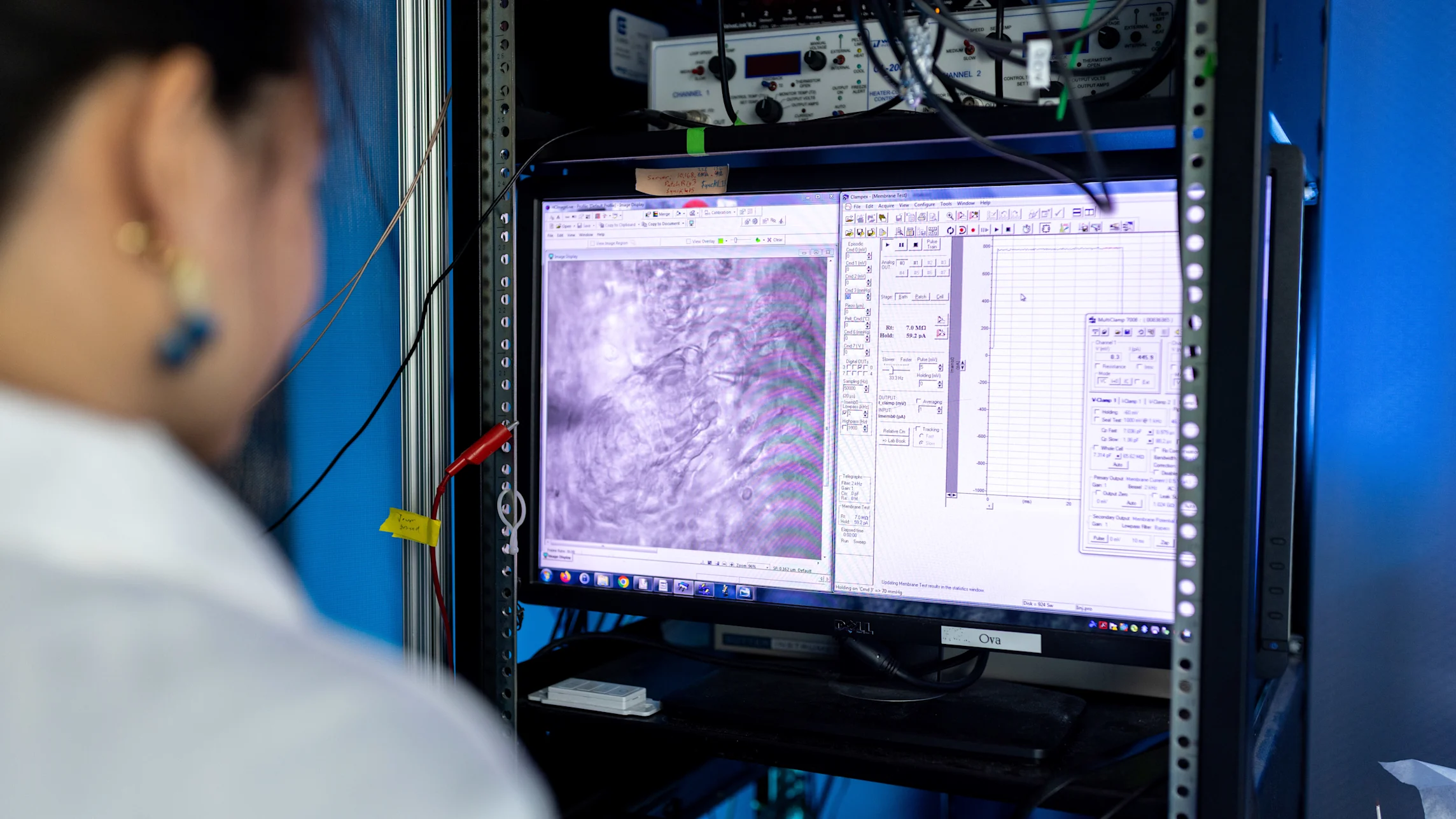
    When treating mice genetically modified to lack the AgRP neurons, the researchers observed that GLP-1 drugs could no longer sustain weight loss. Further experiments using electron microscopy, molecular biology, and electrophysiology showed that these AgRP neurons were being activated rather than inhibited by semaglutide

    Layer of complexity 

    These findings, researchers say, suggest that the brain adapts to the calorie deficit created by GLP-1 treatment by increasing the activity of these AgRP hunger neurons, which also coordinate loss of fat. This reveals a previously unrecognized layer of complexity in how GLP-1 therapies work

    Because the study was performed in mice, additional research is needed before these findings can be translated to people. However, understanding exactly how these medications work in the brain is an important step toward developing future obesity treatments. 

    “By identifying a previously unrecognized neural mechanism involved in sustaining weight loss, our work provides new biological insights that could eventually help researchers design therapies that are even more effective or have fewer side effects,” d’Ávila said. 

    Source: Yale University

    SkyBiometry. Image credit: Neurotechnology
    SkyBiometry Announces New Services to Design AI-Ready Infrastructure and Deliver Production-Ready AI SystemsFeatured Post


    • New Center Tackles the Wide Array of Intriguing, Adaptive Biology

      Today


    • Researchers Identify New Strategy to Protect the Brain in Type 1 Diabetes

      Yesterday


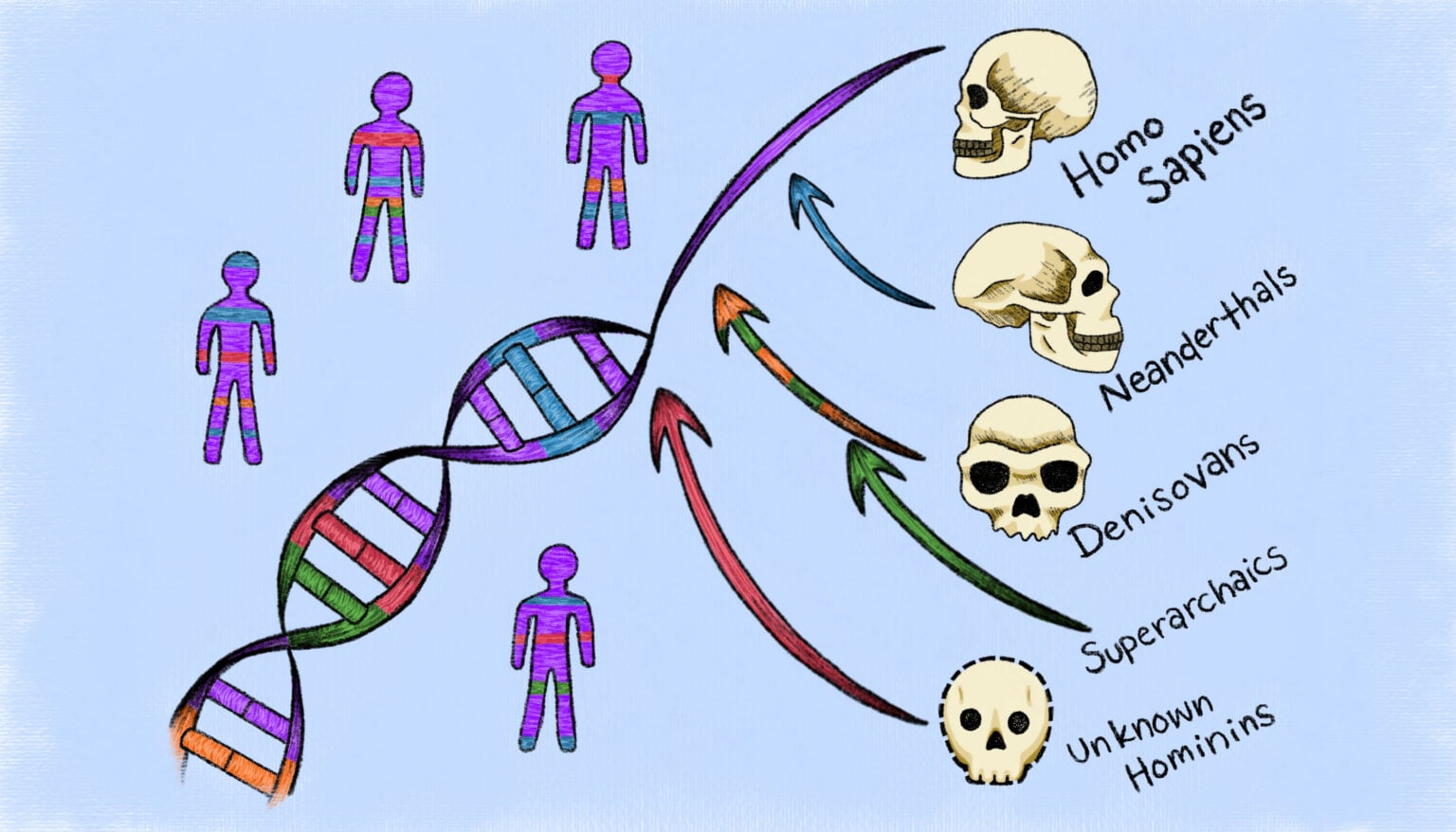
    • New technique pinpoints human DNA inherited from ‘ghost’ ancestors

      Yesterday


    • New insights on polyomaviruses could inform future approaches to prevention, treatment

      Yesterday


    • Physics-informed AI could accelerate development of controlled-release drug patches, bandages

      2 days ago

    More news about Life sciences


    • GeForce Now Adds Official Firefox Support at 1440p and 120fps

      Today


    • ChatGPT Adds a Separate Mode for Users Aged 13 to 17

      Today


    • Apple Leaks Camera-Equipped AirPods in a macOS Release Candidate

      Yesterday


    • Unitree Unveils ‘Superman’ Humanoid With a Two-Metre Standing Jump

      Yesterday


    • OpenAI Launches Ultrafast Mode: GPT-5.6 Sol Runs 14 Times Quicker

      Yesterday

    More news about Developments

    about change GLP1s Study Think
    healthylife7
    • Website

    Related Posts

    Study finds potato-heavy diets reshaped Indigenous Andean DNA for starch digestion

    August 20, 2026

    Remember The Titans Star Get Candid About His Battle With Addiction

    August 20, 2026

    Self-medication with GLP-1 receptor agonists among Brazilian Adults: findings from a web-based survey

    August 19, 2026
    Leave A Reply Cancel Reply

    Health
    Lifestyle

    How architecture practices can boost wellbeing in the summer

    By healthylife7August 20, 20260

    Walking meetings are just one way to take advantage of the warmer summer weather | Credit:

    BioMarin acquires Alesta for rare bone disease drug

    August 20, 2026

    Meta hooked children on Facebook and Instagram, US court hears

    August 20, 2026

    The 4-day week could be the next big obesity intervention

    August 20, 2026
    Stay In Touch
    • Facebook
    • Twitter
    • Pinterest
    • Instagram
    • YouTube
    • Vimeo
    Fitness

    Opinion: The FDA must put biotech at its center or continue to cede early research to China

    July 6, 2026

    Inside Elevance’s digital chronic disease management strategy

    July 6, 2026

    Best, Worst States For Well

    July 6, 2026

    What do the Middle Ages tell us about mental health then and now? VCU historian Leigh Ann Craig has answers

    July 6, 2026

    Subscribe to Updates

    Get the latest creative news from SmartMag about art & design.

    About Us

    Welcome to HealthyLife7.com, your trusted source for reliable health, wellness, fitness, and lifestyle information. Our mission is to help people make informed decisions about their health by providing clear, practical, and easy-to-understand content.

    At HealthyLife7.com, we believe that good health starts with the right knowledge. Whether you're looking for healthy eating tips, fitness advice, mental wellness strategies, weight management guidance, or information about common health conditions, our goal is to deliver valuable content that supports a healthier lifestyle.

    Fitness

    How architecture practices can boost wellbeing in the summer

    August 20, 2026

    BioMarin acquires Alesta for rare bone disease drug

    August 20, 2026

    Meta hooked children on Facebook and Instagram, US court hears

    August 20, 2026
    Health

    Opinion: The FDA must put biotech at its center or continue to cede early research to China

    July 6, 2026

    Inside Elevance’s digital chronic disease management strategy

    July 6, 2026

    Best, Worst States For Well

    July 6, 2026
    Facebook X (Twitter) Instagram Pinterest
    • About Us
    • Contact us
    • Disclaimer
    • Privacy Policy
    • Terms and Conditions
    © 2026 healthylife7.com. Designed by Pro.

    Type above and press Enter to search. Press Esc to cancel.