


Why Crops Are Becoming Less Nutritious | Civil Eats
Why Crops Are Becoming Less Nutritious | Civil Eats
Why Crops Are Becoming Less Nutritious
Rising CO2 is the likely culprit for fewer nutrients like zinc, protein, and iron in our food, but experts say more research is needed
August 20, 2026
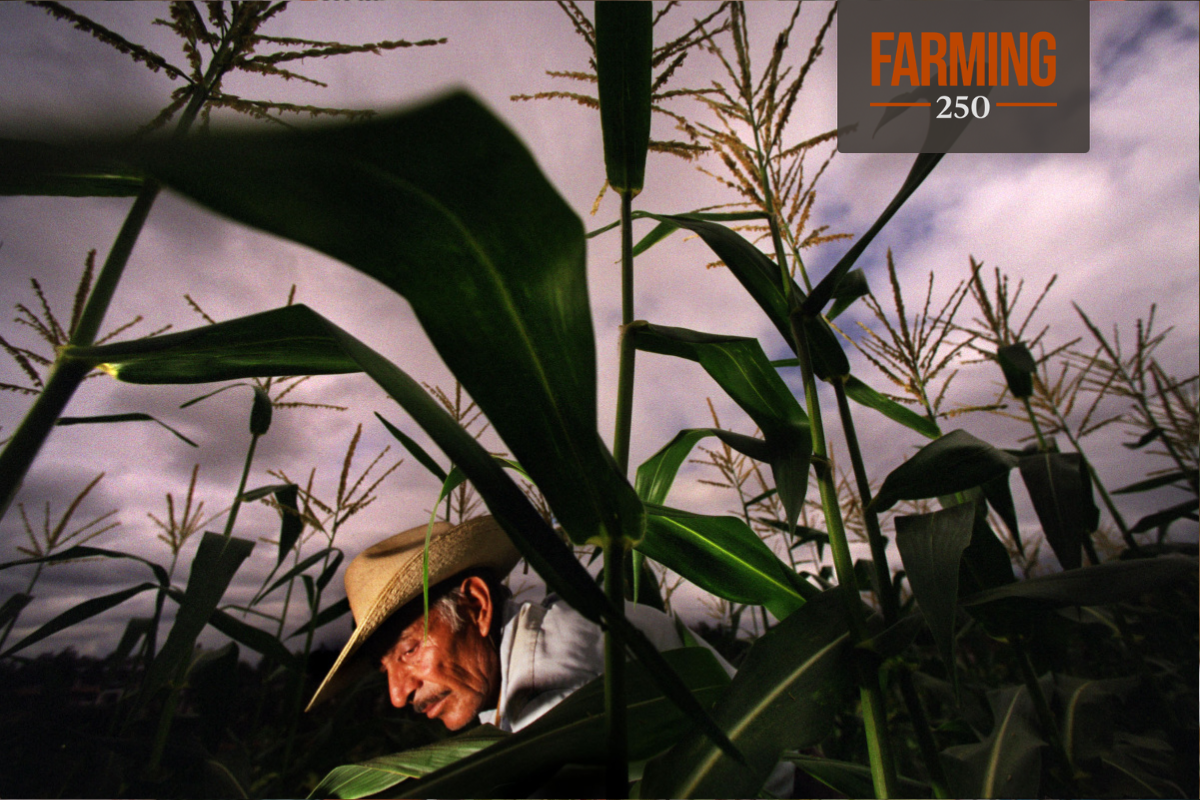
Juan Sanchez, 68, pulls suckers off sweet corn stocks under storm clouds at Sierra Farms in Yorba Linda, California. (Photo credit: Al Schaben/Los Angeles Times
Today, when farmers harvest common American crops like wheat, rice, and vegetables, the crops look like did 100 years ago. But research shows those same crops are losing their nutritional value. These are not, in other words, your grandparents chickpeas
Unlock the Full Story with a Civil Eats Membership
Expand your understanding of food systems as a Civil Eats member. Enjoy unlimited access to our groundbreaking reporting, engage with experts, and connect with a community of changemakers
One 2004 study that analyzed federal nutrient content data of fruits and vegetables found that nutrients like protein, calcium, iron, and more had declined since 1950 by as much as 38 percent. Since then, researchers have found that higher rates of carbon dioxide in the atmosphere have contributed to this trend—and the decline is expected to continue
Despite its far-reaching impacts, researchers note little is fully known about this trend
“This is an issue that will affect absolutely everybody,” said Kristie Ebi, a professor at the University of Washington’s Center for Health and the Global Environment. “And it will affect the poor and the marginalized the most.”
More Carbon, Fewer Nutrients
Since 1970, atmospheric CO2 has increased by 30 percent. Plants absorb the additional carbon and use it to produce certain nutrients, like lignin or vitamin E. But the soil surrounding the plant is not seeing a similar spike in carbon, phosphorus, calcium or other compounds needed to produce nutrients in the plant
Through this process, carbon acts as an aerial fertilizer helping plants grow, while the soil underneath is diluted of nutrients, explained Lewis Ziska, a plant biologist at Columbia University and a former researcher at the U.S. Department of Agriculture (USDA). This equates to more yields of crops that are less nutrient dense
For example, with more carbon in the atmosphere, rice plants can yield more grain, but the protein, zinc, and iron content in that grain declines
The trend is more critical on a global scale and in countries where food access and food security are a challenge. In the United States, there’s largely a high diversity of food options, and a variety of ways to get nutrients and vitamins
In 2018, researchers from the Harvard T.H. Chan School of Public Health looked at the diets of people from 150 countries and found that by 2050, an additional 175 million people globally could be zinc-deficient, and another 122 million could be protein deficient, assuming carbon levels in the atmosphere reach projections
Their study, published in Nature Climate Change, looked at projected nutrient declines, as CO2 in the atmosphere continues to climb over the next 50 to 60 years. By studying crops in controlled open field experiments, also known as free air carbon dioxide enrichment (FACE), researchers were able to quantify declines in key nutrients within those crops, explained Sam Myers, one of the authors of this study and a professor at Johns Hopkins University
The researchers then used a global database to estimate the per capita intake of 150 countries to understand nutrients available to people there. This helped them understand how much iron, for example, a 10-year-old from Mali was getting from a banana. This allowed researchers to better understand the impact of nutrient decline in specific regions
“We find that many people around the world rely on vegetalkely to suffer nutritional insufficiency in the coming decades as those food crops become nutritionally impoverished as a result of anthropogenic CO2 emissions,” the authors wrote
Several other studies have built on this idea to study nutrient decline in specific crops, like wheat and rice, which make up a large portion of global calories. One of the latest studies, published in November 2025, creates the largest meta-analysis of edible plants to date
The study, by researchers from Leiden University in the Netherlands, found that the majority of nutrients declined as carbon increases, which suggests overall crops are becoming less nutritious as these levels rise. The mean is a 3.2 percent decline for all nutrients, but is more pronounced in some crops and nutrients
For example, the study found a 37.5 percent decrease in zinc in chickpeas. There are also significant decreases in protein, zinc, and iron in crops like wheat and rice, which are staple crops and a primary
The trend toward lower nutritional quality and protein also comes as carbohydrates in the foods increase, Ebi said
“If people eat what they ate over the last couple decades going into the future, they’re just going to have more carbohydrates in their diet,” Ebi said. This has concerning implications for overall health, she said
More Than Carbon
Soil health is also considered a possible factor impacting crop nutrients in the U.S. Leaders of the Make America Healthy Again (MAHA) movement, including Health Secretary Robert F. Kennedy Jr., have embraced the idea that soil health can influence human health, and they have also promoted regenerative farming practices
But this idea is not embraced across all scientific researchers. While Myers said he supports organic agriculture, there is insufficient data to prove a link between these practices, soil, and nutrients. At the global scale, where food security remains a concern for many countries, higher yields are still more important, he said
In the U.S., though, some research does focus on nutrition and its relationship to farming practices
The Rodale Institute, a nonprofit organization that supports organic agriculture, has continued a farming systems trial since 1981 that compares soil health and other factors in conventional farming versus organic farming
This long-term study has found that organic practices increase soil organic matter, yields during extreme weather, and water infiltration, or the amount of water entering the soil
We’ll bring the news to you
Get the weekly Civil Eats newsletter, delivered to your inbox
Sign up today
Sign up today
About 10 years ago, the organization also built off this and started a vegetable systems trial with the goal of linking soil health and human health, said Andrew Smith, the institute’s chief science officer
Smith joined the organization to lead this trial, which he said differed from other research by controlling for factors like soil type and environmental conditions and just focusing on the impact of different farming practices
The study is still awaiting peer review and has not been published. But Smith said initial findings show a link between higher nutrients in soil and organic farming when compared to convention farming
Smith said the evidence is clear that improved soil health and organic farming can support greater human health beyond nutritional quality, therefore there should be a push to help farmers adopt these practices
Another study, published in 2022 with researchers from the University of Washington, examined nutrient differences between conventionally grown and regenerative crops. It did find an increase in nutrients in the regenerative crops, which included wheat, cabbage, peas, soy, corn, and cattle
But the study notes the results are preliminary and relied on a small sample size. It also notes the link between soil health and human health is complex, and this area of research warrants more attention
More Research Needed
In fact, little is fully understood about nutrient decline in crops, and experts say more research is needed. In 2021 researchers including Ebi and Ziska published an open letter with an agenda for research necessary to better understand the link between CO2 and nutrients
Specifically, Ebi said, there are inadequate food surveys to understand what is in our food or where people have nutrient deficiencies. Data on key nutrients are also lacking, and further research on a larger swath of crop breeds is needed to understand whether options exist that provide better nutrients
Conducting this research and finding solutions is challenging for various reasons, exacerbated by recent funding cuts to research related to climate. Such research is not the focus of any one federal agency, either, so it is deprioritized as a result, Ebi said
Regardless of the research, solutions to the nutrition problem do exist. One of these, Ziska and Ebi noted, would be to shift farmer incentives away from yields and toward the nutrient content of crops. But that would require a massive overhaul of farming policy, which would be politically difficult
While experts said the trend of nutrient decline is important to understand and should receive more attention, they note it’s just one element in a rapidly changing global environment
Overall, the correlation between carbon and crop nutrients is just the “tip of the iceberg” when it comes to understanding the rapidly changing conditions across all of Earth’s systems, Myers said
Food systems are facing a number of other pressing issues, including declining pollinators, soil erosion, pollution and salinization, weather, ocean temperatures, and more
Without interventions, studies like Myers’ show, nutrient decline could lead to deficiencies in millions of people’s diets. But the other changes to the environment, like more frequent extreme weather events, are capable of wiping out entire harvests
“These other kinds of changes are going to have huge impacts on either the quality or the quantity of food that we can produce and access to nutrients in the diet,” Myers said
More from
Farming 250
How Everyone Pays the Cost for Patents on Seeds, and Private Companies Get Rich From Keeping Them Secret
By Julie Dawson, Kiki Hubbard and Paulina Jenney, The Conversation
August 10, 2026
‘We Can’t Build a System on Luck’
By Jamila Norman
July 30, 2026
Meet the Immigrant Doulas Feeding Their Wisconsin Communities
By Vanessa Johnston
July 30, 2026
‘Stepping Out of Oppressive Systems’
By Brenda Gonzalez and Chris Nickell
July 23, 2026
Featured
Physician Group Sues Trump Administration Over Dietary Guidelines
By Rebekah Alvey
August 19, 2026
The lawsuit alleges the Trump administration violated federal law with a ‘secret panel’ when it established the latest guidelines.
Physician Group Sues Trump Administration Over Dietary Guidelines
By Rebekah Alvey
August 19, 2026
Civil Eats Sets Its Strategic Vision Through 2028
By Naomi Starkman
August 19, 2026
Op-ed: Worried About an Outbreak? Try a Shorter Food Supply Chain
By Judith Redmond
August 19, 2026
For Solutions to the Bee Crisis, Look to Farms
By Elena Valeriote
August 18, 2026
Popular
In Remote Alaska, the Promise and Limits of Vertical Farming
By Molly McCluskey
August 17, 2026
FDA Finalizes New Way to Assess Risks of Antibiotics in Animal Agriculture
By Lisa Held
August 13, 2026
Tick Populations Surge as the Climate Warms, and Farmers Bear the Brunt
By Meg Wilcox
August 13, 2026
Op-ed: The Privatization of Prison Food Is Selling Nutrition to the Lowest Bidder
By Amelia Keleher, Daniel Rosen and Leslie Soble
August 12, 2026
‘;
userWithoutSessionInfo.classList.add(‘wk-user-update-info’);
userWithoutSessionInfo.insertAdjacentHTML(‘beforeend’, infoBlock);
authForm.parentNode.insertBefore(userWithoutSessionInfo, authForm);
authForm.style.display = ‘none’;
document.addEventListener(‘click’, hideUserWithoutSessionInfo);
}
signInSubmitSpinner.style.display = ‘none’;
return true;
}); window.wk.events.subscribe(“success-auth”, function ({register}) {
let userWithoutSessionInfo = document.querySelector(‘.wk-user-update-info’);
if(userWithoutSessionInfo) {
hideUserWithoutSessionText();
}
if (register) {
subscribeSignUpNewsletters();
const extra_groups = [];
/** Location data */
extra_groups.push({
group_key: “signup-info”,
field_key: “signup-location”,
field_value: window.location.href
});
/** UTM data */
let utm_data = getUTMdata();
if (utm_data.length>0) {
utm_data.forEach(item => {
extra_groups.push({
group_key: “signup-info”,
field_key: item[0],
field_value: item[1]
});
})
}
/** saving data: */
window.wk.sdk.methods.client.put({
path: ‘/user/extra/data’,
data: {
extra_groups: extra_groups
}
}).catch(error => {
console.log(error.response.error, ‘error’);
});
}
});
async function subscribeSignUpNewsletters() {
let tags = {
598: true
}
await window.wk.sdk.methods.client.put({
path: ‘/integrations/activecampaign/user/tags’,
data: {
tags: tags
}
}).then(function (response) {
console.log(‘SUBSCRIPTION SUCCESS’, response);
}).catch(function () {
console.log(‘SUBSCRIPTION ERROR’);
});
}
function getUTMdata() {
let query = window.location.search.substring(1);
let vars = query.split(‘&’);
let utm_data = [];
for (let i = 0; i < vars.length; i++) {
let pair = vars[i].split(‘=’);
pair.forEach((item, index) => {
try {
pair[index] = decodeURIComponent(item);
} catch (e) {
}
});
if (pair[0] === ‘utm’ || pair[0].startsWith(‘utm_’)) {
utm_data.push(pair);
}
}
return utm_data;
}
window.wk.events.subscribe(‘wk-event-checkout-success’, function (value) {
const extra_groups = [];
/** Location data */
extra_groups.push({
group_key: “payment-info”,
field_key: “payment-location”,
field_value: window.location.href
});
/** UTM data */
let utm_data = getUTMdata();
if (utm_data.length>0) {
utm_data.forEach(item => {
extra_groups.push({
group_key: “payment-info”,
field_key: item[0],
field_value: item[1]
});
})
}
/** saving data: */
window.wk.sdk.methods.client.put({
path: ‘/user/extra/data’,
data: {
extra_groups: extra_groups
}
}).catch(error => {
console.log(error.response.error, ‘error’);
});
});
}
});
function hideUserWithoutSessionInfo(e) {
switch(e.target.id) {
case ‘auth-signup-link’:
case ‘auth-modal-close-btn’:
case ‘auth-modal-wrapper’:
case ‘auth-password-link’:
hideUserWithoutSessionText();
break;
}
if(e.target.classList.contains(‘wk-form-button’)) {
hideUserWithoutSessionText();
}
}
function hideUserWithoutSessionText() {
let userWithoutSessionInfo = document.querySelector(‘.wk-user-update-info’);
let authForm = document.querySelector(‘#wk-email-auth-form’);
document.removeEventListener(‘click’, hideUserWithoutSessionInfo);
userWithoutSessionInfo.remove();
authForm.style.display = ‘block’;
let authFormHeaderError = document.querySelector(‘#wk-email-auth-form .wk-form .wk-form-header .wk-form__error’);
if(authFormHeaderError) {
authFormHeaderError.style.display = ”;
}
} function wkSignInButtonModify() {
let menuSignInButtons = document.querySelectorAll(‘.wkwp-user-my-account-button’);
if (menuSignInButtons.length > 0) {
menuSignInButtons.forEach(element => {
element.classList.remove(‘wkwp-user-my-account-button’, ‘wk-call’, ‘wk–sign-in’);
element.classList.add(‘custom-wkwp-user-my-account-button’);
});
}
document.addEventListener(‘click’, (e) => {
if (e.target.classList.contains(‘wallkit-sign-in-cta’) || e.target.classList.contains(‘custom-wkwp-user-my-account-button’)) {
e.preventDefault();
if (typeof window.wk.authentication !== ‘undefined’ && window.wk.authentication.isAuthenticated()) {
// user authenticated
} else {
window.wk.authentication.show(‘sign-in’);
}
}
});
}
function wkShowUserStatus() {
let wkSettings = window[“wallkitSettings”] || {};
let wkCallClass = wkSettings.integration.call.classForHandleClick || ‘wk-call’;
let wkTranslations = window[“wallkitTranslations”] || {};
const accountStatusSpanEls = document.querySelectorAll(‘.custom-wkwp-user-my-account-button’);
if (!accountStatusSpanEls.length) {
return;
}
if (window.wk.authentication.isAuthenticated()) {
if (accountStatusSpanEls.length > 0) {
accountStatusSpanEls.forEach(element => {
element.innerHTML = wkTranslations.my_account || ‘My Account’;
element.classList.add(wkCallClass, ‘wk–account-settings’);
element.style.display = ‘block’;
});
}
} else {
if (accountStatusSpanEls.length > 0) {
accountStatusSpanEls.forEach(element => {
element.classList.remove(wkCallClass, ‘wk–account-settings’);
element.innerHTML = wkTranslations.sign_in || ‘Sign in’;
element.style.display = ‘block’;
});
}
}
let topSignIn = document.querySelector(‘header nav .wrapper-menu-buttons .custom-wkwp-user-my-account-button’);
if(topSignIn) {
topSignIn.style.display = ‘inline-block’;
}
}
async function updateUserInfo() {
if (window.wk.authentication.isAuthenticated()) {
if (!window.wk.sdk.methods.user.email) {
await window.wk.sdk.methods.client.get({
path: ‘/user’
})
.then((responce) => {
if (responce.id > 0 && responce.id === window.wk.sdk.methods.user.id) {
window.wk.sdk.methods.user = responce;
}
}, (error) => {
console.log(‘ERROR:’, error);
});
}
}
}
async function setWisepopsArgs() {
if (window.wk.authentication.isAuthenticated()) {
wisepops(“properties”, {
firstName: window.wk.sdk.methods.user.first_name,
lastName: window.wk.sdk.methods.user.last_name,
authentication: true,
plan: window.wk.sdk.methods.user.subscriptions[0].plan.title,
priceTier: window.wk.sdk.methods.user.subscriptions[0].title
});
}
}
function wkCheckPostAccess() {
if (typeof window.wallkitPostData.config !== “undefined”
&& typeof window.wallkitPostData.data.type !== “undefined”
&& window.wallkitPostData.data.type === ‘post’
&& typeof window.wallkitPostData.data !== “undefined”
&& typeof window.wallkitPostData.data.id !== “undefined”
&& window.wallkitPostData.data.id !== ”
) {
const postInfo = window.wallkitPostData.data;
const wkPost = new window.wk.content(postInfo);
const postContentWrapper = document.querySelectorAll(“.wrapper-content-story .row > *”);
let topElement = document.querySelector(“#pico .wrapper-content”);
let paragraphs = topElement.querySelectorAll(‘.wrapper-content-story .post-single-left p’);
// let wkContentAfterEls = document.querySelectorAll(“.wrapper-content-story .row .post-single-left .post-simple”);
if (!topElement || !paragraphs.length) {
return;
}
wkPost.checkAccess().then((response) => {
if (!response.allowed) {
let showParagraphs = paragraphs.length > 2 ? 2 : paragraphs.length – 1;
var paragraphsHTML = ”;
for (var i = 0; i <= showParagraphs; i++) {
paragraphsHTML += `
` + paragraphs[i].innerHTML + `
`;
}
showWKPaywall(topElement, paragraphsHTML);
if (postContentWrapper.length) {
postContentWrapper.forEach((e) => {
if (!e.classList.contains(‘sidebar-right’)) {
e.classList.add(‘wk-content-paywall’);
}
});
}
let paywallBlockLoginLink = document.querySelector(‘.wallkit-paywall-block__login_plans’);
if (paywallBlockLoginLink) {
if (window.wk.authentication.isAuthenticated()) {
paywallBlockLoginLink.style = “display:none;”;
} else {
paywallBlockLoginLink.style = “display:block;”;
}
}
} else {
if (postContentWrapper.length) {
postContentWrapper.forEach((e) => {
if (!e.classList.contains(‘sidebar-right’)) {
e.classList.remove(‘wk-content-paywall’);
}
});
}
let wkPaywallBlock = document.querySelector(“.wkwp-paywall-block-wrapper”);
if (wkPaywallBlock) {
wkPaywallBlock.parentNode.removeChild(wkPaywallBlock);
}
}
if (postContentWrapper) {
postContentWrapper.forEach((e) => {
if (!e.classList.contains(‘sidebar-right’)) {
e.classList.add(‘wk-content-active’);
}
});
}
}).catch((error) => {
console.log(‘!! wkPost ERROR’, error);
});
}
}
function showWKPaywall(contentNode, paragraphsHTML) {
let wkSettings = window[“wallkitSettings”] || {};
let paywallBlockContent = document.querySelector(“.wkwp-paywall-block-wrapper”);
if (!paywallBlockContent) {
paywallBlockContent = document.createElement(‘div’);
paywallBlockContent.classList.add(‘wkwp-paywall-block-wrapper’, ‘wrapper-content’, ‘wrapper-content-story’);
paywallBlockContent.insertAdjacentHTML(‘beforeend’, `${paragraphsHTML} ${wkSettings.config.paywall.content}
`);
contentNode.parentNode.insertBefore(paywallBlockContent, contentNode);
}
}
})();
var bl_wkuser = window?.Wallkit?.user;
var wisepopsProperties = {};
if (bl_wkuser) {
wisepopsProperties = {
WKemail: bl_wkuser.email,
WKactive: bl_wkuser.active,
WKFirstName: bl_wkuser.first_name,
WKLastName: bl_wkuser.last_name,
WKSubscription: bl_wkuser.subscriptions.length
};
}
wisepops(“properties”, wisepopsProperties);
