


August 20, 2026
ByJoyce Hendley,
Staff Writer
- Reviewed byFrances Parpos, RD,
Contributor
Share
Print This Page
When Frances Parpos teaches her DASH diet classes, one question always comes up. “People ask, ‘how do I flavor my food without adding salt?’” says Parpos, a registered dietitian at Harvard-affiliated Brigham and Women’s Cardiac Rehabilitation Program
Indeed, DASH — short for Dietary Approaches to Stop Hypertension — is one of the world’s leading heart-healthy diets. Don’t let the name fool you: though originally developed to counter hypertension (high blood pressure), decades of research suggest links to a host of health benefits, including lowering the risks of type 2 diabetes, colon cancer, and cognitive decline (read more about it here)
But it also has something of a reputation for being a little bland, since minimizing salt is a key tenet. Parpos’s work is all about disproving those beliefs, by helping her patients discover the pleasures — and abundance — of the DASH diet meal plan
“DASH is a very flexible way of eating, and it gives you lots of ways to be creative,” she explains
Foods to eat on the DASH diet
The DASH diet food list emphasizes whole, minimally processed foods, and it’s abundant in foods that lower blood pressure. Core foods include
- plenty of fruits and vegetables
- whole grains
- low-fat or fat-free dairy products
- lean protein, such as fish, poultry, and beans
- healthy fats in moderation, such as nuts and olive oil.
Foods to limit on the DASH diet
With lower blood pressure in mind, DASH is a low-salt diet — and it also limits added sugars, saturated fat, and alcohol. Following the DASH pattern means watching your intake of
- prepared foods, fast foods, salty snacks
- red meat and processed meats
- butter and tropical oils (coconut, palm)
- baked goods (bagels, pastries, cakes, cookies, muffins)
- sugar-sweetened drinks
- alcoholic beverages — no more than one drink a day for women, two for men, and less is likely better.
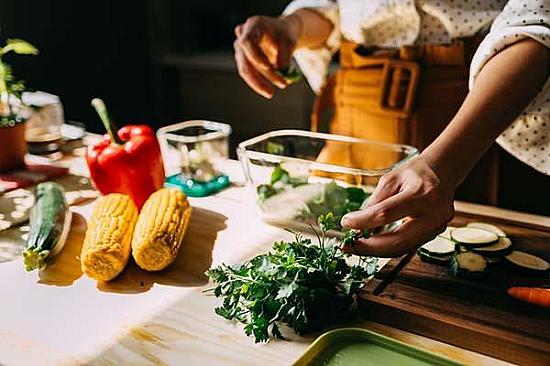
But the DASH diet isn’t about deprivation, Parpos notes. It’s about reshaping a few habits, such as taking time to read nutrition labels to find the lowest-sodium options, stocking up on vegetables and fruits, cooking more meals from scratch, and trying out new flavors beyond salt, like herbs, spices, and citrus zests and juices
“Flavor isn’t just what you taste with your mouth,” she adds. “It also has to do with aromas, appearance, and textures of the food.” Think about appealing to all the senses, she suggests — for example, sprinkling some crunchy chopped nuts on a soft food like cooked greens or oatmeal, or tossing chewy dried cranberries into a colorful salad
DASH diet meal ideas for breakfast, lunch, and dinner
Getting your meal planning into DASH mode is easier than you think, says Parpos. Here are some easy suggestions to spark your creativity
Breakfast
- Add a handful of spinach or berries to a smoothie or oatmeal.
- Stir leftover chopped vegetables into your scrambled eggs.
- Top whole-wheat toast with avocado slices, an egg, and low-sodium salsa.
- Spread nut butter on whole-wheat crispbreads and top with sliced fruit.
Lunch
- Make a salad with substance by tossing canned beans or tuna (choose brands with no added salt) with pre-washed salad greens, olive oil, vinegar, and herbs.
- Boost flavor of any sandwich or wrap with vegetables instead of salty condiments (try lettuce, tomato, sliced peppers, cooked greens, or artichoke hearts).
- Boost a low-sodium vegetable soup with canned beans, extra vegetables (including leftover cooked or frozen), and some fresh herbs.
Dinner
- Toss a lean protein (fish, chicken breast, or beans) with chopped vegetables and olive oil, and roast on a sheet pan.
- Stir frozen vegetables (such as broccoli, cauliflower, greens) into low-sodium marinara sauce and spoon onto whole-wheat pasta.
- Grate zucchini or carrots into turkey burgers or meatballs; serve over brown rice or quinoa.
- Stir-fry a frozen vegetable blend with cubed tofu, ginger, and garlic.
Snacks
- Mix no-salt-added cottage cheese with chopped herbs and onions and serve with cut-up vegetables for dipping.
- Toss homemade popcorn with nutritional yeast, garlic powder, or a little grated Parmesan cheese.
- Stuff celery sticks with nut butter and sprinkle with chia seeds for crunch.
A DASH diet grocery list
Here’s a quick guide to help you stock your fridge and pantry with DASH diet–friendly foods
Produce
- leafy greens, such as spinach, kale, Swiss chard, romaine, arugula
- vegetables, such as broccoli, carrots, green beans, bell peppers, chiles, tomatoes, zucchini, onions
- fruit, such as berries, apples, bananas, oranges, melons, grapes, lemons, limes.
Whole grains
- 100% whole-grain breads, low-sodium whole-wheat or corn tortillas
- whole-grain, low- or no-sugar-added cereals like shredded wheat, bran flakes, or steel cut, old-fashioned, or quick (not instant) oatmeal
- brown rice, quinoa, barley
- whole-wheat or legume-based pasta (chickpea, lentil).
Proteins
- skinless chicken and turkey, fish
- no-salt-added canned tuna, salmon, sardines
- plant proteins, such as tofu, edamame, dried or no-salt-added canned beans
- nuts, seeds, and nut butters, such as unsalted almonds, walnuts, sunflower and pumpkin seeds, flaxseeds, peanut or almond butter.
Dairy and nondairy alternatives
- skim or reduced-fat milk, unsweetened soy milk, plain Greek or regular yogurt (low-fat or nonfat)
- low-sodium reduced-fat cottage cheese and cheese.
Frozen foods
- frozen plain (without sauce) vegetables (including frozen chopped onions and peppers for quick meal prep)
- unsweetened frozen fruit
- frozen raw fish fillets
- reduced-sodium veggie burgers.
Pantry staples and seasonings
- olive, canola, and other vegetable oils
- fresh and dried herbs, salt-free spice blends, vinegars, nutritional yeast (for a punch of umami flavor)
- no-salt-added broths, tomatoes, low-sodium marinara sauce.
Image: © FreshSplash/Getty Images
About the Author
Joyce Hendley,
Staff Writer
Joyce Hendley is a staff writer who contributes articles to Harvard Health Publishing’s flagship website and its four newsletters: the Harvard Health Letter, Harvard Heart Letter, Harvard Women’s Health Watch, and Harvard Men’s Health Watch. She …
See Full Bio
View all posts by Joyce Hendley
About the Reviewer
Frances Parpos, RD,
Contributor
Frances Parpos is a registered dietitian and certified diabetes care and education specialist. She received her bachelor of science in nutritional science from Boston University and master of public health with a concentration in nutrition from …
See Full Bio
View all posts by Frances Parpos, RD
Share
Print This Page
Disclaimer:
As a service to our readers, Harvard Health Publishing provides access to our library of archived content. Please note the date of last review or update on all articles
No content on this site, regardless of date, should ever be used as a substitute for direct medical advice from your doctor or other qualified clinician
