


<img src="https://healthylife7.com/wp-content/uploads/2026/08/aol_health_articles_801-4.png” alt=”Health”>Allison Forsyth
Thu, August 20, 2026 at 1:25 PM UTC
A new study found that postmenopausal women who more closely followed the Planetary Health Diet had a lower risk of heart disease
The plant-forward eating pattern emphasizes fruits, vegetables, whole grains, legumes, and nuts while limiting red meat and added sugars
Experts say the diet is a promising option, but any plant-based eating plan can likely provide similar benefits
What you eat becomes even more important for your heart health after menopause, when the risk of heart disease naturally begins to climb. Now, researchers may have found a specific diet to help
A recent study found that postmenopausal women who followed the Planetary Health Diet, a plant-forward eating pattern, had a lower risk of cardiovascular disease, including heart failure and stroke
Exploring the Planetary Health Diet for Your Heart
The new research, presented at the American Society for Nutrition’s annual meeting, included nearly 67,000 postmenopausal women who were about 63 years old and free of cardiovascular disease at the start of the study
The women were asked to complete questionnaires to see how closely their diets aligned with the Planetary Health Diet, which includes:
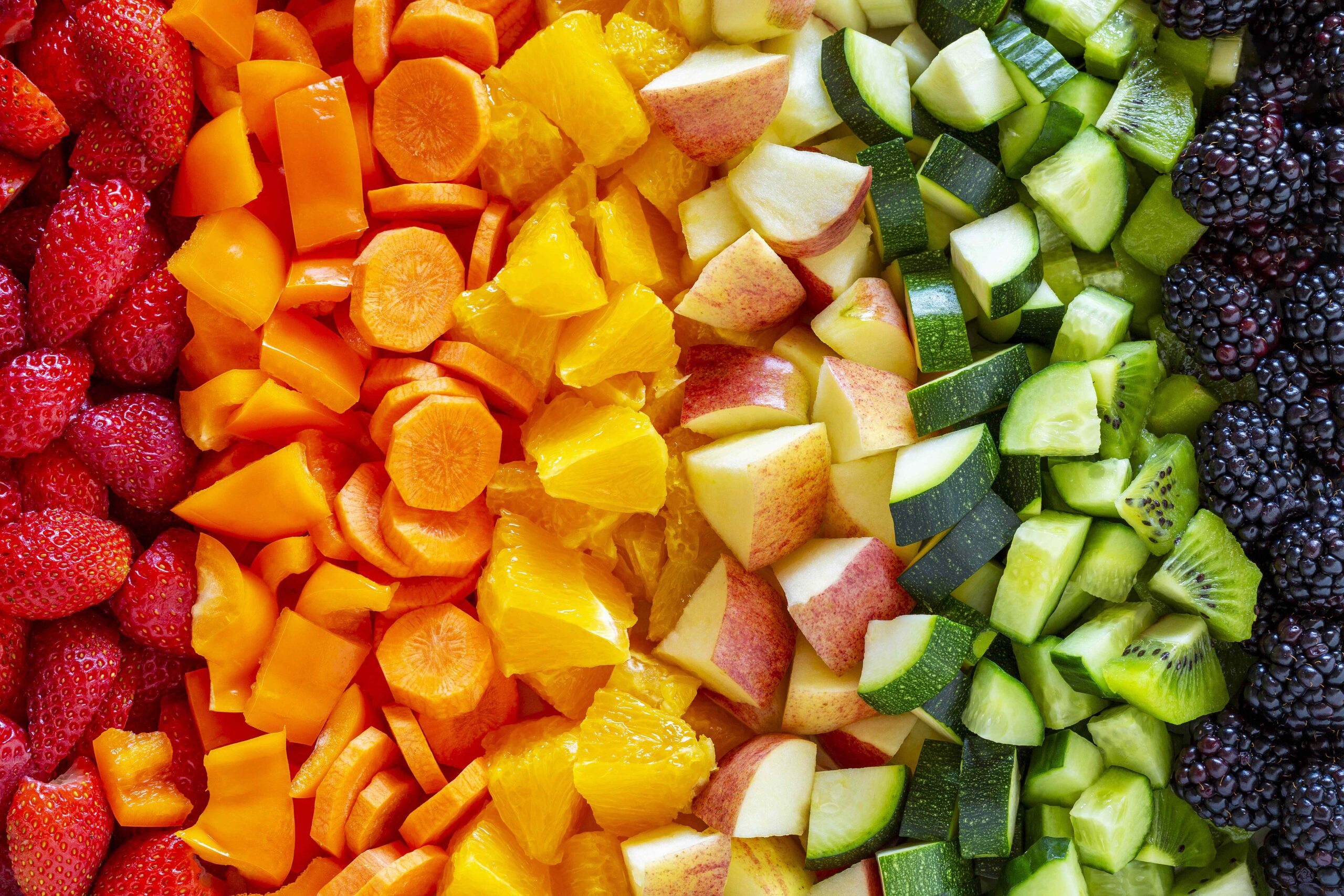
Plenty of fruits, vegetables, whole grains, legumes, and nuts
Small amounts of fish, poultry, dairy, eggs, and unsaturated fats
Limited red and processed meats, refined grains, and added sugars
The Planetary Health Diet is quite similar to the Mediterranean diet—with a focus on fruits, vegetables, and healthy fats—but it was designed specifically to be environmentally sustainable, with stricter limits on red meat, said Donya Shahamati, MS, a doctoral student at UC Irvine’s Joe C. Wen School of Population & Public Health and the primary author of the new study
After the questionnaires, researchers tracked which women developed cardiovascular disease over about 20 years
What Researchers Found
The results showed that women whose diets most closely matched the Planetary Health Diet had a 28% lower risk of overall cardiovascular disease, including stroke, heart failure, and coronary heart disease, compared to participants whose diets were least similar
Women didn’t have to follow the diet perfectly, though—even moderate adherence was associated with lower cardiovascular risk
These findings were true after adjusting for factors that influence cardiovascular health, such as physical activity, BMI, and total calorie intake
Advertisement
The new study didn’t explore how the Planetary Health Diet may support heart health, but experts said it aligns with other research on plant-based diets, which have been shown to improve several major risk factors for heart disease, including cholesterol, blood pressure, and inflammation
Overall, the study validates that “a predominantly plant-based diet is linked with lower rates of heart disease,” Sarah Glinski, RD, a Canadian registered dietitian and health writer, told HEALTH
Should You Adopt This Diet?
While the findings are promising, the research does have some limitations. It was presented at a major conference but hasn’t been published in a peer-reviewed journal yet, and it relied on self-reported data, which can introduce bias
The research also didn’t prove that the Planetary Health Diet is any better than other plant-forward diets, like the Mediterranean or DASH diets, said Matt Kerr, RD, dietetics manager at Strive Health
That said, any eating style that prioritizes fiber and healthy fats, while reducing salt and saturated fats, can support your heart. “When recommending diets, I would consider this diet a strong option, but not the only option,” Kerr told HEALTH
The diet may also offer health benefits beyond your heart. A major study from 2024 linked the Planetary Health Diet to better heart health, as well as a lower risk of death from cancer, respiratory diseases, and neurodegenerative diseases, such as Alzheimer’s
While not necessarily healthier than other plant-based options, the Planetary Health Diet may offer more flexibility by allowing some animal products, Glinski noted, and it has the added environmental benefit
If you decide to try the Planetary Health Diet, experts recommend starting with small, realistic changes—rather than overhauling your whole meal plan. That might mean choosing oatmeal instead of cereal, replacing butter with olive oil, or having a meatless day once a week, Shahamati told HEALTH
“People do not need to eat perfectly to benefit,” she added. “Start small rather than trying to change everything at once.”
Read the original article on Health
