



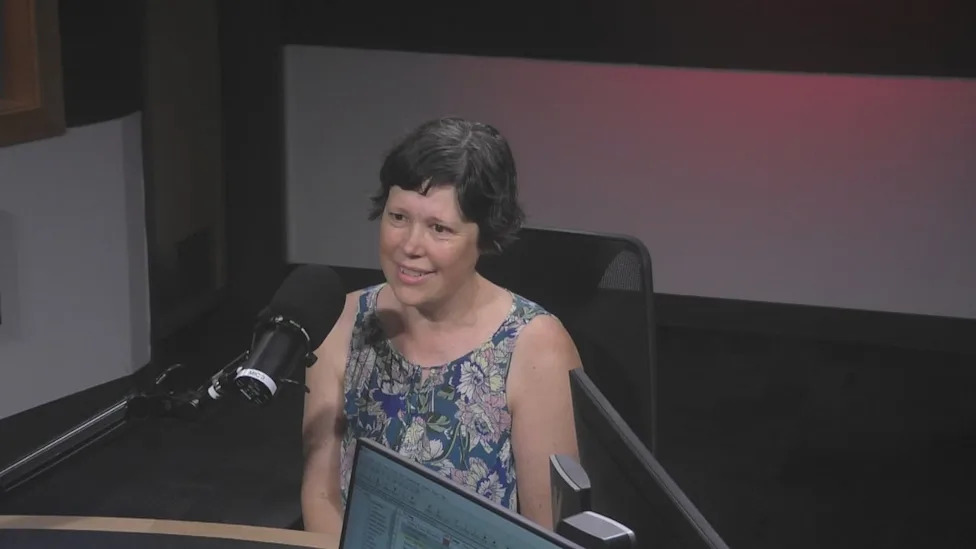
Being an adult often means long to-do lists filled with bills, work, housework or caring for children. What usually falls off the list is play
A new program in Charlottetown is trying to change that
Strong by Nature, offered through Wild Child P.E.I., invites adults and seniors to spend time outdoors doing things many haven’t done in years: rolling on the grass, balancing on one foot, playing games and laughing with other people
Advertisement
Advertisement
The program is run by Erin Bateman, who spent years working in private care with seniors. She said she often saw people becoming isolated and less active, and believes people can do more than they sometimes think, regardless of age
“I don’t think anybody is beyond hope for expanding what they’re capable of,” she told Island Morning host Mitch Cormier
“We’re all really much our own worst enemies in our thought patterns, and believing that we can’t do things that we used to do, especially things we used to do when we were kids.”
LISTEN | P.E.I. program gets adults back to play:
Her inspiration came while scrolling social media, when she saw a video from Scotland showing older adults rolling around in the grass, doing obstacle courses and challenging themselves
Advertisement
Advertisement
She decided to go there
Bateman travelled to Scotland and trained with WildStrong, earning a certification from the organization. When she returned to P.E.I., the timing was right
“Everything just aligned beautifully that Wild Child P.E.I. was also looking to expand their programs to include adults and seniors, and now I’m offering these programs,” she said
Strong by Nature classes will be held outdoors at Connaught Square in downtown Charlottetown on Monday mornings and evenings this fall, starting Sept. 14. Registration is open through Wild Child P.E.I.’s website
Bateman said a typical class begins with name tags and a “question of the day” to help people get to know one another
Advertisement
Advertisement
“We do some warm-ups in a circle. I’m also including some brain games that really help build pathways, and as well as working on mobility for hands and other things,” she said

Participants then move into partner activities and simple challenges, including playing catch with beanbags and moving through small obstacle courses
“Everything is very scalable,” she said. “I always have dowel. There’s always benches and trees and things to help people along. I always have places for people to sit if they need to take a break.”
One key skill participants learn is simply getting down to the ground and back up again
Advertisement
Advertisement
“If you take your time and do it safely and find ways to do it, like I say, with supports… then you’re expanding your range of motion,” she said
“If we learn to do these things, and we become comfortable with wobbling and stumbling, and stronger at it, and find ways to catch ourselves, we’re not going to have big injuries.”
‘It is never too late to start improving’
That approach lines up with what kinesiologist and clinical exercise physiologist Rob Dickson sees in his own work with older adults
“As we get older, one of the biggest things I see is the ability to get off the floor,” said Dickson, co-owner of T3 Fitness and Kinesiology in Charlottetown
Advertisement
Advertisement
He added that many older adults avoid getting down on the floor because they’re afraid they won’t be able to get back up, which only makes that ability decline further
He also pointed to everyday tasks, like standing up from a chair, walking up stairs or opening jars that become harder when people stop moving regularly
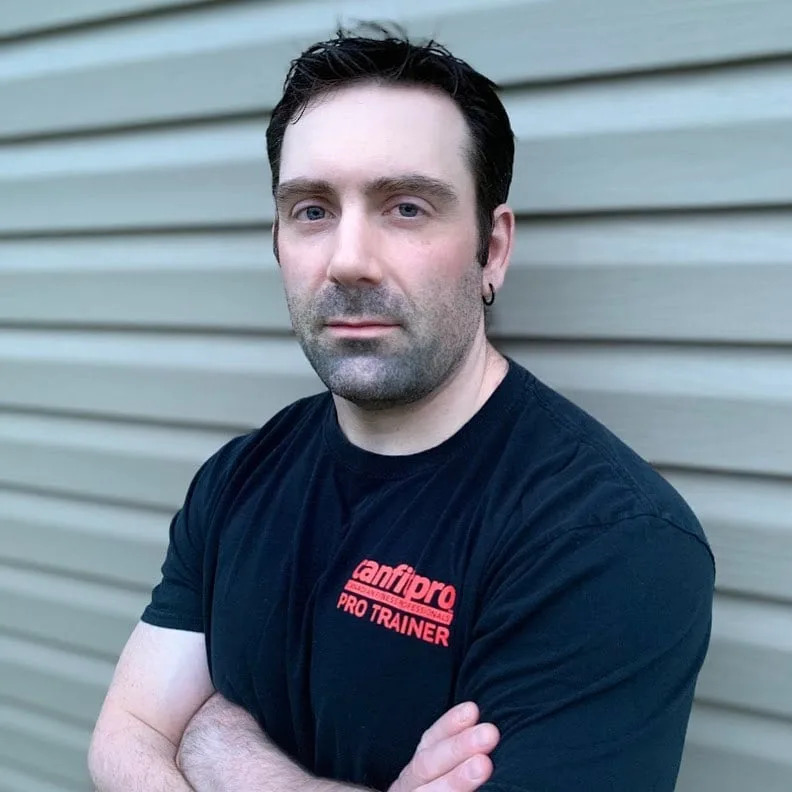
To counter that, Dickson said it’s important to keep moving in ways that feel enjoyable and sustainable, whether through structured exercise or playful movement outdoors
And for those who feel it’s too late to start, he has a simple message
“I would tell them that they’re wrong,” he said. “It is never too late to start improving as you get older… As long as you start and continue with it, you will see the benefits.”
Advertisement
Advertisement
Bateman said she sees that change in participants, particularly older adults, when they take on activities they initially think they can’t do
“I would hear them whisper, ‘I can’t do this,’… and then I would hear them whisper, ‘I did it,'” she said
“There’s real magic in it,” she said. “Watching people expand what they’re capable of.”
Each session ends with tea and snacks, which Bateman calls one of the most important parts of the program
