


August 26, 2026
Popular weight loss drug Mounjaro may offer added heart protection
Adding tirzepatide to standard care was tied to fewer heart attacks and deaths within a year in adults with diabetes and heart disease
ByEric Ralls
Founder
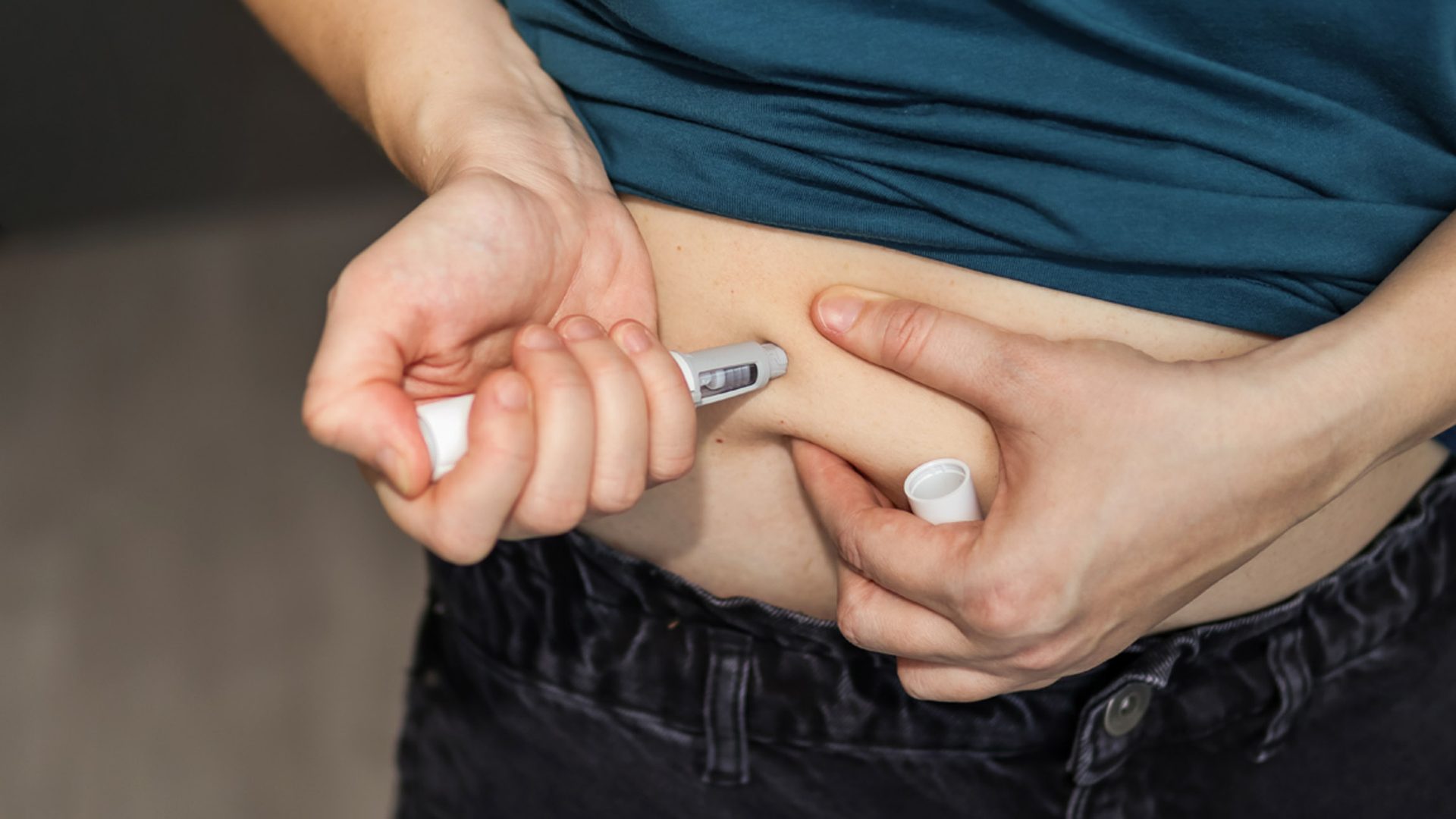
For someone with type 2 diabetes and narrowed arteries, a statin and a blood pressure pill are already part of the morning, and many now add a weekly injection
Whether that injection protects the heart beyond what the rest of the prescription does has stayed an open question
Over one year, patients who started tirzepatide, sold as Mounjaro, had about a third fewer heart attacks, strokes, and deaths than patients who started an older diabetes pill. That is one fewer case for every 70 patients treated
One 2025 trial had already shown that tirzepatide was no worse than a rival injection. Without a placebo group, the trial could not determine how much additional heart protection came from tirzepatide. This study estimated that number from insurance records rather than a randomized trial
Researchers needed a neutral comparison drug
Nils Krüger, a researcher at Brigham and Women’s Hospital in Boston and the German Heart Center in Munich, ran the comparison with two colleagues
The clearest way to test a heart drug is to give half the patients a placebo. In people this sick, new trials usually compare two active drugs instead. The team picked sitagliptin, an older pill for type 2 diabetes, to stand in for the placebo
A 2015 trial of 14,671 patients found no difference in heart problems between people who added sitagliptin to their usual care and people who added a dummy pill. It lowers blood sugar without changing heart risk, which is what a stand-in has to do
The group had already rebuilt two real trials using the same insurance data. In an earlier study, they tested their methods against published results. They reproduced both trials on every outcome except deaths in one of them
“This study shows how trial-anchored evidence from clinical practice can estimate the expected cardiovascular benefit of initiating tirzepatide beyond standard background treatment and inform shared decision making,” wrote the researchers
Shared decision making is the plain name for a doctor and a patient choosing together. A figure like one in 70 is what the authors think that conversation needs
Both groups looked alike after balancing
In two US insurance databases, 52,971 patients met the study’s terms: 40 or older, type 2 diabetes, a body mass index of 25 or higher
The individuals also had artery disease on record: a previous heart attack or stroke, or narrowing in the arteries of the heart, neck, or legs
Between May 2022 and May 2025, 35,353 of them started tirzepatide and 17,618 started sitagliptin. The two groups didn’t start out alike. People who began tirzepatide were younger, heavier, and had fewer other illnesses
To make the comparison fair, the team gave more weight to patients who could have been prescribed either drug, producing groups equivalent to roughly 7,400 patients each
Their median age was about 70, half were women, and 85% were already taking a statin to lower cholesterol
Heart attacks fell with tirzepatide
Heart attacks ran at 1.1% with tirzepatide and 1.9% with sitagliptin. Strokes came out even – 0.7% on each drug
Fewer heart attacks and fewer deaths accounted for the whole difference. With so few strokes on either side, the researchers couldn’t have detected a modest difference in a year
Patients on tirzepatide were already having fewer of these problems within three months, and they kept having fewer all year
Three months is not much time to lose weight, which is why the authors suspect weight loss isn’t the whole explanation. The authors suggest that less inflammation in the blood vessels could be another explanation
Serious infections also declined
Deaths from any cause ran at 1.3% in the tirzepatide group and 2.1% in the sitagliptin group. When the researchers looked at what preceded those deaths, infections accounted for much of the difference
Deaths within 90 days of an infection came to 0.5% with tirzepatide and 1.0% with sitagliptin, an analysis the team added after the fact
Serious infections themselves were less common. In the tirzepatide group, 3.3% were admitted to hospital with one, compared with 5.4% on sitagliptin. Urinary tract infections followed the same pattern, 9.7% to 11.5%
Patients taking the shot had no more stomach and gut trouble, a known side effect of these drugs, than those taking the pill
Obesity is a strong risk factor for serious infection, and trials of tirzepatide and semaglutide have reported fewer such admissions before, alongside fewer for heart failure
The researchers interpret that as a sign that part of the survival benefit may have little to do with arteries. They call it plausible, not settled. These records don’t cover other questions raised for tirzepatide, such as eye disease
Insurance records have limits
Follow-up ran a year at most and ended the day a patient stopped or switched drugs. On average, people stayed on treatment about six months. That’s short for a drug someone may take for years
Sitagliptin is swallowed and tirzepatide is injected, another limit that was acknowledged by the research team
The researchers were most cautious about the mortality findings
In earlier heart protection research, this class of drug may have appeared to reduce deaths partly because doctors prescribe older pills to frailer patients. Weighting can’t correct for what the records never captured
As a check, the team tracked two conditions the drug should not affect, a pinched nerve in the lower back and an abdominal hernia. Both came out the same
Researchers cannot explain fewer deaths
Everyone here was insured, American and already living with artery disease, so the numbers may not apply to anyone else
No one has split the survival benefit into its parts yet: how much belongs to fewer heart attacks, and how much to infections that never happened
Future studies should separate the two, the authors wrote, and other trials should test the drop in deaths
Until someone runs those studies, a patient weighing the shot has one year of records and a comparison drug chosen because it does nothing to the heart
The full study was published in the journal The BMJ
—–
Like what you read? Subscribe to our newsletter for engaging articles, exclusive content, and the latest updates
Check us out on EarthSnap, a free app brought to you by Eric Ralls and Earth.com
—–
