


Add Us On GoogleAdd as a preferred source on Google
S.C. (WCSC) — Med-spas, weight loss clinics and wellness centers around Charleston are advertising peptides, compounds marketed for muscle growth, skin health, sleep and energy
Medical experts say the public excitement surrounding them is outpacing the actual science, and some people are putting their health at risk to obtain them
Peptides are marketed as a quick fix, but medically, they are simple compounds a board-certified nurse practitioner with a specialty certification in obesity medicine
“Peptides are essentially short-chain amino acids,” Parkman said. “Common peptides that we use in our practice are things like Wegovy and Zepbound. And they are actually drugs that mimic GLP, which is a hormone and a peptide that our bodies naturally produce.”
The human body naturally contains thousands of peptides that signal cells to heal and repair, and peptides have been used for decades in treatments such as insulin
Today, FDA-approved GLP-1 weight loss drugs dominate the market
Outside of tightly regulated pharmacies, providers say a largely unregulated market of online compounds exists
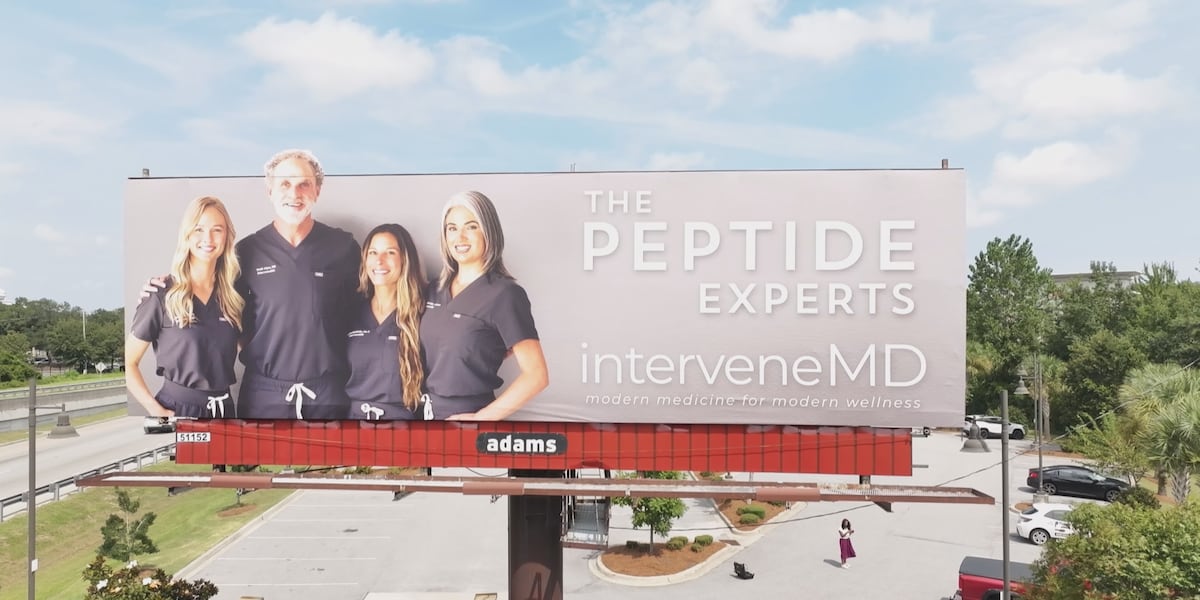
Dr. Todd Joye, founder and owner of InterveneMD, said peptides are not a cure-all and are increasingly being used without medical oversight
“I think that, you know, it’s important for people to know that peptides are not the silver bullet,” Joye said. “And they are being used indiscriminately. They are being used without proper supervision. I just had a patient today come in and tell me that they were basically handing peptides out at his gym. And they were telling me he should take this peptide or this one.”
Joye said peptides are natural substances found throughout the body
“They’re actually amino acids. So for anybody who paid attention during high school science, we learned that amino acids are the building blocks of protein. And that’s all peptides are. They’re just a bunch of amino acids bound together,” Joye said. “More than 50 amino acids put together is called a protein. And less than 50 amino acids bound together is a peptide.”
He said there are more than 7,000 peptides in the body, but only a little more than 100 are currently known, and some, but not all, are FDA-approved
“The most common peptide historically is insulin for diabetes. The most common peptides used these days are these weight loss drugs, the GLP-1s. Those are peptides,” Joye said. “They’re not new. They’ve been around for at least 20 years or so.”
Joye said GLP-1 medications such as Semaglutide and tirzepatide are being studied for brain health and Alzheimer’s prevention, heart disease, cancer and arthritis, in addition to weight loss and diabetes management
Parkman said peptides purchased outside of FDA-approved channels lack sufficient research
“So, as far as I’m aware, we don’t really have a lot of great clinical research that studies these peptides that you can purchase offline from different companies,” Parkman said. “The peptides, again, that we’re most familiar with are the ones that are FDA-approved.”
Parkman said FDA-approved peptides like Wegovy and Zepbound, along with their precursors such as Liletta and Saxenda, which have been available for nearly 20 years, are considered safe long-term
She said GLP-1 medications can cause side effects including nausea, vomiting, constipation or diarrhea, but those risks can typically be minimized when the medications are prescribed by a health care provider
“There are certainly side effects from GLP medications,” Parkman said. “We can typically mitigate these side effects. And again, when you have them prescribed from healthcare providers, it helps you minimize those risks.”
Joye said peptides purchased online carry additional risks
“I’ve heard cases where patients have been using them online and having reactions or having the products not contain the material that they should have in them,” Joye said. “I’ve had patients who have told me they’ve been on them for a long time and never come off of them.”
He said long-term safety data is limited for many peptides outside the GLP-1 category
“There is some long-term safety, obviously with these weight loss drugs, the GLP-1s, that have been through that rigorous trial where we do have a lot of safety data on that. And some peptides don’t,” Joye said. “That’s why you have to be cautious with these.”
Joye said patients often ask him for a specific peptide to treat symptoms such as brain fog, but he said that approach overlooks underlying health issues
“Because I look at peptides as being the icing on the cake,” Joye said. “That the best icing in the world is not going to make a bad cake taste amazing. And the cake is the foundational stuff. It’s looking at hormones. It’s looking at mitochondrial health. It’s looking at the immune system and inflammation. It’s looking at diet. It’s looking at stress. It’s looking at nutrition.”
Joye said his practice focuses on diagnostic testing, including blood and gut testing, to identify root causes before considering peptide use
“We have to fix the foundational issues first for people,” Joye said. “It’s that the body is very smart. And if we don’t correct things and look at things in the proper order, it’s like building a house on sand.”
Joye said peptides have short half-lives, meaning the body eliminates them quickly, which he said reduces some long-term concerns when they are used properly. Still, he said more research is needed. “We need patients to understand that they need to do it the correct way,” Joye said. “They should not do this by themselves.”
Both providers recommend consulting a primary care physician before pursuing peptide treatment
“So, I would always recommend consulting your primary care physician rather than searching online for ways to procure these medications,” Parkman said. “So, your primary care doctor would be a great place to have that conversation about what you’re looking for in a peptide. What benefit you’re hoping to gain from it.”
Copyright 2026 WCSC. All rights reserved
