


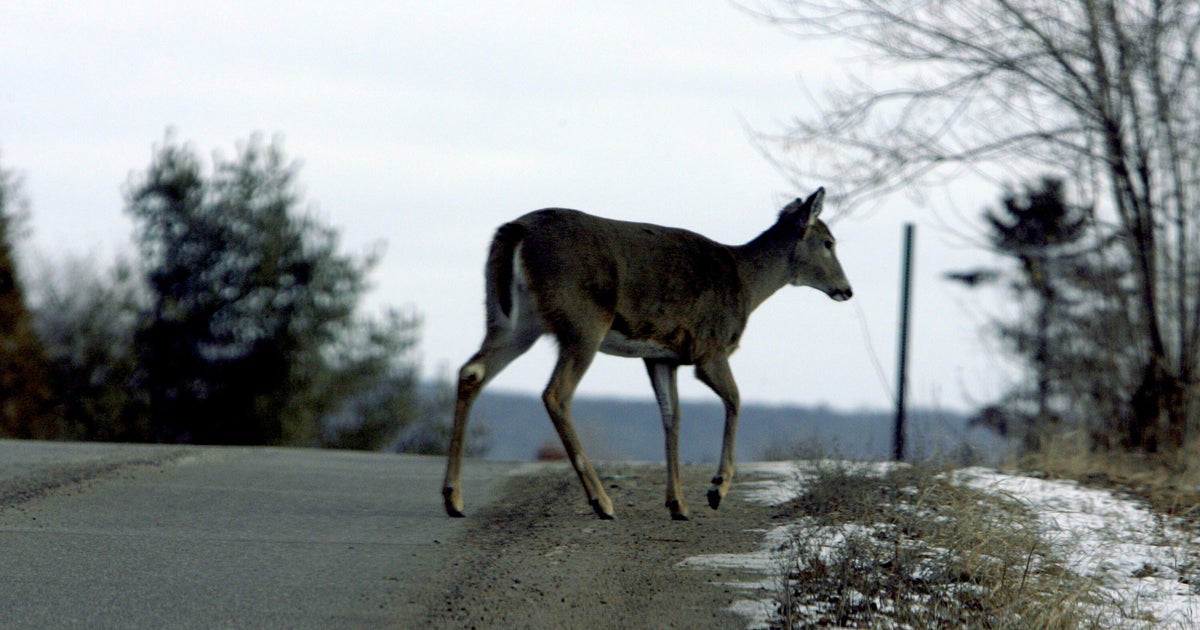
Chronic wasting disease has been found among farmed white-tailed deer in three Michigan counties, the state’s agriculture agency said on Wednesday.
The Michigan Department of Agriculture and Rural Development said signs of the disease were found among deer in Calhoun and Kent counties through the state’s surveillance program. A third infected deer in Mackinac County was discovered while tracing the Calhoun County herd, and state officials continue to follow up to see whether other farm herds have been exposed.
Michigan allows deer, elk, reindeer and other species of the Cervidae animal family to be raised on private land for breeding, meat production, private hunting and animal watching. The farms must follow state guidelines for surveillance of chronic wasting disease and bovine tuberculosis.
Wildlife watchers are also encouraged to submit reports of sick or dead wildlife so that the Michigan Department of Natural Re was first detected in Michigan’s wild deer in 2015 and was found in at least 16 Michigan counties during 2025
“These detections highlight why it is so vital to perform regular surveillance testing. Early detection allows for a prompt response, which helps limit the exposure of additional animals to this disease,” said State Veterinarian Dr. Nora Wineland.
Chronic wasting disease is a fatal neurological disease that can be spread from one animal to another or indirectly in the environment. State officials say while an infected animal might appear healthy for months or even years, it will eventually show symptoms of abnormal behavior, progressive weight loss and loss of body functions.
State officials say they have not received reports of any human cases of chronic wasting disease. But as a precaution, the World Health Organization and the U.S. Centers for Disease Control and Prevention say animals infected with this disease should not be eaten as food by either humans or domestic animals.
