


Global nutrient imbalance linked to exporting local catch from Africa
Global nutrient imbalance linked to exporting local catch from Africa
Subscribe from £2 / $2.70 a month! Find out more
Fishing
Global nutrient imbalance linked to industry exporting local catch from Africa
Fishing
Global nutrient imbalance linked to industry exporting local catch from Africa
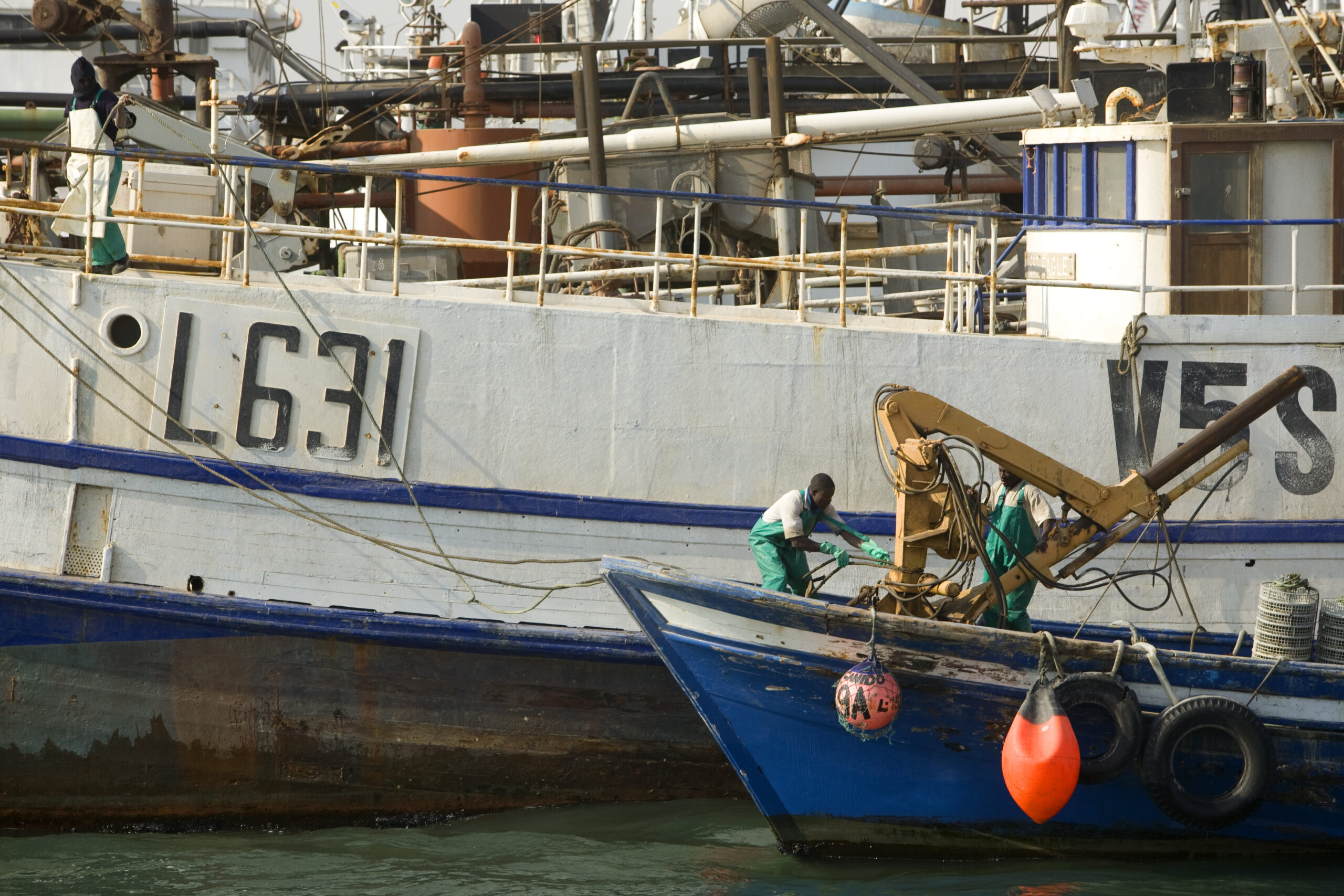
Foreign fishing fleets are hauling nutrient-rich fish out of West African waters and shipping it abroad, a new study finds, leaving some of the world’s most malnourished communities without a food
Foreign fishing fleets are worsening food and nutrition insecurity in some of the world’s most vulnerable coastal countries, according to a new study which found that keeping locally-caught fish in local markets could improve nutrition for up to 10.6 million people across 35 countries
The research, led by scientists at the ocean conservation group Oceana and published in the journal npj Ocean Sustainability, found that foreign trawlers catch more than six million metric tonnes of fish a year in the waters of countries that rely most heavily on the ocean for food – many of them in West Africa. Much of this catch is then shipped abroad rather than sold domestically
Many of the foreign vessels use bottom trawling, a fishing method that drags heavy nets across the seafloor and is widely regarded as one of the most destructive forms of commercial fishing
The study found that this pattern is creating a global nutrient imbalance, moving nutrient-rich wild fish out of countries with high levels of malnutrition and into wealthier, more nutritionally secure markets
“Behind these numbers are real communities. In many coastal countries, especially in West Africa, fish is one of the most accessible” said Dr David Costalago, the study’s lead author and a senior marine scientist at Oceana

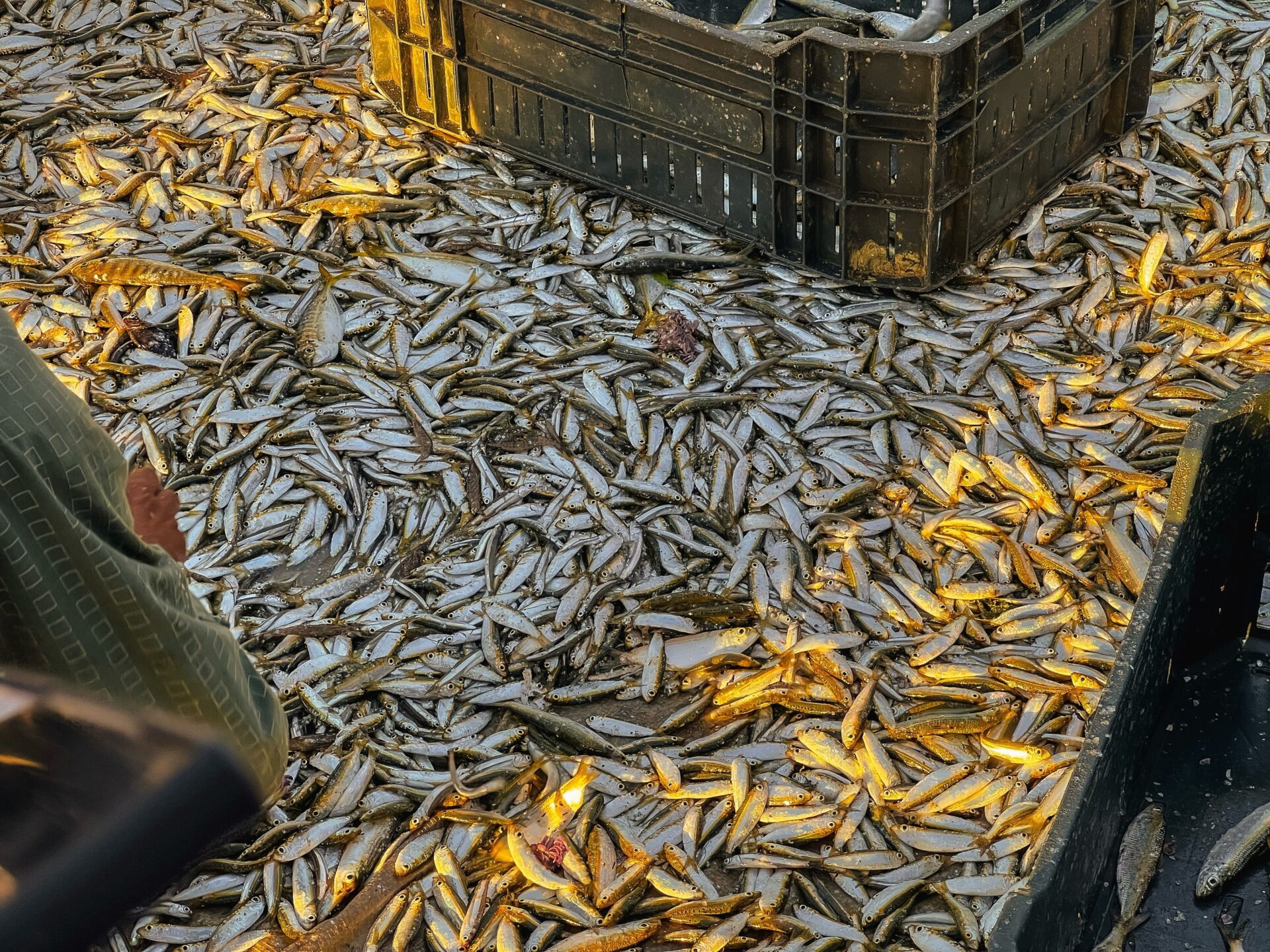
Researchers found that Guinea-Bissau, Guinea, The Gambia, Sierra Leone and Côte d’Ivoire stood to see some of the largest nutritional gains if more of the catch were retained locally. In Guinea-Bissau, where 99.9% of the population is deficient in calcium, researchers found that eating the retained catch could bring most people up to an adequate intake of the nutrient
“Aquatic foods are among the richest naturalding vitamin B12, iron, zinc, calcium, and omega-3 fatty acids,” said Dr Chris Golden, a co-author of the study, Oceana science advisor and associate professor at Harvard T.H. Chan School of Public Health.
He said the findings showed that how fisheries are managed and how seafood moves through global markets can have significant consequences for human nutrition, particularly where deficiencies are already widespread
The researchers said governments could address the imbalance by building food and nutrition security into fisheries management and foreign access agreements, improving transparency around foreign fishing activity, and prioritising policies that ensure coastal communities benefit from fish caught in their own waters
“Policymakers should ensure that fisheries access agreements and management decisions explicitly consider food and nutrition security alongside economic and environmental objectives,” said Costalago. “Doing so could help make ocean re
Click here for more from the Oceanographic Newsroom
“*” indicates required fields
Printed editions
Learn moreShop
Current issue
Back issues
Current Issue
Issue 49
Feathered elegy
Click here to visit Issue 49 / Feathered elegy post
Back Issues
Issue 48
The Innerview
Click here to visit Issue 48 / The Innerview post
Back Issues
Issue 47
Ancient encounters
Click here to visit Issue 47 / Ancient encounters post
Back Issues
Issue 46
Ocean oracles
Click here to visit Issue 46 / Ocean oracles post
Learn moreShop
Enjoy so much more from Oceanographic Magazine by becoming a subscriber.A range of subscription options are available
