


This story may contain content readers find disturbing or triggering. For help with postpartum mood disorders, the National Maternal Mental Health Hotline is free, confidential, and 24/7. Text or call 1-833-TLC-MAMA. If you or someone you know is having thoughts of suicide, call 988 or go tohttps://988lifeline.org/to chat online
The trial of Lindsay Clancy, who admitted to killing her three children in January 2023 at a time she says she wasin the throes of postpartum psychosis, has drawn national attention to postpartum mental illness and how it is diagnosed and treated
It also underscores a troubling reality of postpartum care — the need for greater awareness and support systems, particularly for women with a history of depression, anxiety, and other mental health disorders
Ashleigh Owens, a Belmont mother who experiences depression, anxiety, and ADHD, said she took part in such programs and saw the benefits. She and her husband, Spencer, were nervous about having children because of her mental health history, but they wanted to raise a family
“I just got this motherly feeling, and I just knew I was ready to have kids,” she said
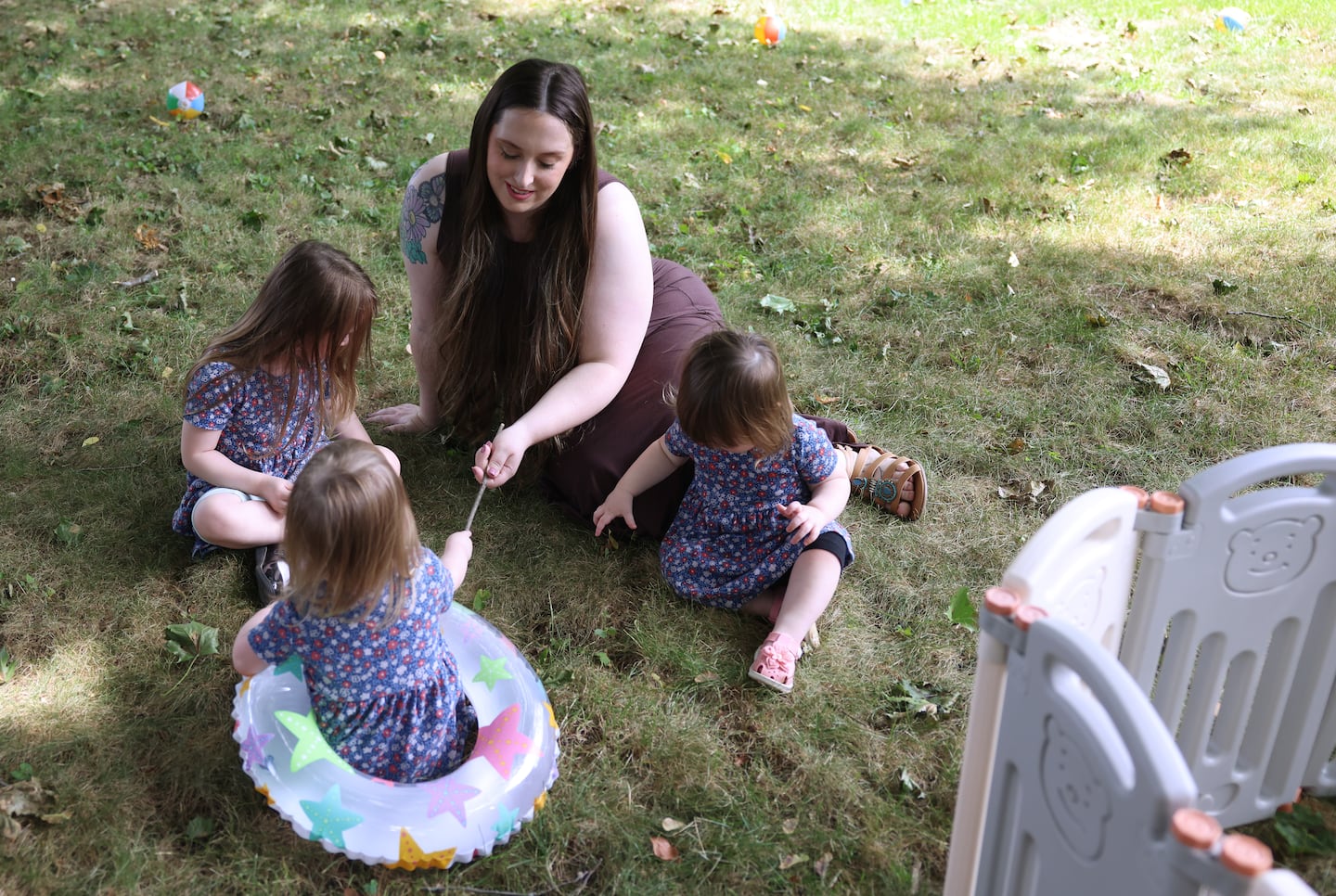
Preparation didn’t spare her entirely from postpartum depression and anxiety, she said, but it helped. Owens, 31, is now a mother to a 4-year-old daughter and 20-month-old twin girls
“There are some days that are harder than others, but at the end of the day I know that it was worth it,” Owens said
Among all women, it’s common to have some level of postpartum mood changes. About 85 percent of mothers experience “baby blues,” according to the Maternal Mental Health Leadership Alliance, a national nonprofit advocacy organization. Up to 8 percent report experiencing anxiety disorders, while 14 percent experience depression
According to trial testimony and legal documents, Clancy began seeking treatment for anxiety, depression, insomnia, and exhaustion about three months after her youngest child, Callan, was born. Over the course of five months, Clancy received 30 prescriptions for 13 different drugs but didn’t experience consistent relief from her symptoms
A 2018 study foundthat women with a history of depression are 20 times more likely to experience postpartum depression than women without that history
That doesn’t mean all women who have a history of mental illness will suffer serious illness if they become parents. And though she reported previous bouts of anxiety, Clancy wasn’t diagnosed with a mental illness until after the birth of her third child
But preparation with health care professionals, a strong support system, and strategizing for stress reduction and healthy sleep during the postpartum period can improve the chances of avoiding a crisis and resolving symptoms more quickly, advocates said
One other factor: Perinatal women with mental health conditions are less likely to reach out for assistance, a reluctance that could stem from a lack of insight into their own condition, the stigma attached to mental illness, or fear that admitting to difficulties could cause them to be reported as a risk to their children
“We want to normalize talking about mental and emotional health,” said Wendy Davis, chief executive of Postpartum Support International, a perinatal health organization based in Pennsylvania. That means “making plans to support emotional andmental wellbeing just the same way we talk at every appointment about blood pressure, nutrition, childbirth, accident prevention.”
She emphasized finding a peer support system, ideally making connections with other women who have experienced postpartum challenges
In Massachusetts, advocates say, finding help can be a challenge, with access varying depending on where a new parent lives, who her provider is, and whether the program is recommended by community members. There does not appear to be a public clearinghouse of postpartum depression support groups operating in Massachusetts
The Department of Public Health directs families to several group directories — including MCPAP for Moms, Postpartum Support International, and Jewish Family & Children’s Service — while also suggesting parents look to hospitals, libraries, and community organizations
That decentralized system can pose challenges, particularly for mothers seeking in-person or culturally specific support
“I don’t think there are enough, honestly,” said Stephanie Crawford, founder of Roxbury-based Propa City Community Outreach, which supports families affected by pregnancy and infant loss and works with mothers across Massachusetts
Crawford was one of 35 organization leaders who applied for DPH funding to “address mental health conditions and substance use disorders among perinatal individuals.“
Five organizations were chosen: Monumental Beginnings (Falmouth Together We Can), Building Stronger Beginnings (Cooley Dickinson Hospital, Moms Do Care – Northampton), Vital Connections (Boston), Worcester RISE for Health, and Writing by Michelle LLC (Haitian Mental Health Network and William James College). They’ll each receive $44,000 annually over the next five years
Davis emphasized that people should seek out virtual groups if one isn’t available locally. Her organization offers hundreds of national online support groups, she said
Expecting mothers who had treatment for mental health conditions in the past or are receiving treatment currently should consult health care professionals about perinatal care. That could include a psychiatrist, doctor, or other health care provider, said Dr. Michelle DiBlasi, an assistant professor of psychiatry at Tufts University School of Medicine
A major question, experts said, is whether to continue taking medications for mental health care during pregnancy and breastfeeding. A lot of the most common medications for depression, anxiety, or bipolar disorder are safe for pregnant and new mothers, but the specifics should be discussed with a doctor
“It needs to be a conversation between the provider and the patient, ideally even before the person gets pregnant, about what the plan would be,” DiBlasi said
Owens, the Belmont parent, began seeing a therapist in high school, and had conversations with both a therapist and a psychiatrist before her first child’s birth. With the exception of a prescription for ADHD, Owens stayed on medication during her pregnancy and while breastfeeding, she said
“A healthy mom is better than a mom who’s struggling,” she said
She still experienced symptoms of anxiety and obsessive-compulsive disorder after her first birth, she said
“I was checking on breathing all the time, what she’s eating. When she started foods, I would worry about if she was choking,“ Owens recalled. ”I felt like that anxiety consumed my life.”
After her twins were born, she said, her anxiety was replaced by depression and difficulty connecting with her babies, she said
“I felt like sometimes they weren’t my children and they were just children I was taking care of,” she said
She was able to talk about those feelings with a therapist, who told her they were normal. As time passed, she has gotten better at connecting with her youngest children, she said
Her experience during her first pregnancy also made her better at managing her stress after her twins’ births. She and her husband took shifts overnight that allowed each of them to get four solid hours of sleep. Her mother was involved immediately after the births of the twins, she said. And Owens became more comfortable telling people she wasn’t ready for visitors
Now, she said, she still struggles with periods of depression, but finds comfort in communicating in those moments
“The most important thing is telling someone how I feel,” she said. “It’s still a work in progress.”
Jason Laughlin can be reached at jason.laughlin@globe.com. Follow him @jasmlaughlin. Sarah Rahal can be reached at sarah.rahal@globe.com. Follow her on X @SarahRahal_ or Instagram @sarah.rahal
