


- News
- etimes
- wellness
- Your gut bacteria need food too: 10 everyday foods that can help nourish the gut microbiome and improve gut health
Trending
Javagal Srinath
Make Iron Tawa Non Stick
Sundar Pichai
Microwave Food Safety
Your gut bacteria need food too: 10 everyday foods that can help nourish the gut microbiome and improve gut health
TOI Lifestyle Desk / ETimes.in / Aug 30, 2026, 20:07 IST
AAText Size
- Small
- Medium
- Large
1/12
10 everyday foods that feed your good gut bacteria
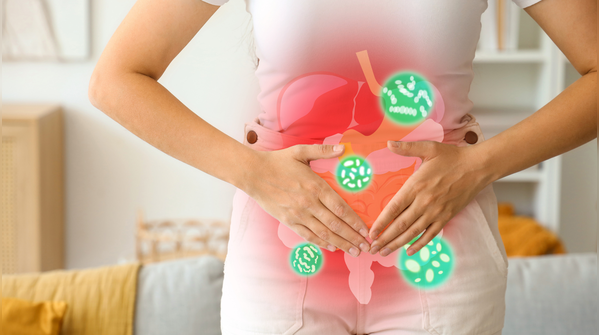
The gut is home to trillions of microorganisms, and they are not simply passive passengers. Many of them depend on parts of food that the human digestive system cannot fully break down, especially dietary fibre and resistant starch.That makes food an important part of the gut environment. Research suggests that increasing fibre can produce consistent changes in gut bacterial communities, although the response varies from person to person.The idea is not to find one magical “gut-healing” food. A better approach is to give gut bacteria different kinds of plant material regularly. Here are 10 simple foods worth bringing into the everyday Indian diet.

2/12
Toor dal, moong dal, masoor dal and other pulses provide fibre and plant protein. Their carbohydrates can reach the large intestine, where gut microbes ferment some of them.This is one reason dal does more than simply add protein to a meal. It also gives the microbiome something to work with
3/12
Chickpeas and rajma
Chole and rajma are familiar foods, but they can also be usefulnot used to much fibre, suddenly eating large portions can cause gas and bloating. NIDDK recommends increasing fibre gradually and drinking enough fluids
4/12
Oats
Oats contain beta-glucan, a type of soluble fibre. Some gut bacteria can use fermentable fibres to produce short-chain fatty acids, including acetate, propionate and butyrate.So the humble bowl of oats may be doing more than keeping breakfast filling
5/12
Green or slightly raw banana
Here is a less obvious choice. Green bananas contain resistant starch, which behaves differently from the starch in a fully ripe banana.A 2024 human studyfound that green banana fibre and resistant starch were associated with increases in several beneficial bacterial species and improvements in bowel regularity.That does not mean green bananas are a cure for digestive problems. It simply makes them an interesting
6/12
Cooked and cooled rice
Rice does not need to disappear from a gut-friendly diet. When cooked starch-containing foods such as rice are cooled, some starch can become resistant starch.That resistant portion is less readily digested in the small intestine and can reach the colon, where microbes can ferment it.The practical point is simple: traditional foods can sometimes fit gut-health goals without turning meals into complicated diet plans
7/12
Apples with the skin
An apple brings fibre and plant compounds, especially when the edible skin is retained.The bigger lesson is variety. Different fruits contain different fibres and plant compounds, so rotating fruits may give gut microbes a wider range of substrates
8/12
Onions and garlic
Onions and garlic contain fructans, a type of carbohydrate that can be fermented by gut bacteria.They are also easy to use regularly. A little onion in dal, garlic in sabzi or both in a homemade chutney can add flavour while contributing fermentable carbohydrates.However, people with IBS may find some high-FODMAP foods uncomfortable. Individual tolerance matters
9/12
Vegetables, especially varied ones
Think beyond a single “best vegetable”. Carrots, peas, broccoli, cabbage, beans, gourds and leafy vegetables bring different types of fibre and plant compounds.A useful habit is to change the vegetables through the week rather than eating the same one every day
10/12
Curd with live cultures
Plain curd can be part of a gut-friendly diet, particularly when it contains live cultures.Fermented foods are being studied for their effects on the microbiome. In a small randomised study, a diet high in fermented foods increased microbiome diversity and reduced several inflammatory markers. The researchers also stressed that individual responses differed.Not every packaged “probiotic” product has the same evidence, so the word on the label should not be treated as a guarantee of better gut health.
11/12
Nuts and seeds
Almonds, peanuts, walnuts, chia and flaxseeds add fibre along with healthy fats and other nutrients
They are useful because they can quietly become part of existing meals. A spoon of seeds in curd or oats may be easier to sustain than following a complicated gut-health routine
12/12
The real secret is not one “superfood”
Gut bacteria respond to the overall diet, not just one ingredient. Research also shows that people can respond differently to the same dietary intervention because their starting microbiomes are different.That is why a plate containing dal, vegetables, whole grains, fruit, nuts and occasional fermented foods may be more useful than chasing a single trendy ingredient.Fibre should also be increased sensibly. For adults, NIDDK cites a general target of 22-34 grams of fibre a day, depending on age and sex, with adequate fluids.The gut does not need a perfect diet. It needs regular nourishment, variety and consistency.
Follow Us On Social Media
