


KMTV speaks to Canterbury and Sevenoaks family who are fighting for life-saving treatment for their children with rare conditions
KMTV speaks to Canterbury and Sevenoaks family who are fighting for life-saving treatment for their children with rare conditions
Kristin Hawthorne
khawthorne@kmtv.co.uk
Published: 16:35, 28 August 2026
Families of children with rare genetic conditions across Kent are joining forces to campaign for greater access to specialist, life-saving treatments before it is too late
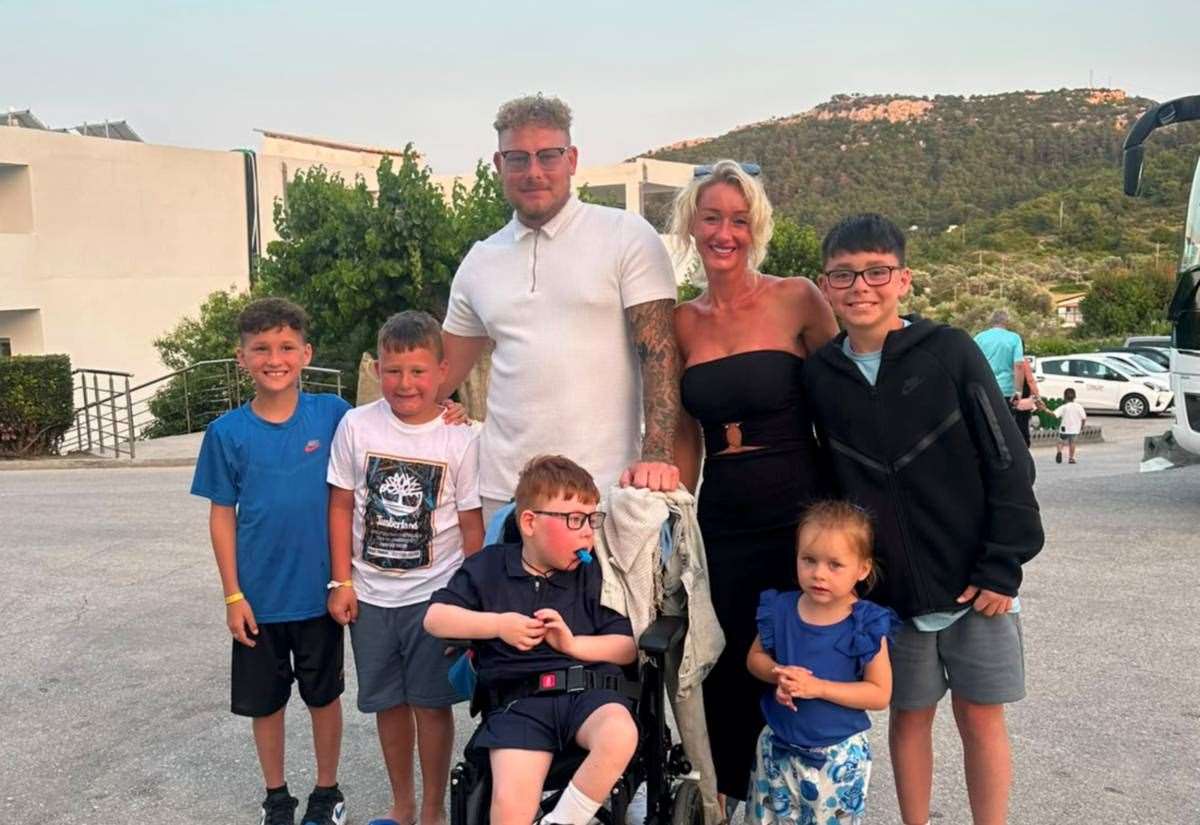
As part of Too Rare to Matter? Children Left Without Help, KMTV spent a morning with Emilee Napier and her five-year-old son Bertie, who has an ultra-rare condition which affects two to three million people worldwide
Bertie has BPAN, which affects the nervous system and can cause developmental difficulties, seizures and progressive neurological symptoms
It means he cannot walk without support, so Emilee, who lives in Canterbury, has to carry him downstairs each morning, something which is getting harder as he gets older
She said: “I think the morning routine is the most difficult for me just because it is more physical. He is getting so strong now, and where I am only small, trying to hold him, he will try and fight me.”
The family is waiting for more suitable housing because their home cannot accommodate some of the specialist equipment he may need
Bertie now also takes medication for epilepsy, and Emilee says an EEG carried out before he was given treatment showed he was experiencing between 50 and 60 seizures without outward physical signs
Despite his condition, the mum-of-five says he is continuing to develop and has recently become more vocal and responsive
She said he has started waving when asked, communicating more clearly and moving around the family home independently by shuffling
Alongside caring for Bertie and her other children, Emilee has been using social media to raise awareness of BPAN and connect with other parents of children with rare conditions
She said the cost involved in developing potential treatments has become one of her main concerns
According to Emilee, a project involving a potential gene therapy for BPAN at Great Ormond Street Hospital would require around £10 million to reach human trials
She said: “It is mind-boggling, to be honest. If you think there are only three people in the UK that have got BPAN, why does it cost so much money to treat those three boys?”
Another Kent family is facing similar questions about access to treatment
Emily Forrester’s two-year-old daughter Leni has Sanfilippo syndrome, an extremely rare genetic disorder often referred to as childhood dementia
The condition causes severe neurodegeneration, behavioural issues, speech delays, loss of motor function, and dementia, with those living with it often only reaching their teens or early twenties
Emily said the tot is continuing to develop and remaining energetic and happy, but the family has been told she is expected to begin losing skills as her condition progresses
The Sevenoaks family are raising £500,000 in an effort to access a clinical trial, with around £440,000 raised at the time Emily spoke to KMTV
She said the timing of potential treatment is particularly important because it may have a greater effect before significant regression begins. There is currently no approved treatment for Sanfilippo syndrome
Emily, 33, added: “Every day that goes by is a day too late. We are in this constant state of worry that she is going to start regressing.”
The mum said treatments have previously been investigated in clinical trials and some programmes have stopped before reaching approval, including because of funding difficulties
She believes more should be done to help families access potential treatments
She added: “I do not feel like parents should have to fight for their child’s life
“I feel like the system should support that and really accelerate these processes, especially for rapid neurodegenerative diseases in children like Sanfilippo and BPAN that need treatment as soon as possible.”
Dr Julian Spinks, a doctor and KMTV health expert, said one of the difficulties in developing treatments for rare conditions is the small number of patients who may ultimately use them
Developing a new treatment can involve years of research, testing and regulatory processes before it becomes available to patients
Dr Spinks said companies developing treatments for common conditions can spread those costs across a much larger number of patients
He said: “With rare diseases, a lot of them, you have only got a very small number of people who are affected
“So if you are a company devising a new treatment, to get your money back you have got to charge an awful lot of money.”
He said that even when patients are considered internationally, the numbers can remain relatively small and may sometimes fall below the base level at which a company would expect to recover the cost of developing the treatment
Emily believes governments should play a greater role in supporting the development and availability of treatments for rare conditions
She said: “It should not be that it is only the wealthiest people or the people who are able to fundraise the money
“There are so many families that are trying to fundraise money at the moment for their children.”
Emily stressed that Leni has received a high standard of care from individual NHS professionals and Great Ormond Street Hospital
However, she said managing appointments and communication between different services can create additional work for parents
She said: “I carry around this ring binder. You become a medical expert overnight, which is on top of everything else.”
Emily also said she is conscious that she has a strong support network and can continue working while campaigning for Leni, while other families may have fewer financial re
“There are single mums that we know of that are fighting for their child to access treatment and trying to fundraise, who do not have support networks around them, cannot work because they have their child,” she added
“The emotional strain on a family when your child is diagnosed with a rare disease is immense.”
The families featured in Too Rare To Matter? have different diagnoses and circumstances, but both are calling for greater attention to the challenges surrounding rare diseases and access to treatments
For Emily, the wider issue is ensuring children with rare conditions have access to the same opportunities as other children
She said: “Leni should have as many opportunities to thrive and enjoy life as any other child. Just because she is unique does not mean that she should not be given those same opportunities.”
Watch KMTV’s full documentary, Too Rare To Matter? Children left without help
CanterburyHealthHuman InterestKentSevenoaksKristin Hawthorne
Follow us


Most popular
- Read
- Commented
- Watched
‘We’ve never been so busy’: The thriving Kent farm shop that’s become a foodie’s heaven
1
- 81
Green Party triumph in council by-election as right-wing vote splits
2
- 1
‘The mourners had started drinking early but it wasn’t until 5pm that the fists started flying’
3
‘Enough is enough’: Villagers say community ‘overwhelmed’ by traveller sites
4
Football club postpones Bank Holiday games amid police investigation
5
Close This site uses cookies. By continuing to browse the site you are agreeing to our use of cookies.Learn More
