



Voss: Obesity
Dr. Kelly VossFollow
dr.kellyvoss@gmail.com
As the dog days of summer wind down, we’re all soaking in the last of long, warm evenings. Even with the excitement of a changing season, there is always a bit of sadness when the sunset creeps earlier and earlier
Our dogs and cats treasure these last long days, too. The extra hours spent with us at the park after work, rolling around the warm grass in the backyard or joining us for weekend hikes and river dips are more than just opportunities to burn calories. For our pets, getting outside is a chance to experience the world
A dog’s walk is not simply a workout. It is a newspaper, a social media feed and a neighborhood gossip session all rolled into one. Every bush, tree and patch of grass carries information through scent. Cats, too, benefit from opportunities to watch birds, climb, explore and investigate their surroundings. This kind of sensory stimulation is enrichment, and it is an important part of keeping our animals mentally healthy
I often see my patients shed a few pounds during the warmer months, likely thanks to all that extra activity. This is an exciting win for a veterinarian because pet obesity remains one of the most common health problems we see. It’s estimated that more than half of American dogs and cats are overweight or obese
This isn’t simply a cosmetic issue. Excess body fat changes the way an animal’s body functions. It contributes to arthritis and other orthopedic diseases, increases the risk of diabetes and can worsen respiratory and cardiovascular problems. It can also make anesthesia, surgery and recovery more complicated. Perhaps most importantly, carrying excess weight can interfere with the simple things that make life enjoyable, like chasing a ball or going for a hike
The good news is that even modest weight loss can make a significant difference in an animal’s quality of life. As pet guardians, we need to take responsibility for our pet’s weight because we are ultimately the ones who fill the food bowls.
As with people, some pets seem remarkably good at regulating their caloric needs, while others seem to have bottomless stomachs. I recommend feeding pets separately, including keeping cat food elevated and out of reach of hungry dog mouths. Microchip-activated feeders that open for only the designated pet can help keep everyone honest.
It’s also important to remember that calories can add up surprisingly quickly. A single biscuit or piece of jerky may seem insignificant to us, but our pets have much smaller bodies. Table scraps are another overlooked source of calories. And while I certainly understand the appeal of sharing a bite of steak with those pleading eyes underneath the dinner table, dogs are not particularly good at understanding inconsistent rules. If they are rewarded with steak one night for sitting beneath the table, they will reasonably conclude this strategy deserves to be repeated the next night.
Table food can also cause gastrointestinal upset, and particularly rich or fatty foods can trigger pancreatitis, potentially warranting a visit to the veterinary hospital the following morning
This doesn’t mean we need to eliminate treats and fun. Food is an important part of the human-animal bond. I love handing out cookies to my patients at their visits, and I have yet to meet a dog who thinks a veterinarian should be stingy with treats. The trick is making these calories count and ensuring the vast majority of their calories are coming from a nutritionally balanced diet
Caloric recommendations printed on pet food labels are useful starting points, but they are generic recommendations. A pet’s calorie needs can change dramatically with age, activity level and health conditions. Your veterinarian can calculate an appropriate calorie target and help you determine exactly how much to feed based upon your pet’s specific needs. If your pet is carrying a little extra weight, the first step should be a conversation with your vet. They may want to rule out metabolic diseases that could be contributing to the weight gain and then can help create a weight loss plan. Rapid weight loss can be dangerous, particularly in cats, who can develop a life-threatening condition, called hepatic lipidosis, if they stop eating or lose weight too quickly.
Now, the first thing that comes up when you google “obesity treatment” is GLP-1 receptor agonists. Naturally, veterinarians are asking the obvious question: Could they work in our pets?
The answer, so far, is possibly. Early research suggests GLP-1 drugs can influence appetite, glucose regulation and body weight in cats and dogs. A 2025 study published in “The Veterinary Journal” found that liraglutide, a GLP-1 receptor agonist, reduced appetite and was associated with weight loss in overweight Golden Retrievers, although the reduction in body weight was not significant.
More research is needed before these medications become a routine part of veterinary weight management. One of the ways GLP-1 medications work in humans is by reducing appetite and helping people avoid overeating. However, unlike humans, our dogs and cats do not have access to the refrigerator at midnight or the ability to order takeout. As pet guardians, we already control how much food goes into their bowls.
That doesn’t mean GLP-1 medications have no potential role in veterinary medicine. These drugs affect much more than appetite, including glucose metabolism and other metabolic pathways, and we are still learning exactly how those effects translate across species. For now, good nutrition, appropriate portions and exercise remain the foundation for achieving and maintaining a healthy weight in our pets
More Like This, Tap A Topicopinion
Voss: Obesity
Aug 31, 2026

Peak Glam: Mountain queen
Aug 31, 2026

Review: Crescendo
Aug 31, 2026
Moon Mondays: Now do something about it
Aug 30, 2026
Willoughby: Reflections on ’60s growth
Aug 29, 2026
See more
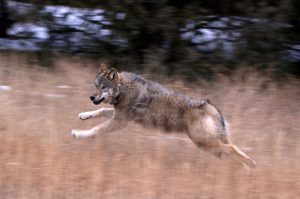
Colorado Parks and Wildlife reaches agreement with Ute Mountain Ute Tribe over wolves
Aug 28, 2026
Colorado Parks and Wildlife has reached an agreement with the Ute Mountain Ute Tribe over the restoration and management of gray wolves on tribal lands in the state

Hotel Jerome, Moncler Grenoble and ACES partner for one-of-a-kind Aspen experience
Aug 27, 2026

Bookings to Colorado resorts reveal high-spending tourists are cutting back
Aug 31, 2026

Redstone Castle to see ‘light to moderate’ construction begin
Aug 27, 2026

Can skiing stay at the heart of the Roaring Fork Valley?
Aug 25, 2026
See more
