


Newslifestylehealth-and-fitnessNational Nutrition Week: Could Yeast Protein Change How We Add Protein To Everyday Diets?
National Nutrition Week: Could Yeast Protein Change How We Add Protein To Everyday Diets?
Reported By :
- Swati Chaturvedi
- ,News18.com
Last Updated:September 02, 2026, 08:33 IST
This Nutrition Week, experts explore the growing potential of yeast-derived protein and how fermentation could help bring protein beyond shakes and into everyday foods

Rapid Read
Summarized by AI.
+
More Rapid Read
Like this summary?
Share Your Feedback
Got Question about the News?
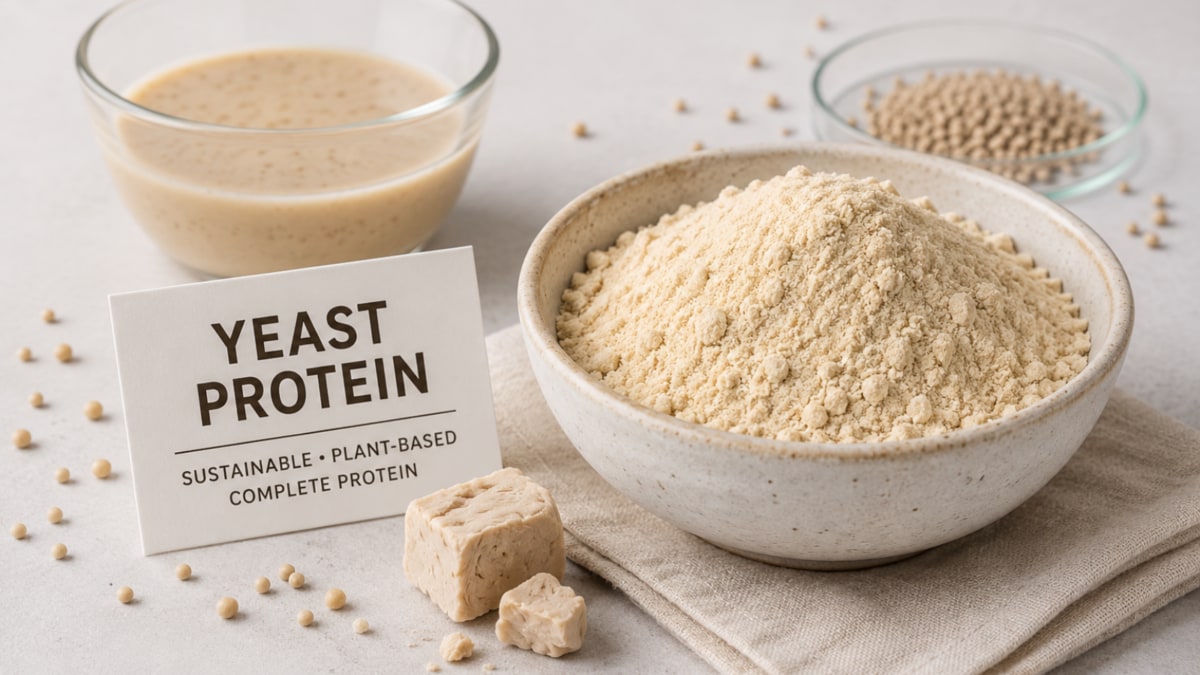
Yeast-derived protein is emerging as a new frontier in nutrition, with fermentation helping explore ways to bring protein beyond shakes and into everyday foods.
As Nutrition Week puts the spotlight on healthier eating and better nutrition, one conversation is increasingly moving beyond the gym: how can people make protein a more natural part of their everyday diets?
For years, protein has largely been associated with athletes, bodybuilders and post-workout shaker bottles. But as consumers become more conscious of their overall nutrition, the category is evolving. The focus is no longer simply on consuming more protein, it is also about finding ways to incorporate it into everyday food and routines
Recommended Stories
From traditional dairy and plant-basednovation is opening up new possibilities. One category beginning to attract attention is yeast-derived protein, which is being explored for its potential to move beyond conventional powders and into foods people already consume
From rotis and snacks to savoury drinks and desserts, could the future of protein be less about adding another supplement to our routines and more about improving the foods already on our plates?
An Ancient Process Meets Modern Nutrition
Fermentation may sound like cutting-edge food technology, but the process itself has been part of how people have prepared and consumed food for centuries
In India, fermented foods and preparations are already deeply familiar. From curd and dosa batter to a wide range of regional foods, fermentation has long played a role in everyday diets
Today, advances in food science are exploring how microorganisms such as yeast can be used to develop new protein ingredients
“For us, what makes yeast protein so interesting is that the science behind it is actually very familiar,” say Meghana Narayan and Shauravi Malik, co-founders of Wholsum Foods, the company behind Slurrp Farm and Mille
They believe the larger opportunity lies in making protein easier to incorporate into formats that already feel familiar to Indian consumers
That distinction could matter. While awareness around protein has grown significantly, many people still associate protein products primarily with fitness and sports nutrition. The next phase of the category could focus on making protein a more seamless part of everyday eating
Moving Beyond The Protein Shake
One of the biggest changes in the nutrition industry is the growing demand for protein formats that fit easily into everyday life
“Fermentation lets us move protein out of gym shakers and straight onto the centre of your plate,” says Nikunj Biyani, founder of SuperYou
The idea is simple: instead of asking consumers to dramatically change their diets, food companies are exploring ways to incorporate protein into familiar formats
Depending on the formulation and ingredient, protein can potentially be added to foods such as baked products, snacks, rotis and desserts. This could make it easier for consumers to increase their protein intake without necessarily relying exclusively on shakes or supplements
This is particularly relevant in India, where food habits are incredibly diverse and nutrition does not always follow the familiar Western model of protein bars and ready-to-drink shakes. Narayan and Malik also see potential in savoury formats
“Protein does not have to be confined to a shake,” they say, highlighting the opportunity to develop products that fit more naturally into how people in India already eat and drink
Why Are Consumers Looking Beyond Traditional Protein?
Whey has long been one of the most familiar protein options, particularly among fitness-focused consumers. However, growing interest in dairy-free, plant-based and alternative protein
Manish Chauhan, co-founder, Arboreal Bioinnovations, believes yeast protein is increasingly moving beyond being viewed simply as an alternative
“What excites me most about yeast protein is how quickly it is moving from being an alternative to becoming a mainstream protein choice,” he says
For companies exploring the category, potential advantages include versatility and the possibility of developing products suited to a wider range of food formats
However, consumers should also remember that nutritional qualities can differ depending on the specific ingredient and final product. Claims around digestibility, gut health and other health benefits should be considered in the context of the specific formulation and available scientific evidence
The Everyday Food Opportunity
Perhaps the most interesting question around yeast protein is not whether it can compete with traditional protein powders
It is whether consumers will eventually stop thinking about protein as a separate category altogether
Imagine protein being incorporated into atta used for rotis, familiar savoury drinks, snacks or desserts. Instead of creating entirely new eating habits, the focus could be on making existing foods work harder nutritionally
This is where food innovation could become particularly interesting
For protein ingredients to move into a wider range of everyday foods, factors such as taste, texture and stability during cooking are crucial. An ingredient that works only in a cold beverage has very different possibilities from one that can be incorporated into cooked foods
For companies working with fermentation-derived proteins, this versatility could open doors to new formats that move beyond the traditional protein shake
From Fitness To Everyday Wellness
The growing interest in alternative proteins nutrition
Protein is increasingly being discussed as part of everyday wellness rather than solely in relation to muscle building and athletic performance
Consumers are looking more closely at their overall diets and searching for convenient ways to incorporate nutrition into busy lifestyles. This creates opportunities not only in sports nutrition but also in functional foods, snacks and everyday packaged products
Chauhan believes food and specialised nutrition could be among the areas where the category continues to grow
But as with any emerging food trend, innovation alone will not guarantee mainstream success
Taste, affordability and accessibility will ultimately determine whether consumers are willing to make these products part of their regular diets
Can Yeast Protein Go Mainstream?
Yeast-derived protein remains an emerging category, and its future will depend on several factors, from consumer awareness and pricing to taste and the ability to fit naturally into everyday diets
But its growing presence reflects a larger change in the way we think about protein
The future of nutrition may not be defined solely by another supplement powder or post-workout drink. Instead, innovation could increasingly focus on helping people get more protein through foods they already know and enjoy
From rotis and snacks to savoury beverages and desserts, the next chapter of protein innovation may be less about asking people to add something extra to their diets
A Nutrition Week Question For The Future
As Nutrition Week puts the spotlight on what we eat and how we nourish ourselves, the conversation around protein is likely to keep evolving
Yeast-derived protein may still be finding its place in the mainstream market, but the growing interest in fermentation-based food innovation points towards an important shift: consumers increasingly want nutrition to fit into their lives rather than forcing their lives to fit around specialised nutrition products
Watch more videos
The real question may not be whether people will replace their protein shakes
It may be whether, in the years ahead, protein quietly becomes a more natural part of the foods already sitting on the everyday plate
Quick Answers
Powered by
Ask News18
Yeast-derived protein is currently an emerging category, and whether it becomes a common ingredient in everyday diets will depend on several key factors. These include building consumer awareness, managing pricing, ensuring acceptable taste, and making sure the protein can fit naturally into foods people already know and enjoy
Powered byAsk News18
About the Author
Swati ChaturvediSwati Chaturvedi is a seasoned media professional with over 13 years of experience in journalism, digital content strategy, and editorial leadership across top national media houses. An alumna of Lady…Read More
tags :High proteinhigh protein foods
Click here to add News18 as your preferred news source on Google.Stay updated with News18 for the latest India and world news, in-depth explainers, entertainment, sports, and cricket news.
Location :New Delhi, India, India
First Published:September 02, 2026, 08:33 IST
Disclaimer: Comments reflect users’ views, not News18’s. Please keep discussions respectful and constructive. Abusive, defamatory, or illegal comments will be removed. News18 may disable any comment at its discretion. By posting, you agree to our Terms of Use and Privacy Policy.
Loading comments…
