Jordan Rasmussen | Rural Prosperity Nebraska
Jordan Rasmussen | Rural Prosperity Nebraska
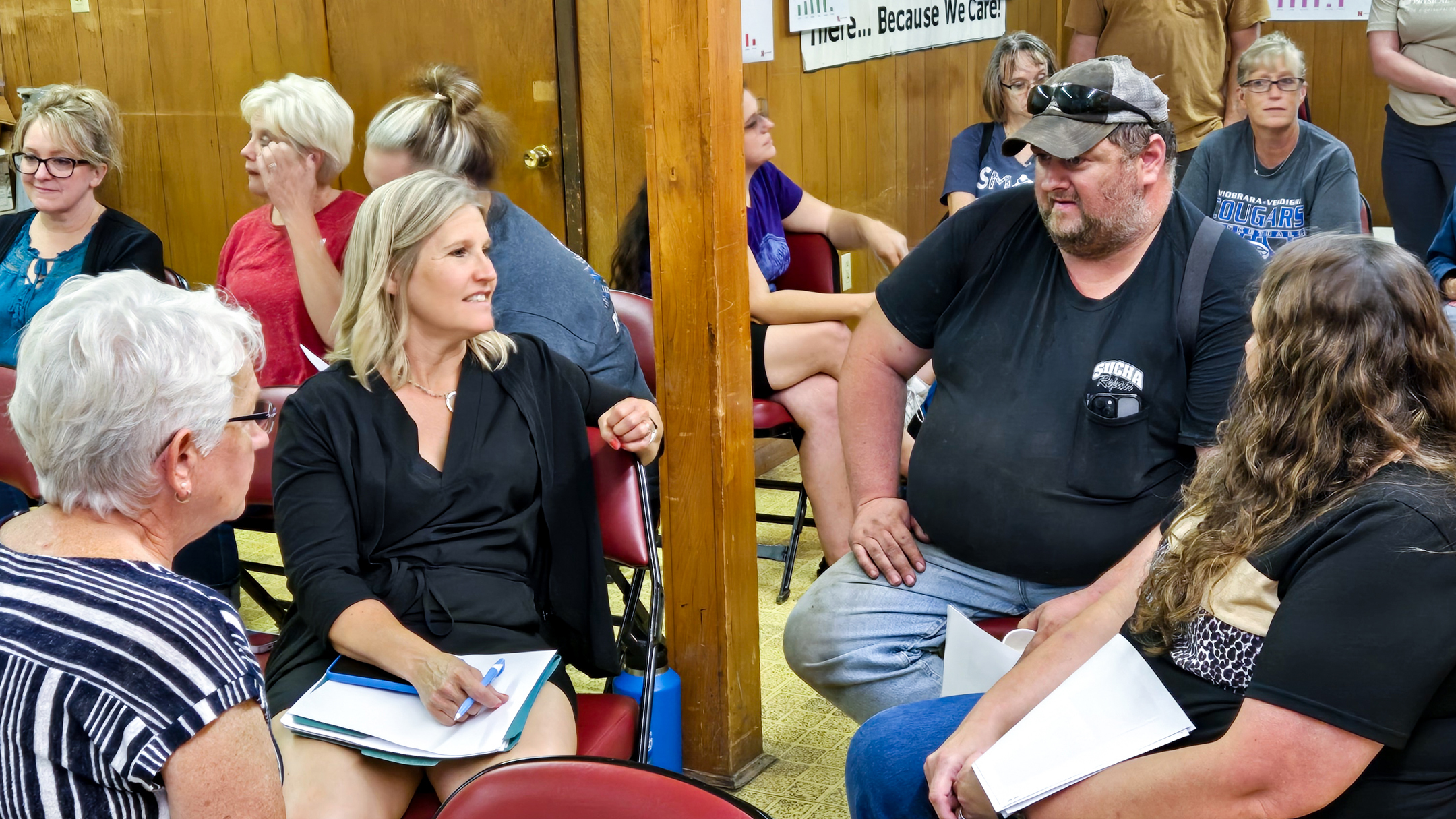
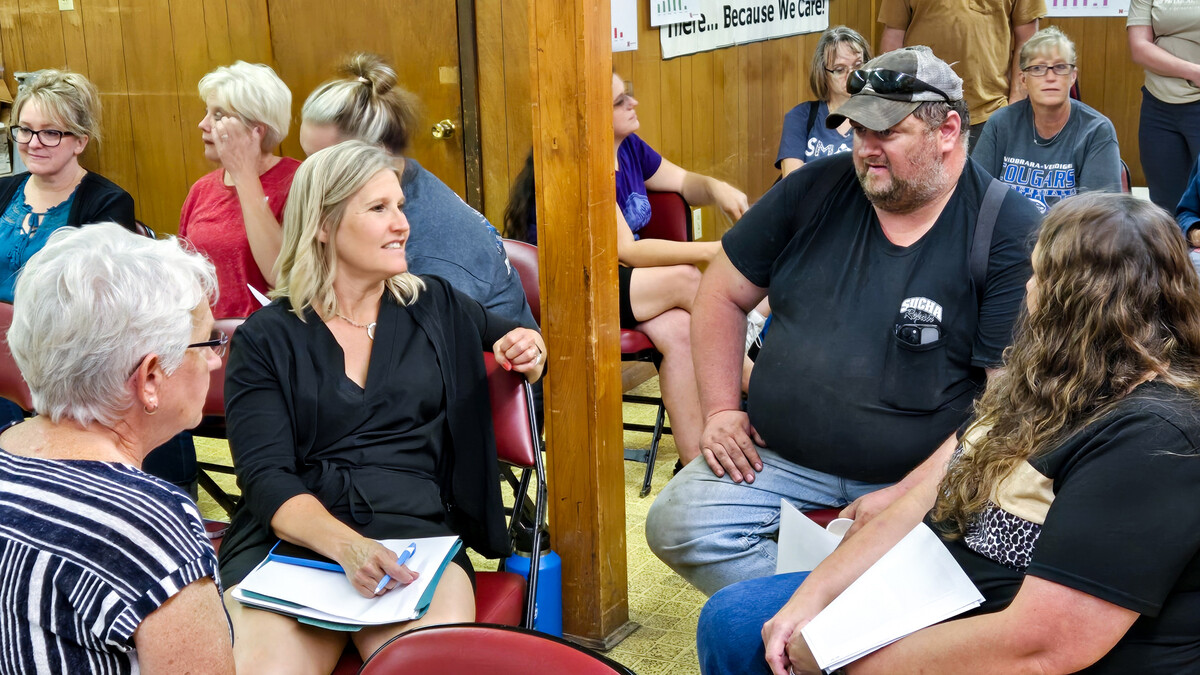
Residents of Verdigre, Nebraska, discuss opportunities for growth and expansion during a June 2025 meeting.
Forty-seven percent of respondents to the 2026 Nebraska Rural Poll believe they are better off than they were five years ago, down from 53% last year
Despite the increase in pessimism about their current situation, rural Nebraskans’ views of the future were about the same as last year, said Becky Vogt, poll manager. This year, 44% of those surveyed believe they will be better off 10 years from now, compared to 46% last year. The Rural Poll — conducted by Rural Prosperity Nebraska with funding from Nebraska Extension — has asked about rural Nebraskans’ current well-being and outlook on the future for 31 years
“Although there was a decline in people’s perceptions of their current situation, people still had similar expectations for the future,” said L.J. McElravy, associate professor of agricultural leadership at the University of Nebraska–Lincoln. “This may suggest that although well-being is lower than it was, it may be seen as a temporary low because respondents still expect to be better off in 10 years.”
Rural Nebraskans’ evaluations of their mental health also declined this year. Just 24% of respondents rate their mental health as excellent, down from 34% last year. The proportion rating it as “good” was 52%, the same as last year, and “only fair” increased from 13% last year to 22% this year.
Similarly, more rural Nebraskans reported feelings of powerlessness this year. Across all 31 years of the study, the proportion of respondents who strongly agree or agree that life has changed so much that most people are powerless to control their lives has been somewhat stable, with the average proportion being about 31%. However, that proportion increased to 38% this year.
“There’s likely a connection between feelings of powerlessness and lower ratings of mental health,” McElravy said. “As people feel increasingly powerless, they feel less in control, which may impact their mental health. Alternatively, when people feel their mental health has declined, they are likely to feel more powerless. It’s not always clear which comes first, but mental health and powerlessness seem connected.”
Age also seems to impact feelings of well-being, according to the poll. Middle-aged people are more likely than both younger and older people to believe they are better off compared to five years ago. More than half of respondents 30 to 64 believe they are better off than they were five years ago, compared to just 32% of those 65 and older. Thirty-four percent of the youngest respondents, ages 19-39, believe they are worse off. However, they are more likely than older people to think they will be better off 10 years from now. They are also more likely to agree that people are powerless to control their lives and to rate their mental health or emotional well-being as “only fair” (about 46%).
“The data tell us that well-being can look very different depending on where people are in their lives,” said Mary Emery, director of the Rural Prosperity Nebraska initiative. “Younger Nebraskans may be facing challenges right now, but they still hold out hope for the future. For rural communities, that combination is important. If they have hope, that should give us hope, as they are the future leaders. The question we should ask ourselves is how can we support the younger generation today?”
The poll also asked about loneliness. A slight majority of rural Nebraskans surveyed say they rarely or never experience the following: feeling isolated from others (55%), feeling that they lack companionship (52%) and feeling left out (49%)
The “Well-Being” report and its implications for rural Nebraska will be highlighted during a Rural Poll webinar at noon CDT Sept. 16. Register here. The full report can be found on the Nebraska Rural Poll website
The 2026 Nebraska Rural Poll marks the 31st year of tracking rural Nebraskans’ perceptions about policy and quality of life. It is the largest and longest-running poll of its kind. This April and May, questionnaires were mailed to nearly 6,900 Nebraska households, with 881 households from 86 of the state’s 93 counties responding. The poll carries a margin of error of plus-or-minus 3%. Current and past reports are available here
Share
News Release Contact(s)
Becky Vogt
Survey Research Manager, Department of Agricultural Leadership, Education and Communication
402-750-1727
Website
Related Links
- 10.23.25: Rural Nebraskans more optimistic about current, future well-being, po…
High Resolution Photos