


Nutrition Strategies to Improve Health With Protein, Fiber, Carbs
05:04
Iron is an essential nutrient that we need to consume every day in order to stay healthy. It’s a trace mineral, which means our body only needs a tiny amount to function — but this heavy metal does a lot of heavy lifting
Iron plays a major role in many important bodily functions, from forming red blood cells to boosting energy levels and supporting our immune system. It’s also vital to a healthy pregnancy
That’s why it’s important to get enough iron in your daily diet. If you want to reap the benefits of this mineral, you can do so by eating a variety of nutritious, iron-rich foods
Health Benefits of Iron
“Iron has a central role in the transport of oxygen through the body,” Sibylle Kranz, Ph.D., dietitian and spokesperson for The Obesity Society, tells TODAY.com
It’s the main component of hemoglobin, a protein in red blood cells that carries oxygen from the lungs and delivers it to the organs and tissues. Iron also makes up myoglobin, a protein in skeletal muscle that holds onto oxygen and releases it when the muscles need to contract or move, per the Cleveland Clinic
Iron supports immune function because it’s necessary for the development of germ-fighting white blood cells, Kranz notes. Iron also helps the enzymes that drive reactions involved in metabolism and energy production
And iron is required for healthy cell growth, especially in the brain, which is why it’s so important for pregnant women and children, Kranz explains
Despite all of these benefits, many people don’t consume enough of this mineral
How Much Iron Do You Need Daily?
Iron needs vary depending on your age, gender and health status. According to the National Institutes of Health, the recommended daily intake (in milligrams) of iron for adults is:
- Men: 8 milligrams per day
- Women: 18 milligrams per day
- Pregnant women: 27 milligrams per day
- Adults over 50: 8 milligrams per day
Women of reproductive age need a higher daily intake of iron because it’s lost through blood during menstruation, Kranz notes
Most adults in the U.S. get enough iron from food, per the NIH, but some people are at higher risk of an iron deficiency. These include people who are pregnant, have gastrointestinal disorders, follow a vegan diet or donate blood frequently
Low iron levels can lead to anemia, which occurs when the body doesn’t have enough healthy red blood cells. Symptoms include fatigue, weakness, low exercise tolerance, pale skin and shortness of breath
Individuals at risk of a deficiency may benefit iron supplements, TODAY.com reported previously. And everyone can increase their iron intake by eating more foods rich in this mineral
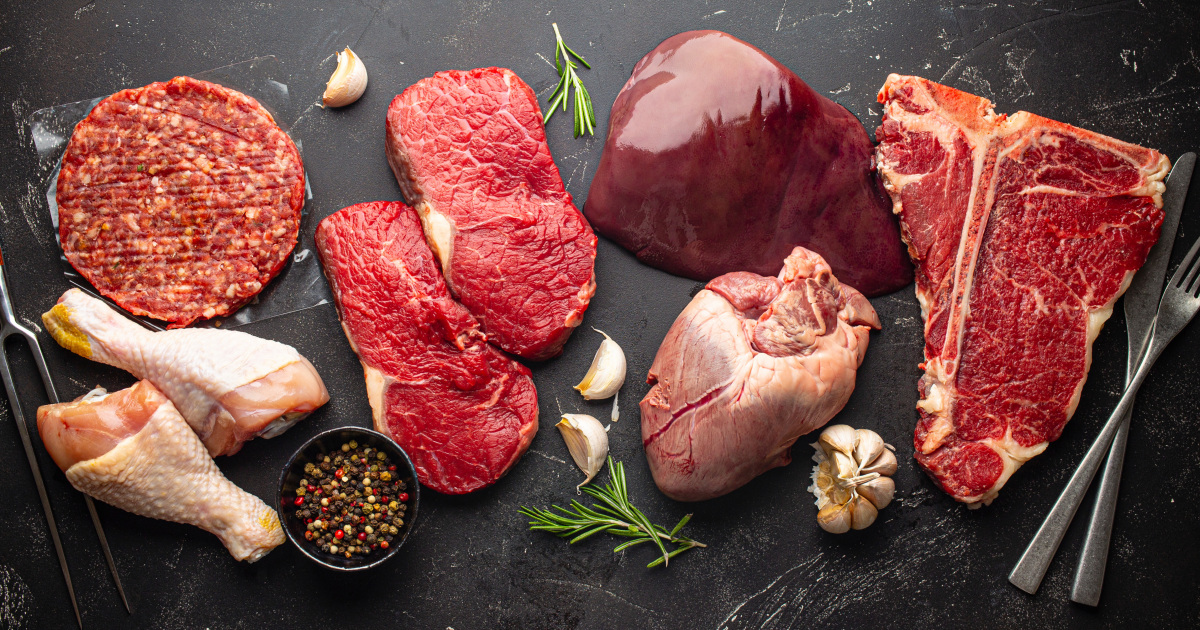
Meats With the Most Iron per Serving
“Meat, especially seafood and lean meat, are the best Kranz
There are two forms of iron found in food: heme iron and non-heme iron, says Kranz. Heme iron is found in animalds
Non-heme iron is not as well absorbed by the body as heme iron, says Kranz. This means you need to consume a lot more of it — almost two times the amount — to meet nutritional needs
Eating meat is a much more efficient way to get iron. You only need a small amount to hit the recommended intake. If you eat meat as part of a diet rich in plants, including iron-rich vegetables and legumes, you’ll get plenty
Here’s which meats offer the most iron per serving (based on a standard daily value of 18 milligrams):
Chicken Liver
Organ meat is incredibly nutrient-dense and good for you, even if it isn’t as popular as other meat options, and chicken liver is one of the most iron-rich meats you can eat
Three ounces of cooked chicken liver packs 11 milligrams of iron, over 60% of the daily value, per the U.S. Department of Agriculture database
In addition to iron, chicken liver is loaded with complete protein, B vitamins to support a healthy metabolism, vitamin A and brain-boosting choline
If you’re hesitant about whole chicken livers, try the blended version in a savory pâté
Oysters
Shellfish — which is, scientifically-speaking, considered a type of meat — is another excellentded with minerals and vitamins
One serving (3.5 ounces, or two to three large oysters) of cooked eastern oysters has 7.8 milligrams of iron, or 44% of the daily value
If you down a dozen for an entree, you’ll easily meet your iron needs for the day
Oysters also pack over 100% of the daily value of seleniumand immune-boosting zinc. Plus you’ll get a hefty dose of lean protein and healthy fats, including omega-3 fatty acids which support heart and brain health
Mussels
Mussels are another iron-rich shellfish, which can help fight fatigue and support healthy muscles
Three ounces of cooked blue mussels provide nearly 6 milligrams of iron, or about one-third of the daily value
In addition to iron, mussels are loaded with protein, energy-boosting vitamin B12, omega-3 fatty acids and manganese
Enjoy fresh mussels steamed, or try canned mussels, a delicious and budget-friendly option
Duck Breast
Duck is a nutrient-rich poultry option that will provide a hefty dose of iron along with amino acids and other micronutrients
One serving of cooked, meat-only duck breast contains nearly 4 milligrams of iron, or about 22% of the daily value
Duck breast is also great
Bison
A naturally lean, high-protein meat, Bison is a great
One serving (a 4-ounce patty) of cooked grass-fed ground bison contains over 3.2 milligrams of iron, 18% of the daily value
In addition to energy-boosting iron, bison is rich in B vitamins and other minerals
Bison is a free-range game animal, which means the meat tends be higher in nutrients and anti-inflammatory omega-3s but lower in saturated fat than grain-fed beef, for example, TODAY.com previously reported
Sardines
Sardines are a nutritional powerhouse known for their protein and healthy fat content — but the tiny fish are also a good
One can of sardines packed in oil, drained, provides nearly 3 milligrams of iron, or about 16% of the daily value
Canned sardines are a convenient, healthy seafood that’s loaded with nutrients. In addition to iron, sardines provide heart-healthy omega-3s, calcium for strong bones and some vitamin D
Surprised to see beef last on the list? Red meat gets a reputation for being rich in heme iron — and it is. While beef does get edged out by other meats with more iron per serving, it’s still a good
One serving of bottom round steak, trimmed to 0% fat, provides about 2.5 milligrams of iron, which is about 11% of the daily value
Beef is a greats vitamin B12, which supports healthy red blood cells along with heme iron. It’s also high in creatine, which provides energy to the cells and improves athletic performance
In addition to these meats, there are plenty of iron-rich plant foods, including white beans, lentils, spinach and tofu
