


JULY 9, 2026 11:00
Calcium is one of the most important minerals in the body. It is essential for building bones, muscle function, transmitting nerve signals, blood clotting, and the normal activity of many cells. Therefore, for years it was customary to think that if calcium is so important, a calcium supplement is almost always a good idea, especially at an older age and particularly for postmenopausal women
But in recent years, a question has arisen that bothers many: If “calcification” of arteries is named so because of calcium deposition in the walls of blood vessels, is it possible that calcium supplements worsen the process? The responsible answer is: This has absolutely not been proven unequivocally. But a real scientific controversy exists, especially when it comes to high–dose supplements, and not calcium that comes from food
What is arterial calcification? Arterial calcification is not a situation where “we ate too much calcium and it stuck to the arteries.” It is a complex process, usually associated with atherosclerosis, inflammation, age, smoking, diabetes, hypertension, cholesterol, kidney disease, and other factors. Calcium deposits in areas of damage within the artery wall, and therefore it is more a sign of a long–standing process than the sole cause of it
And yet, the question regarding calcium supplements is not unfounded. When taking a calcium supplement, especially a large pill of 500 to 1,000 mg all at once, the calcium level in the blood can rise relatively quickly for a short time. Some researchers believe that such repeated “spikes” in blood calcium concentration may, in certain people and over the course of years, affect calcium deposition in the blood vessels. This is one of the possible explanations for why certain studies found a link between calcium supplements and cardiovascular risk, while calcium from food showed no similar link.
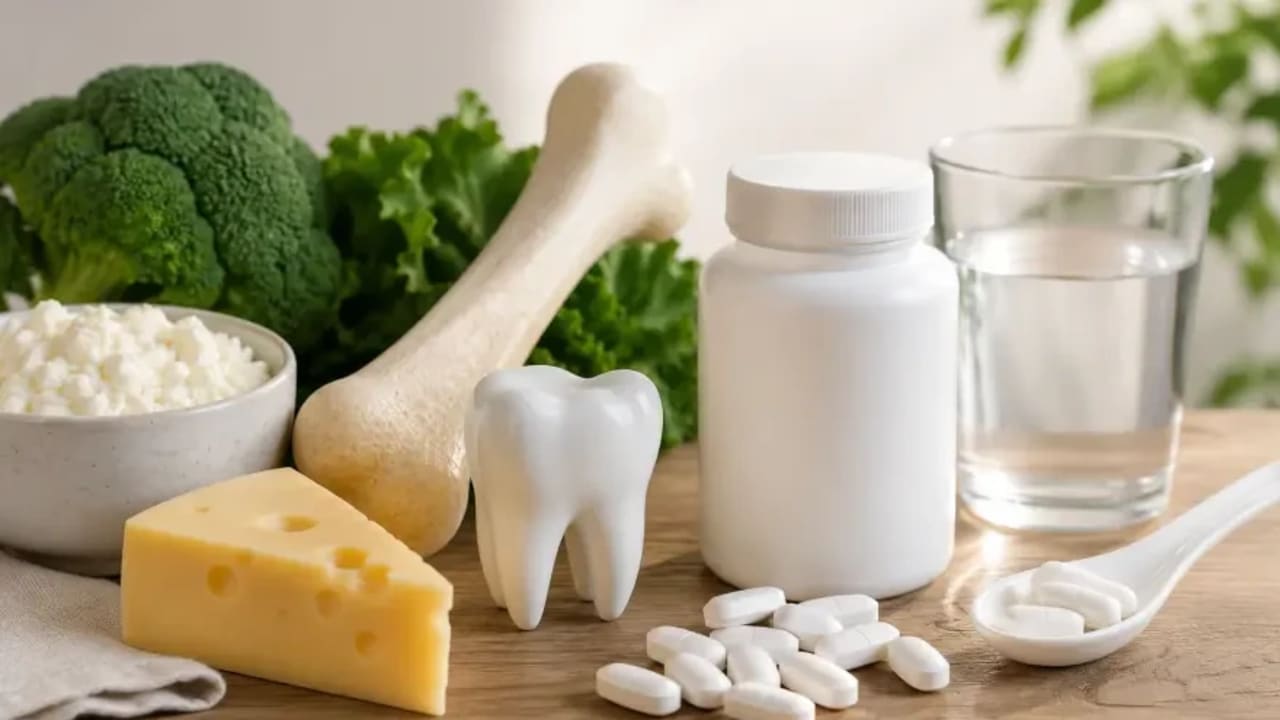
Why is calcium from food different from a supplement? Calcium from food arrives as part of a whole meal. It is absorbed more slowly, in smaller amounts each time, along with protein, fat, fiber, phosphorus, magnesium, and other components. Therefore, it does not typically create the same sharp and rapid increase in blood calcium levels as a concentrated supplement. This is also one of the reasons why professional recommendations today prefer calcium from food first and foremost
The International Osteoporosis Foundation states that dietary sources are the preferred option, and calcium supplements are intended primarily for those who fail to achieve adequate intake through diet and who are at an increased risk for osteoporosis. The foundation also notes sources such as dairy products, certain green vegetables, sardines with bones, almonds, fortified tofu, and calcium–fortified foods. In simple words: Cheese, yogurt, milk, tahini, sardines, almonds, fortified tofu, and some greens are not considered problematic in terms of arterial calcification for most people. On the contrary, a diet that contains enough calcium is important for maintaining bone, especially at an older age.
What do the studies say? Here begins the complexity. Let us go back a bit to a 2010 study published in the BMJ, a well–known meta–analysis by Bolland and colleagues, which found that calcium supplements without vitamin D were associated with an increased risk of myocardial infarction. The researchers emphasized that the increase in risk was moderate, but since calcium supplements are very common, even a small risk may be significant at the population level
A meta–analysis published in 2021 in Nutrients also found a link between calcium supplements and a certain increase in the risk of cardiovascular disease, especially among healthy postmenopausal women. According to the researchers, the risk increased by about 15% in the overall analysis, though this too is an analysis of existing studies and not definitive proof that every calcium supplement causes harm
On the other hand, not all professional bodies accepted the conclusion that calcium supplements are dangerous. In 2016, the National Osteoporosis Foundation and the American Society for Preventive Cardiology published a position statement stating that there is insufficient evidence that calcium, from food or supplements, increases cardiovascular risk in healthy adults, as long as the accepted upper intake limit is not exceeded. That is to say, calcium from food appears safe and even desirable; regarding high–dose supplements alone, a controversy exists, and in most cases, the decision should be personal and dependent on dietary intake, bone density, age, background diseases, medications, and blood tests.
The common mistake – taking calcium “just to be safe”: One of the problems is that many people take a calcium supplement without checking how much calcium they already get from food. If a postmenopausal woman needs about 1,200 mg of calcium per day, but her menu already contains roughly 900 mg, there is no logic in automatically taking another 1,000 mg in a pill. In such a situation, it may be enough to supplement only 300 to 400 mg, and sometimes it is even possible to reach the goal with a small change in the menu.The responsible approach is first of all to calculate: How many dairy products, tahini, almonds, greens, fortified tofu, or sardines are in the menu? Are there foods fortified with calcium? Is there a deficiency in vitamin D? Does osteopenia or osteoporosis exist? Is there a history of kidney stones? Is there kidney disease? All of these change the answer.
How should you take a supplement, if really needed? If, after a dietary calculation and tests, it turns out that there is a need for a supplement, it is generally better to supplement only the deficit and not to take a high dose “just in case.” In addition, the absorption of calcium is better in relatively small doses, and therefore it is usually not recommended to take 1,000 mg all at once. The International Osteoporosis Foundation notes that calcium supplements, when they are needed, are mostly recommended at a limited dose of 500 to 600 mg per day, and preferably in combination with vitamin D when necessary.
So what is the bottom line? Calcium from food is important, desirable, and safe for most people. It is part of a diet that protects the bones, especially at an age when the risk of a decline in bone density rises. Therefore, there is no reason to fear dairy products, tahini, almonds, fortified tofu, sardines, or green vegetables because of the word “calcification.” Calcium supplements are a different story: They are not necessarily dangerous, and there is no need to be alarmed by them when there is a real need, but it is also not advisable to take them automatically, or in high doses without need, or over the course of years without a clear reason. The correct approach is to check how much calcium is in the menu, supplement only the deficit, not take 1,000 mg all at once, and choose the type of supplement and the dose according to age, medical condition, medications, blood tests, and bone density.
For Dr. Maya Rosman’s course: How to <a href="https://healthylife7.com/most-weight-loss-drugs-do-not-improve-quality-of-life-review-finds/” title=”Most weight-loss drugs do not improve quality of life, review finds”>improve health and how to lose weight in a sane and logical way, click here
