



Growing up, AnnaMarie Fortuna was always an active child. She played softball and basketball and was also a cheerleader. But by the time she was in high school, she was no longer interested in team sports.
It was around this time, in 2010, when Fortuna’s dad caught wind of a Yale-based program promoting healthy lifestyles for local youth. It was called Bright Bodies, and it offered everything from physical activities to nutrition education.
Twice per week, Fortuna would attend sessions with other young people. Sometimes, they’d be in the classroom learning about processed food, carbohydrates, and sugar. Other times, they’d be outside jogging or playing basketball. “I did end up really enjoying a lot of what they had to offer,” Fortuna said.
Fortuna, who is now 31, enjoyed much of what the program had to offer. It helped her feel less alone, especially as a young person struggling with her weight. And she remains friends with some of the other people who participated in the program. “We were truly all in it together,” she said. “I really loved that.”
The Bright Bodies program was just one piece of a broader effort by Yale researchers who over the past three decades have sought to better understand the impacts of metabolic health early in life. Over that period they have partnered with more than 2,500 children and teens from across Connecticut, working to advance the understanding of which biological factors improve or worsen metabolic health in childhood
Today, that work continues through the Yale Legacy Collaborative, which is now calling on those children who’d been part of the program years ago — including Fortuna and her peers — to be part of the next chapter of this research
Filling a gap
During the 1980s and 1990s, obesity prevalence among children and teens tripled, from nearly 5% to about 15%, according to the Centers for Disease Control. This rise in body weights caused unprecedented increases in abnormal glucose tolerance, prediabetes, and Type 2 diabetes.
At the time, pediatric endocrinologist Sonia Caprio was trying to understand these trends. So she launched a clinic dedicated to these young people and their families, many of struggled with these and other health challenges
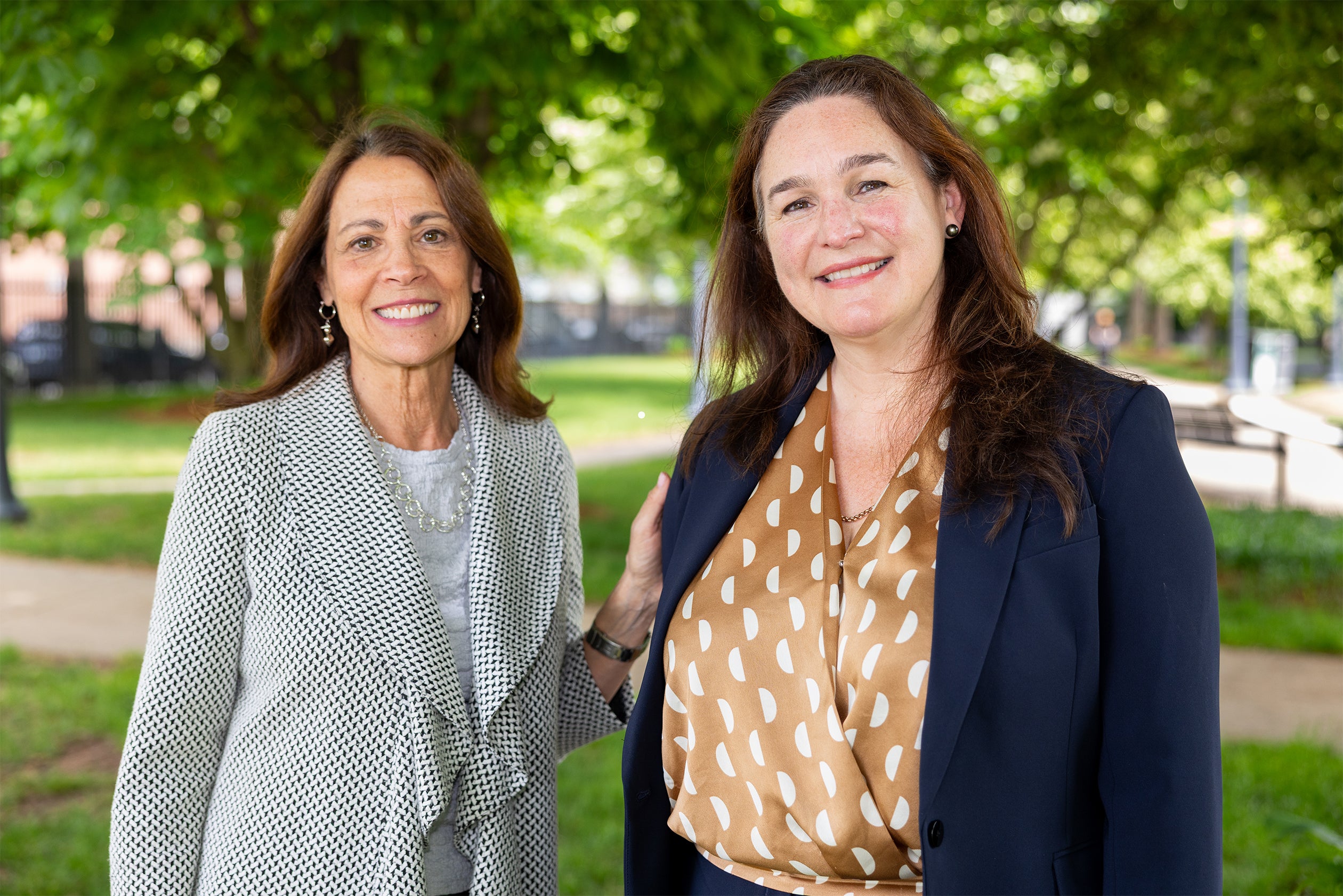
Caprio, who is now a professor of pediatrics (endocrinology) at Yale School of Medicine (YSM), wanted to answer an important question: Why are kids with obesity are developing Type 2 diabetes at a very early age? She wanted to understand the factors that go into having a higher risk of diabetes, from pancreatic function to liver fat to genetics.
She was able to secure federal funding for her research – work that has continued for over 30 years. And early on, she launched Bright Bodies, the weight management program for adolescents, alongside Mary Savoye, associate director pediatric obesity at YSM.
As director of the Bright Bodies program, Savoye worked closely with the young people. “I just remember feeling very seen by her,” Fortuna said. “I remember feeling like she really genuinely cared about everybody. To this day, I feel that she genuinely cares about how people are doing.”
During that time, researchers collected valuable insights on adolescent metabolic health, measuring everything from the level of insulin produced by participants to where in their bodies they stored fat. The researchers also gathered important information about family and pregnancy histories which helped them better understand risk factors for diabetes and other health conditions.
“There are very few pediatric studies like this where you can actually follow children longitudinally like we are going to be doing and finding out what happened possibly as a result of something from childhood,” Savoye said. “It’s a very unique opportunity.”
The Yale Legacy Collaborative research project is led by Clare Flannery, an associate professor of obstetrics, gynecology and reproductive sciences and of medicine (endocrinology) at YSM. And when they call the project a “collaborative,” Flannery says, they mean it. Organizers want participants to have a voice in shaping the questions and research that impacts their lives, she says
“The idea behind the collaborative is to invite people back and for them to tell us about what’s going on with them,” she said. “We’re anticipating that there are many health issues. The hope is that when people tell us what’s not going well with them, that will help us design studies to actually figure it out.”
There are very few pediatric studies like this where you can actually follow children longitudinally like we are going to be doing and finding out what happened possibly as a result of something from childhood
Mary Savoye
Researchers have already reached out to former participants, the majority of whom are now between the ages of 25 and 35. About 65% of them are based in New Haven County. Very few of the former participants opted out of the invitation to be part of the Yale Legacy Collaborative, which now includes 2,565 participants.
And Flannery and her team have already hosted two listening sessions, one of which included 10 people who were asked about their experiences with the Bright Bodies program and what it was like to participate in research so early in their lives.
Younger participants in adolescent metabolic health studies, including those who were part of the Bright Bodies researchers, undergo a level of testing that goes far beyond what’s conducted in the regular doctor’s office; examinations might include genetic testing to determine whether they are vulnerable to diabetes or fatty liver, detailed imaging of the abdomen, and tests on the hormones made by adipose tissue. So to be able to follow up with these individuals offers a rare opportunity to investigate whether certain conditions during childhood can affect later health outcomes, including the development and management of diabetes, she said.
“It’s unusual to have access to this much kind of longitudinal information,” Flannery said.
With the adolescent metabolic health studies, the research offered insights into how young bodies respond to sugar and insulin. With the Yale Legacy Collaborative, researchers hope to understand even more, including whether early-life factors predict Type 2 diabetes, how life events such as pregnancy affect risk, and what protects against or increases the chances of conditions like high blood pressure, sleep apnea, infertility, and certain cancers occurring in young adults
As children, these participants made a meaningful contribution to the understanding of the biological factors underlying metabolic health, Flannery says
And now they can do so again

Interview
Gut check: What the digestive system means for our overall health

Digital Realm
How many LLMs does it take to reason through a decision?

Discoveries
How autistic brains process faces differently
Jul 17, 2026
Profile
Microbial warfare: Joseph Mougous and the aggressive biology of bacteria
Jul 17, 2026
