



…
BySheridan Hanson
Newsweek is a Trust Project member
See more of our trusted coverage when you search.to see more of our trusted coverage when you search.
Aging populations are putting one of health care’s oldest assumptions under pressure: living longer is no longer enough if those additional years are marked by chronic illness, declining mobility and reduced independence. Research estimates that by 2050, the global population aged 60 and older will nearly double to 2.1 billion people, placing unprecedented pressure on health care systems already grappling with rising rates of cardiovascular disease, diabetes, dementia and other age-related conditions.
The economic consequences are becoming just as significant. Chronic diseases account for roughly 90 percent of the United States’ annual health care expenditure, while global health care spending continues to climb as populations live longer with complex medical needs
Those figures are prompting policymakers, health care providers and private investors to rethink a model that has historically rewarded intervention after illness rather than preserving health before it begins to decline
The shift can already be seen across the health care economy. The global wellness market has reached $6.8 trillion, while the longevity sector is projected to exceed $33 billion this year as investment pours into preventive medicine, biomarker testing, personalised health care and regenerative medicine
Health care is increasingly moving away from asking how long people can live and toward a different question altogether: how many of those years can be lived in good health?
Part of that change has come from consumers themselves. A pandemic that sent millions of people home with time to scrutinize their own health accelerated a growing appetite for medical research, second opinions and preventive care. Clients are arriving at consultations with more questions, greater expectations and a willingness to invest earlier in maintaining their health rather than waiting until symptoms dictate the next step
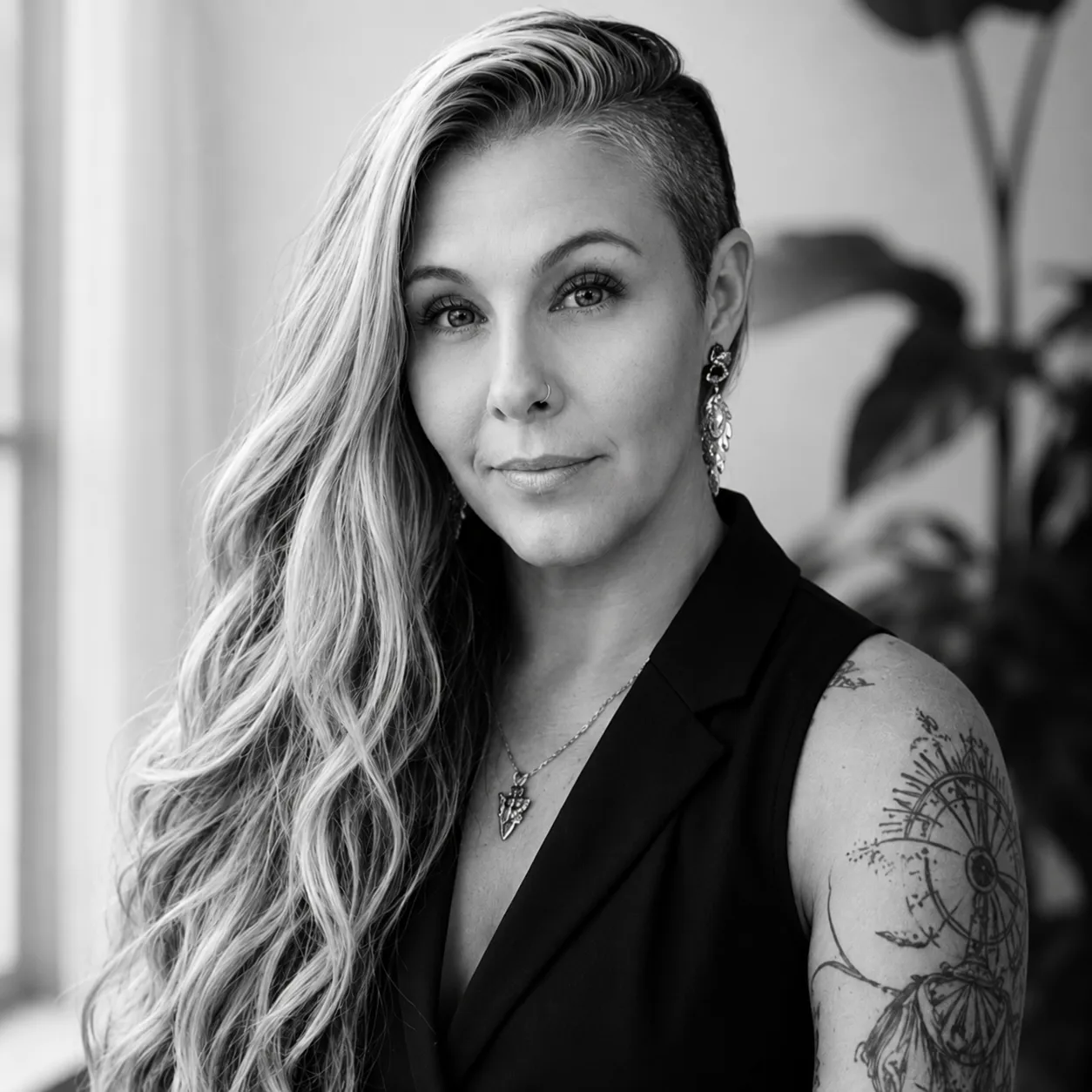
Dr. Andréa Mosca, a health care professional with more than 26 years of experience in military medicine, believes this changing mindset represents one of the most significant transformations in modern health care. After years of working within traditional medical systems and later experiencing chronic pain and injuries herself, Mosca became an advocate for a more proactive approach focused on long-term wellness and evidence-based health support
“We’ve normalized feeling exhausted and disconnected from our bodies. That doesn’t mean it’s normal,” she says. Mosca’s perspective comes from spending decades inside health care, both as a provider and as a patient
…
During her military career, she worked as a Nationally Registered EMT and ICU technician, witnessing the realities of emergency medicine and the consequences of waiting until health problems become severe. Her own experiences with injuries and chronic pain eventually changed how she viewed health care. She explored conventional approaches but struggled to find lasting solutions. Discovering regenerative medicine introduced her to another side of health care, one that focused on supporting the body’s natural ability to restore function.
The experience, she notes, reshaped her professional path and strengthened her belief that prevention must become a larger part of the health care conversation. “You get to a point where you realize that drugs and surgery are not always the answer,” Mosca says. “Prevention is the future by staying proactive and not reactive. Taking action ahead of time instead of waiting to fix a problem is always easier.”
In her view, the growing interest in longevity hints at a transformation in client behaviour. Health care consumers, she notes, are becoming more engaged and seeking approaches that support long-term health instead of only addressing immediate concerns
Still, she argues that education remains one of the biggest challenges facing regenerative and longevity medicine. Mosca believes many clients and health care professionals still lack access to comprehensive information about the science, standards and responsible practices surrounding these emerging fields
A major misconception, she notes, is assuming every regenerative approach follows the same process or offers the same level of quality. Clients need accurate information, trusted resources and guidance to make informed decisions about their health. “A lot of people are not aware this option exists and are only being offered traditional solutions geared towards drugs and surgery,” Mosca says. “There is a lack of education within the industry, and it’s important to know whether or not it’s a good fit for the client and their current and future health goals.”
In Mosca’s view, longevity cannot be separated from a person’s broader lifestyle. She believes health support requires looking at the entire individual rather than focusing only on one symptom. Nutrition, movement, sleep, hormones and mindset all factor into recovery, and she treats mindset as more than a soft variable
Mosca’s commitment to whole-body health ultimately led her to join White Glove Wellness®. She found a strong alignment with CEO Michael Cantrell’s belief that today’s health care system too often reacts to disease rather than helping people reduce risk before serious health challenges and chronic illnesses develop. Equally important to Mosca was the company’s commitment to operating within a rigorous compliance framework while advancing innovative wellness services responsibly
At White Glove Wellness®, this philosophy shapes a concierge health care model built around personalized health support protocols, education and ongoing client engagement. The company provides in-home care designed to meet clients where they are while helping them understand their own health journey. Hospitals, she notes, are full of people seeking treatment; a familiar environment, like someone’s home, free of clinical anxiety, tends to produce calmer clients and better outcomes (as confirmed by research by the University of Oxford).
Mosca emphasizes that a health support protocol represents only one part of maintaining wellness. Nutrition, movement, recovery, mindset and daily habits all contribute to long-term outcomes. “You can have the best health support protocol in the world, but that’s only one piece of the puzzle,” she says. “How are you eating? How are you moving your body? How are you taking care of your brain? All of those things matter when we talk about whole-body health.”
Education is also central to the approach of White Glove Wellness®. Mosca notes that clients are provided with research reoptions and remain engaged throughout the process
She believes health care must evolve from occasional intervention toward an ongoing relationship between providers and clients. The concierge model, she says, allows health care professionals to better understand the individual behind the health concerns. “Our philosophy is simple: people come before protocols. We believe exceptional care begins with listening, educating and placing our clients’ goals and well-being at the center of every decision,” she says
In the coming years, Mosca believes a longevity mindset could eventually influence how people approach health care investment, shifting attention toward maintaining wellness before serious problems appear. She argues that health should be viewed as a lifelong priority rather than something addressed only after decline begins. “True wealth begins with health. The most meaningful return on investment isn’t found in the markets—it’s found in having the vitality, strength and longevity to fully enjoy the life you’ve worked so hard to build. When you invest in your health, you’re investing in every chapter that follows,” Mosca says.
The future of health care, in her view, may not be defined by adding more years to human life. Its measure may come from how many of those years people spend with independence, mobility and the ability to fully experience life as it’s meant to be in the first place
Request Reprint & Licensing
View Editorial & AI Guidelines
