


HealthNews Exchange
1 Drugs Show Promise, But Researchers Question Lifelong Use, Prescriptions for Children, and Cost Barriers
BySunita Sohrabji
Jul 28, 2026
Latest Content
Author Related
Four years ago, journalist and political strategist Jasmyne Cannick wasn’t chasing the latest GLP-1 weight-loss trend. She was trying to avoid diabetes
At 5-foot-6 and about 250 pounds, Cannick said her Kaiser physician recommended Ozempic after warning she was close to developing the disease. At the time, she knew little about GLP-1 medications
“I didn’t jump on GLP-1s because they were trending and everyone was talking about them,” she said July 24 during an American Community Media news briefing. “I didn’t even know what Ozempic was.”
Today, after switching from Ozempic to Zepbound, Cannick has lost about 65 pounds. Her A1C has improved. Her sleep apnea has eased. She plays tennis several times a week. She says she feels healthier than she has in years
‘Not a cure-all’
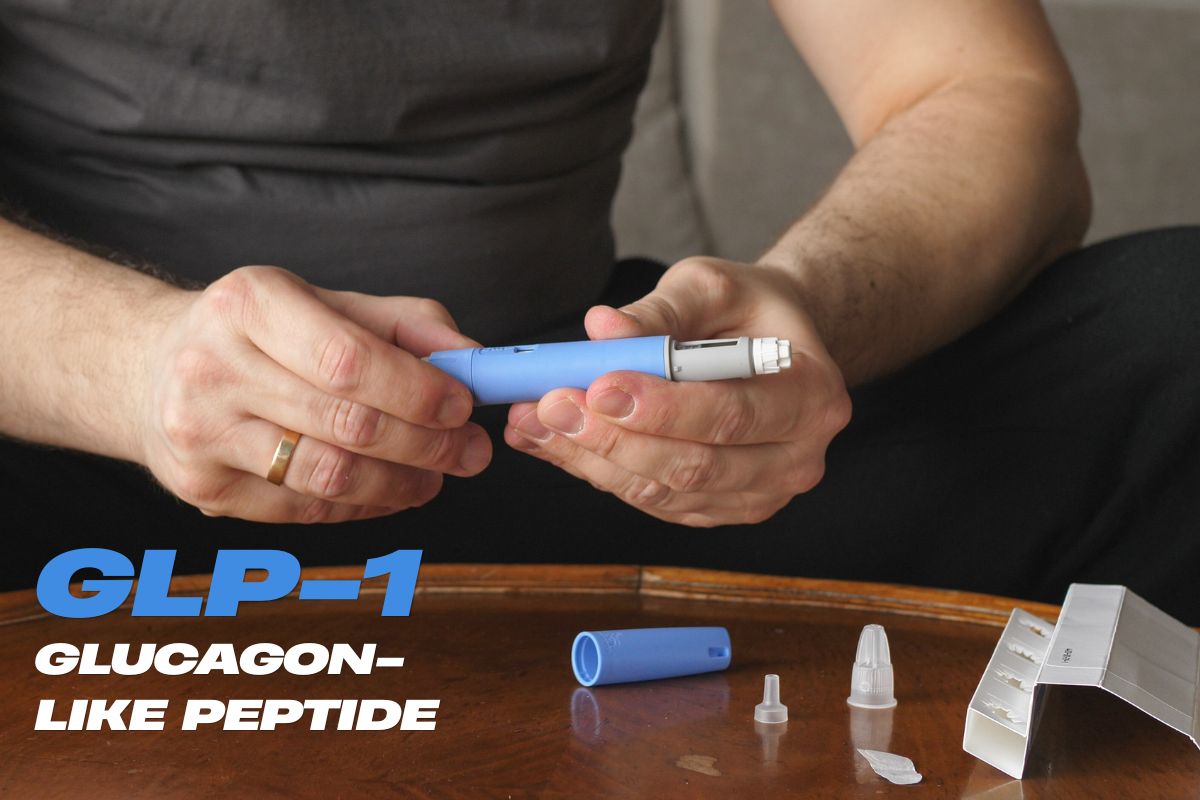
Cannick’s experience with GLP-1s has largely been positive. But for the 29 million Americans who currently take a semaglutide — Ozempic or Wegovy — or a terzapetide — Mounjaro or Zepbound — the results are mixed. More than half drop off after a year, for a medication that requires lifelong use to keep the weight off. And once they drop off, the weight overwhelmingly returns
Researchers participating in the briefing agreed that GLP-1 medications have transformed obesity treatment. They also agreed the drugs are not a cure-all. Patients still need lifestyle changes. Access remains unequal. And the impact to children is yet unknown. The medications are prescribed to children as young as 12
Almost 40% of Americans struggle with obesity. 1 out of 5 children also have obesity
Biological changes
Dr. Jenna Shaw Tronieri, senior research investigator at the University of Pennsylvania’s Center for Weight and Eating Disorders, said GLP-1 medications work because they change biology, not simply behavior
“Your body’s biology is not designed to help you with weight loss,” she said. “It’s much better equipped to help prevent against starvation.”
Historically, she explained, humans survived by storing extra calories whenever food was available. That biology remains today
“So really it’s relatively easy for us to eat a little bit extra,” she said. “But relatively hard to eat less than we want.”
‘Food noise’
GLP-1 medications reduce hunger and the constant thoughts about eating that many patients describe as “food noise.”
“I’ve had some patients say to me that they didn’t even realize how constantly they were thinking about food throughout the day until they started the GLP-1 medication and that food noise was suddenly gone,” Tronieri said
Her team recently followed patients taking semaglutide for 60 weeks. Participants receiving the medication consistently consumed 240 to 290 fewer calories during laboratory meals than those receiving a placebo, even after their weight loss slowed
One finding surprised the researchers. Patients eventually reported hunger levels similar to those taking placebo. Yet they continued eating significantly less
Stopping treatment
The study suggests that although people may feel hungrier over time, the medication continues helping regulate food intake
That distinction could become important because many patients stop treatment
Numerous studies conclude that roughly half to two-thirds of patients discontinue GLP-1 medications within a year. Those who stop regain about two-thirds of the weight they lost during the following year
Many patients blame themselves, Tronieri said. They shouldn’t
“I think it’s actually really important for people to know that this is normal and expected,” she said. “While there is a small minority that can maintain their weight loss after stopping the medication, it is average that people will experience weight gain, and it’s not anything that the person is doing wrong.”
‘Obesity is not a failure of willpower’
Dr. Fatima Cody Stanford, associate professor of medicine and pediatrics at Harvard Medical School, urged a rethink of obesity. She declines to use the word obese when referring to her patients, choosing instead the phrase “with obesity.”
“Obesity is a disease of energy regulation,” she said. “It is not a failure of willpower.”
She said genetics, hormones, chronic stress, sleep, food insecurity, neighborhood design, healthcare access and the food environment all shape a person’s weight
“The truth is, for most people living with obesity, it is both,” she said. “An internal biology interacting with an external world that’s often not built with their health in mind.”
Cody Stanford also focused on access
Cost barriers
She praised Medicare’s new GLP-1 Bridge Program, which lowers monthly costs for eligible beneficiaries to about $50 if their Part D plans do not already provide coverage. The Bridge Program, however, ends in December, 2027
The researcher warned that prior authorization requirements and uneven Medicaid participation could also leave many patients behind
“Communities with less consistent access to primary care are the ones most likely to fall through the cracks of a program that on paper is supposed to help them,” said Cody Stanford. Many patients simply cannot afford deductibles or copays for medications that can otherwise cost $900 to $1,300 per month,” she added
“The major issue that we’re running into is that these medications are cost prohibitive to the patients that are most likely to glean benefit,” Stanford said. “Patients from lower socioeconomic position, who seem to have the highest burden of disease, are not getting access to these agents.”
Impacts to children are still unknown
Pediatrician Dr. Dan Cooper, professor emeritus at UC Irvine, urged caution when prescribing the medications to children and adolescents
Adolescence represents a unique period of growth. Bones, muscles and brains are still developing, he said. “We have to be really, really careful and thoughtful about using these medications in children and adolescents,” said Cooper, noting that the long-term impacts of years of treatment in children are yet unknown
“So now we’ve got a drug that we’re going to give to adolescents for who knows how long that is flooding a receptor in a developing brain,” he said. “I don’t know what the long-term consequences are.”
Children receiving GLP-1 medications should also receive intensive nutrition and physical activity support, he said, advocating for life coaching and access to parks
“If we don’t do that, then I think it’s ethically wrong to put kids on these medications alone,” stated Cooper
‘More than just being skinny’
Cannick said lifestyle changes have remained central to her own experience
She still exercises regularly. She has changed how she eats. But whether she remains on GLP-1 medications for life remains uncertain
“I’m still trying to figure that one out,” she said. “I definitely don’t want it to be a lifetime commitment for my wallet.”
“There’s a story behind everyone who takes these medicines,” she said. “It’s not just because we all want to be skinny.”
