


More than half of all <a href="https://healthylife7.com/prescription-weight/” title=”Prescription weight”>prescriptions are in their 20s and 30s Overpassing the prescription volume of high-cost prescriptionsThe government’s ‘misuse management’ review
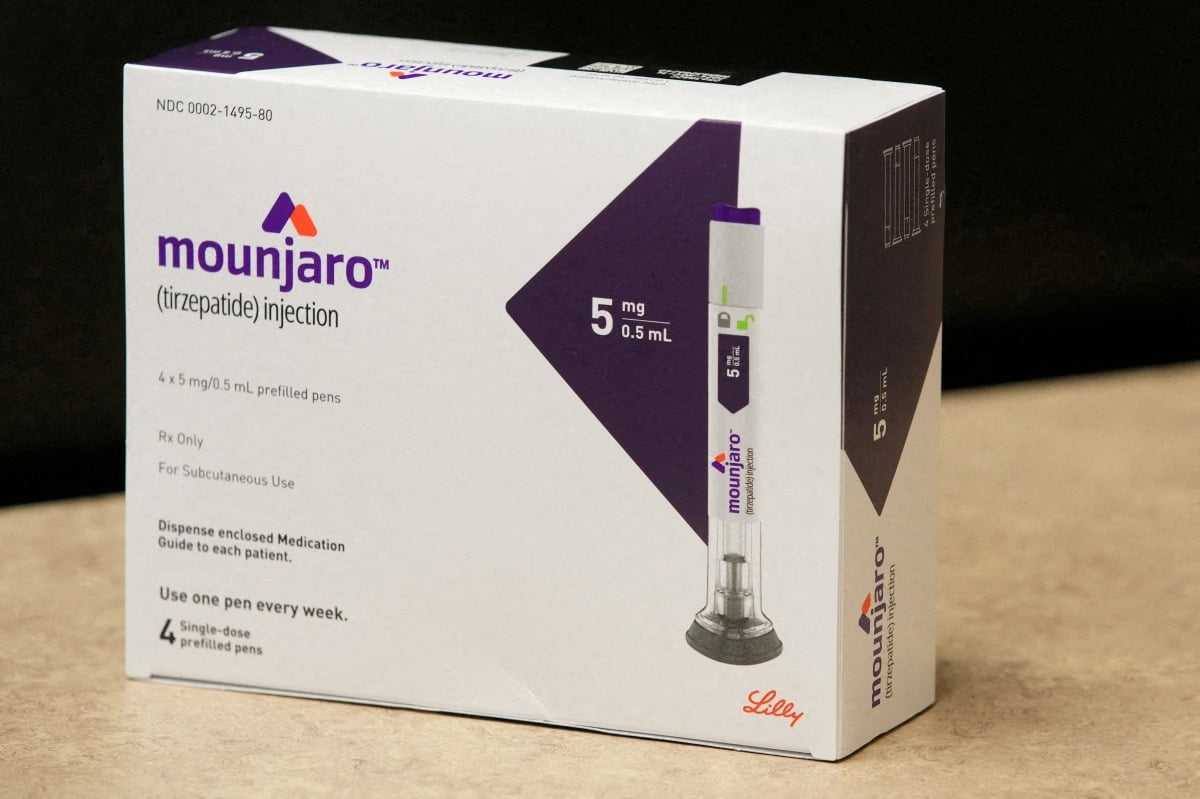
More than 1.5 million obesity treatments have been prescribed within 10 months of their release in Korea. While more than half of the prescriptions are concentrated in their 20s and 30s, the number of prescriptions for teenagers is also increasing rapidly, raising concerns over misuse
According to the Drug Safety Service (DUR) data submitted by Han Ji-ah, a member of the National Assembly’s Health and Welfare Committee, on the 29th by the Health Insurance Review and Assessment Service, a total of 1.51,161 cases of Maunzaro were prescribed for 10 months from its launch in Korea to May this year
This figure is the details of the medical institution completing the inspection with the DUR system to prevent duplicate prescriptions of drugs. Mountaineer and Hugo Bee are non-paying drugs, and it is difficult to accurately count prescriptions, so they are checking the trend of prescriptions through the number of DUR checks
The amount of Maunzaro prescriptions increased about 14.7 times from 18,579 in August last year, the first month of its launch, to 273,140 in May this year
In detail, the proportion of prescriptions in their 30s was the largest at 36%, followed by those in their 40s (27.1%), those in their 20s (16.9%), and those in their 50s (14.6%)
Teen prescriptions are also on the rise rapidly. The number of teen prescriptions, which was only 82 per month at the beginning of its launch, exceeded 1,000 in December last year, and increased from 1,739 in January this year to 2,594 in May. This year alone, it has increased by about 1.5 times
The cumulative prescription for WeGovi, which was introduced about 10 months before its release in Korea, has also exceeded. Since its launch in October last year, a total of 1,228,867 prescriptions have been prescribed until May this year, and 46.4% of all prescriptions have been concentrated in their 20s and 30s
The medical community points out that GLP-1 obesity treatments Maunzaro and Hugo Bee were originally developed for the purpose of treating diabetic or highly obese patients, but the number of prescriptions for cosmetic purposes is increasing as they have recently been recognized as “fat-loss drugs.”
The government is also considering designating GLP-1-based obesity treatments as “drugs of concern for misuse.” As separate management is currently limited in the prescription and distribution process, there is a growing voice that it is necessary to prepare a management system to prevent indiscriminate use of patients who do not meet the standards for adolescents and obesity
Han Ji-ah, a lawmaker, said, “Even though the number of Manjaro prescriptions has exceeded 1.5 million in 10 months since its launch, the government’s measures are only at the level of attaching a warning phrase of ‘concern of misuse,'” adding, “It is necessary to shift the management of GLP-1 obesity treatment from ‘distribution management’ to ‘prescription management’ using DUR to prevent misuse of adolescent and beauty purposes while guaranteeing patients’ treatment opportunities.”
