


Australian women’s wine tours: self-care relief with risks | The Senior | Senior
Ad
News Home
Home/News
New research reveals why more women over 50 are drinking at risky levels
ByCarla Mascarenhas
UpdatedJuly 29 2026 – 9:10am, first published6:15am
ByCarla Mascarenhas
UpdatedJuly 29 2026 – 9:10am, first published6:15am
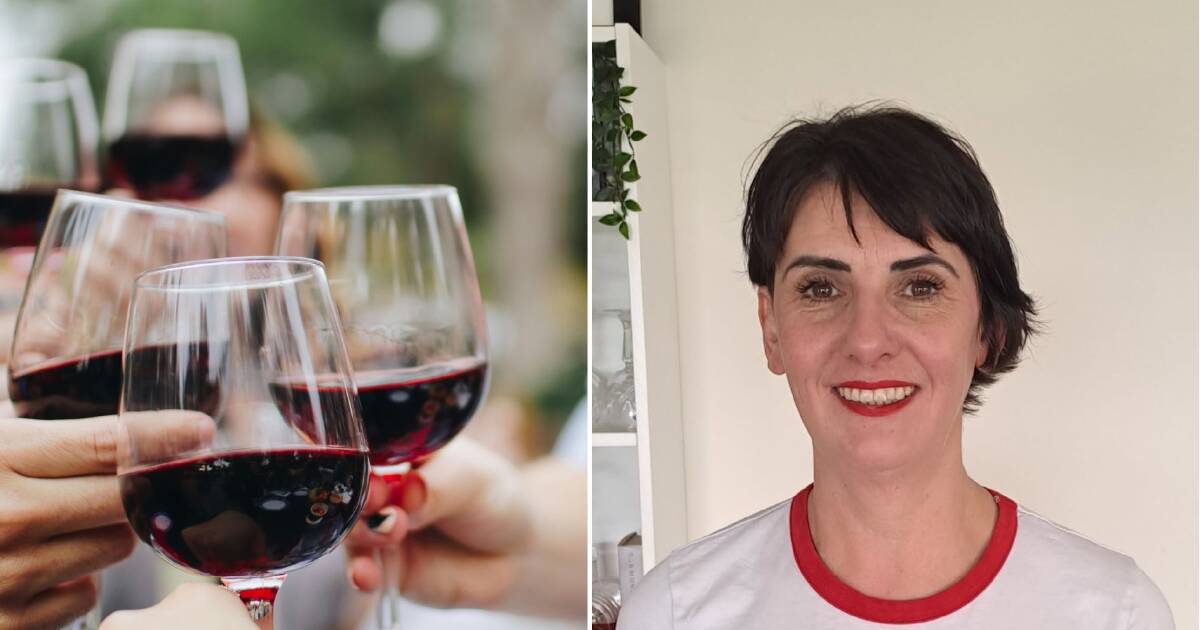
University of Adelaide PhD student Janine Aujard says wine tours are becoming increasingly popular for middle-age women. Pictures from Unsplash/
Kelsey Knight and supplied
Risky drinking among Australian women in their 50s has risen sharply over the past decade, and researchers believe the growing popularity of organised wine tours may help explain why
Create a free account to read this article
New Adelaide University research, published in the Journal of Leisure Research, found organised wine tours were becoming increasingly popular among women, offering a temporary respite from the constant decision-making that often comes with juggling work, family and caring responsibilities
Health experts say the findings underscore an important challenge: while taking time out is essential, increasingly linking self-care with alcohol may carry significant long-term health risks, particularly for women over 50
Lead researcher Janine Aujard told The Senior the tours were consistently referred to by the participants as ‘me time’
“A temporary respite of sorts from their everyday demands, responsibilities and life, enforced by the persistent cultural expectation that women should prioritise others’ needs above their own,” Aujard said
The women said the trips were rarely just about drinking wine
Instead, they described them as an opportunity to escape the mental burden of managing household logistics, coordinating schedules, anticipating family members’ needs and constantly solving problems
“Wine tours, with their pre-planned itineraries and organised transportation, offer respite from this cognitive burden,” she said
Current Australian alcohol guidelines
- No more than 10 standard drinks per week.
- No more than four standard drinks on any one day.
- Older adults may find their tolerance decreases with age, although the national guidelines are the same for all adults.
Risky drinking on the rise
The findings come as national data shows risky drinking is becoming increasingly common among women in their 50s
According to the National Drug Strategy Household Survey, the proportion of women aged 50 to 59 drinking at risky levels increased from 23 per cent in 2010 to 37 per cent in 2022
Over the same period, the proportion of men in the same age group engaging in risky drinking fell from 48 per cent to 37 per cent
Dr Amy Pennay, deputy director of La Trobe University’s Centre for Alcohol Policy Research, said the findings reflected a broader shift in drinking habits among Australian women
“Previous generations, you peak your drinking when you’re a young adult and then it slowly declines as you get older,” she said
“The recent generations aren’t declining as they get older in the same way
“Those of us from Generation X, and maybe the generation before, once we get to the 40 or 50-year-old stages, we’re not reducing our drinking in the way that you might expect previous generations to have done
“It’s particularly pronounced for women.”
Pennay said many women were now balancing paid work with caring responsibilities well into midlife while also placing greater value on spending time with friends
New research reveals why more women over 50 are drinking at risky levels
“They get to a point of life where they’re really cherishing relationships with friends,” she said
She said the challenge was that alcohol had become closely linked with both social connection and stress relief
“You can’t underestimate the wellbeing effects of hanging out with friends and doing things for yourself,” Pennay said
“At the same time, alcohol is a toxin. It’s a hard line to walk.”
Long-term health risks
Pennay warned the health consequences of regular drinking often emerged later in life
“Liver cirrhosis peaks in the late 50s and 60s, and that’s an accumulation of drinking over time,” she said
“Any reduction in drinking is going to reduce your chance of liver cirrhosis
“Unfortunately, it’s one of those things that’s irreversible.”
Alcohol is now linked to a growing list of chronic conditions, including heart disease, stroke, dementia and several cancers
“As we get older, our risk of those diseases increases naturally. If we add alcohol, smoking, obesity or physical inactivity, we’re increasing that risk even further,” she said
Self-care without alcohol
The Royal Australian College of General Practitioners (RACGP) social prescribing chair Dr Kuljit Singh told The Senior the study highlighted an important message: women need opportunities to care for themselves, but alcohol does not have to be part of the equation
“I’m not surprised. I think that’s the way we’re heading, and there’s much more evidence emerging about the health effects of alcohol,” she said
“Self-care is really important for everybody, but especially for women over 50 who are often juggling multiple responsibilities and going through major life transitions.”

Dr Kuljit Singh. Picture supplied
She said the real benefit wasn’t the wine tour itself
“It’s taking time out for yourself and doing something that fills your cup,” she said
Dr Singh encouraged women to seek out other forms of “social prescribing” – activities that deliver the same benefits of connection and relaxation without relying on alcohol
“Ideally, spend time in nature, connect with other people and include some physical activity,” she said
“Those things all have proven health benefits
“There are so many ways to practise self-care. It could be a walk on the beach, a painting class, a parkrun or sharing a meal with friends.”
Newsletters & Alerts
View all

Twice weekly
The Senior newsletters
Stay in the know on news that matters to you with twice weekly newsletters from The Senior
Advertisement
Ad
Advertisement
Ad
