


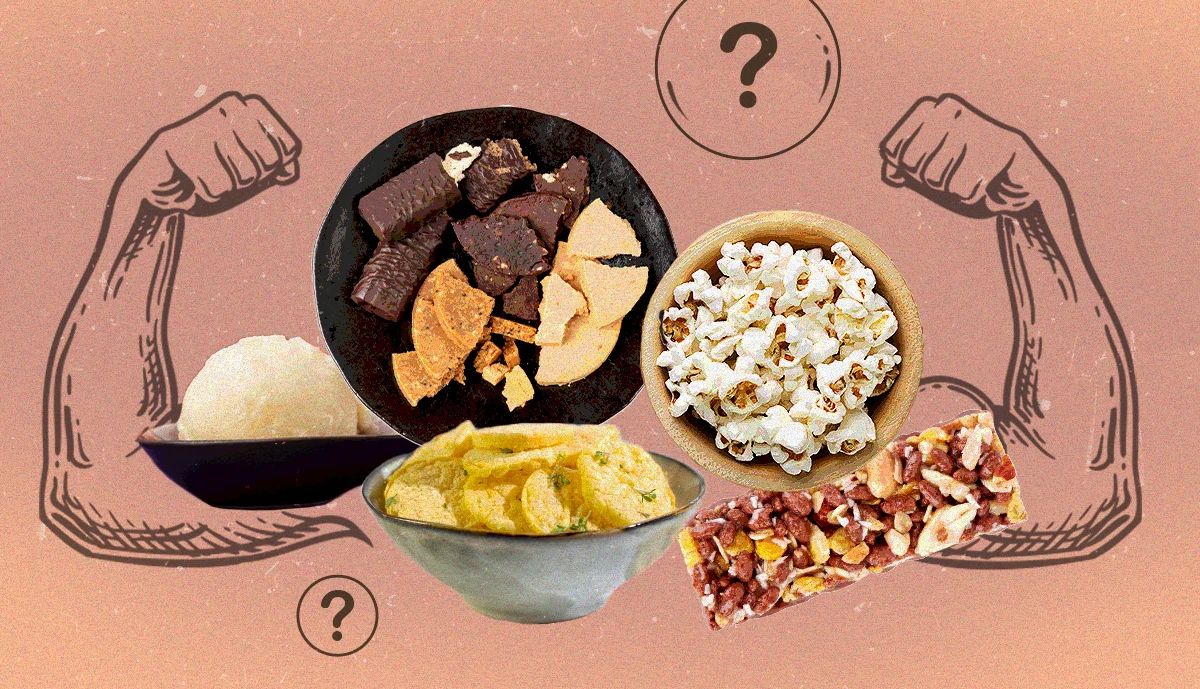
Added protein is showing up in places it never used to
Popcorn. Chips. Waffles. Cereal. Cookies. Toaster pastries. Ice cream
More Ways to Benefit
View All
- Related Benefit 1
- Related Benefit 2
- Related Benefit 3
- Related Benefit 4
- Related Benefit 5
Many of those foods already contain small amounts of protein from grains, dairy, nuts or seeds. What’s newer is the fortification: Manufacturers are adding extra protein, often in the form of protein concentrates or isolates, then putting that number front and center on the package
For adults age 50 and over , the pitch can sound useful. Protein helps maintain muscle, which supports strength, mobility and independence. And many older adults do fall short: The National Council on Aging (NCOA), citing an analysis of National Health and Nutrition Examination Survey data, says roughly 1 in 3 adults age 50 and over do not get the recommended amount of protein. The NCOA says the general adult recommendation is about 0.36 grams of protein per pound of body weight per day, while adults 65 and older should aim for about 0.45 to 0.54 grams per pound per day. But touting added protein can also make a cookie, chip or frozen dessert sound healthier than it is.
“Protein fortification is a tool, not a shortcut to good nutrition,” says Amy Nichols, an assistant professor of nutrition at UC Davis and a spokesperson for the Academy of Nutrition and Dietetics
Nichols says protein-fortified foods can help some older adults who have trouble getting enough protein because of reduced appetite, dental issues or chronic health conditions. But fortified foods should not replace more naturally nutrient-dense foods
“Protein-fortified snacks should complement, not replace, nutrient-dense meals and snacks,” Nichols says. “Ideally, choose options that provide other beneficial nutrients in addition to protein, such as fiber, vitamins and minerals, while making protein-rich whole foods the foundation of the diet.”
That does not mean every choice has to be perfect
“In these scenarios, eating the ‘perfect’ food shouldn’t get in the way of getting enough protein,” Nichols says
Still, the protein amount should not be the only number that matters
“Some protein-fortified products are high in added sugars, sodium or saturated fat, so it’s important to look beyond the protein claim and consider the overall nutritional profile of the food,” Nichols says
What does “high protein” actually mean?
Start with the wording
“High protein” means something specific on a food label, says Jen Bruning, a registered dietitian and spokesperson for the Academy of Nutrition and Dietetics
As the Food and Drug Administration notes, the Nutrition Facts label is the box on the back or side of a package that lists calories, protein, fiber, added sugar, sodium and other nutrients. The Daily Value tells you how much one serving contributes toward a full day’s worth of that nutrient
On food labels, “high protein” has a specific meaning. The FDA generally requires a food to provide at least 10 grams of protein to make that claim.
“The use of ‘high protein’ on a label means that one serving as listed on the product nutrition label will provide at least 20 percent or more of the Daily Value, typically 10 grams or more of protein,” Bruning says
“Protein added” tells you less
“ ‘Protein added’ is more ambiguous. It simply means extra protein has been added to this food,” Bruning says
