


Asheville VA recruits veterans for national GLP-1 trial to treat alcohol use disorder
Fri, August 21, 2026 at 6:37 PM
 3VIEW ALL PHOTOS
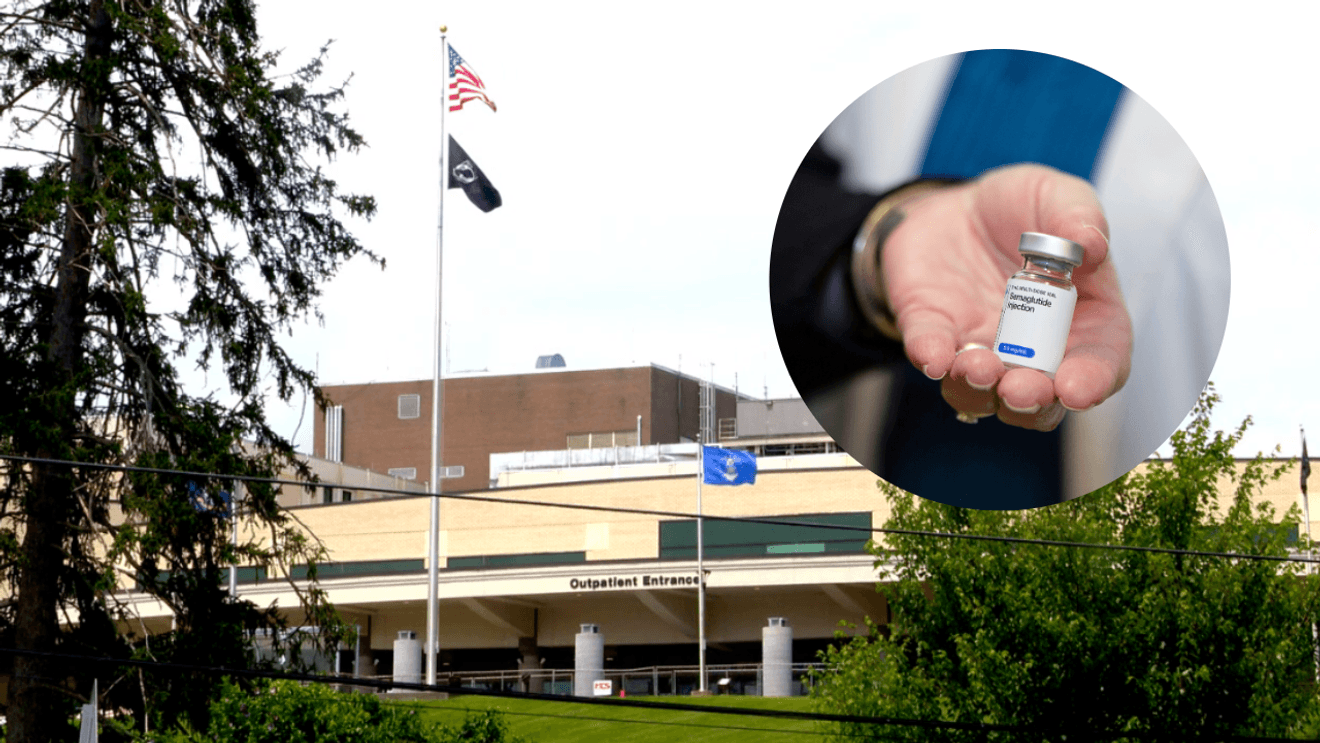
Patient Lory Osborn holds Semaglutide with Dr. Laura Davisson, director of the Medical Weight Management at West Virginia University in Morgantown, W.Va. (AP Photo/Kathleen Batten) | Charles George VA Medical Center, located in Asheville, N.C. (Photo credit: WLOS Staff)
ASHEVILLE, N.C. (WLOS) —The Charles George VA Medical Center in Asheville is now recruiting veterans for a nationwide clinical trial testing whether semaglutide, a GLP-1 drug best known for diabetes and weight loss, could become a new treatment for alcohol use disorder
The medical center is one of 18 sites participating in the CRAVE trial and one of six already up and running. Dr. Brandon Corbett, a psychiatrist and lead site investigator in Asheville, told News 13 the local team launched about two weeks ago after preparing for nearly a year
“We are actively recruiting, and we have a lot of people showing interest,” Corbett said
News 13 interviewed Corbett about why researchers believe semaglutide could potentially affect drinking
“These medications are known in the space of weight loss and diabetes, but early research, including research done at VA, suggests that semaglutide, a GLP-1 receptor agonist, may impact the brain pathways involved in craving and reward,” Corbett said.
He said previous studies found reduced drinking among some people taking GLP-1 medications for diabetes or weight loss
ASHEVILLE VA SELECTED FOR NATIONAL GLP-1 TRIAL TO TREAT ALCOHOL USE DISORDER IN VETERANS
“There’s been some big retrospective studies that have shown that people taking these medications, known for diabetes and weight loss, and prescribed in that case for this, that they reduced their drinking,” Corbett said
Those findings helped inspire the CRAVE trial
How the trial works
The Phase 3 trial is seeking at least 600 veterans nationwide
Researchers are looking for veterans ages 18 to 80 who have a current diagnosis of alcohol use disorder and want to reduce their drinking. Corbett said the Asheville team is especially seeking women
Not everyone who applies will be selected. Those enrolled will receive either semaglutide or a placebo, with about half receiving each. Participants will receive an injection once a week for about six months and meet regularly with the treatment team
“They would meet with our treatment team for regular check-ins during the course of about six months,” Corbett said
CONSTRUCTION ON NEW ASHEVILLE VETERANS CAMPUS TO BEGIN NEARLY 2 YEARS AFTER HELENE
Participants will be taught how to give themselves the injections at home. The medication can be mailed to them or picked up in person
Study visits, medication and assessments are provided at no cost. Corbett said participating veterans will also be compensated for their time and travel
“Studies like CRAVE matter because without them, we don’t know how these medications work,” Corbett explained.
Why veterans?
Corbett said more than 400,000 veterans nationwide have alcohol use disorder
“Veterans also experience unique stressors, and that puts them at higher risk for developing substance use disorders,” Corbett said
Corbett works directly with veterans with alcohol use disorder through the VA’s substance use disorder clinic
“I get to work with people when they are at their most vulnerable, and my reward is to relieve a small amount of their suffering,” Corbett said
He said there has not been a new medication approved to treat alcohol use disorder in more than 20 years
VA ANNOUNCES LAUNCH OF GLP-1 TREATMENT TO HELP VETERANS STRUGGLING WITH ALCOHOL
Laura Tugman, chief of the mental health service at the Charles George VA Medical Center, said the potential impact could extend beyond veterans
“We don’t know the results yet,” Tugman said. “It could be another avenue to recovery.”
Tugman said the VA has a history of research that has affected medical care beyond the veteran population
“VA has a long history of really significant developments through their research that have impacted not just veteran care, but care for everyone across the country,” Tugman said
What happens next?
Researchers expect to recruit veterans for about two years, while the overall trial is expected to last about four years
If the results are positive, Corbett said they could support Food and Drug Administration approval of semaglutide for a new use
“Should the results be positive, the FDA could approve this for a new use, in this case being alcohol use disorder and problematic drinking,” Corbett said.
If that eventually happens, the treatment would not be limited to veterans
TRAUMA, ADDICTION AND RECOVERY: COMMUNITY FORUM HIGHLIGHTS DRUG TRENDS, PREVENTION IN WNC
“The study is being hosted at the VA,” Corbett said. “But once the medicine is approved by the FDA, should that happen in this case, then it would be available to anyone, not just veterans.”
Corbett stressed that semaglutide is not currently FDA-approved to treat alcohol use disorder and said the VA strongly discourages using GLP-1 medications for that purpose without medical supervision
Veterans also do not have to wait for the CRAVE trial results to seek treatment. Tugman said the Charles George VA Medical Center already offers mental health and substance use disorder programs to veterans across Western North Carolina
“We encourage you to come and see what treatments we have, what programs we have available, and we welcome all veterans,” Tugman said
Veterans interested in the CRAVE trial can contact their provider at the Charles George VA Medical Center or search for the CRAVE study on ClinicalTrials.gov
