


Health and medicine
New research uncovers link between menopause and blood pressure shifts
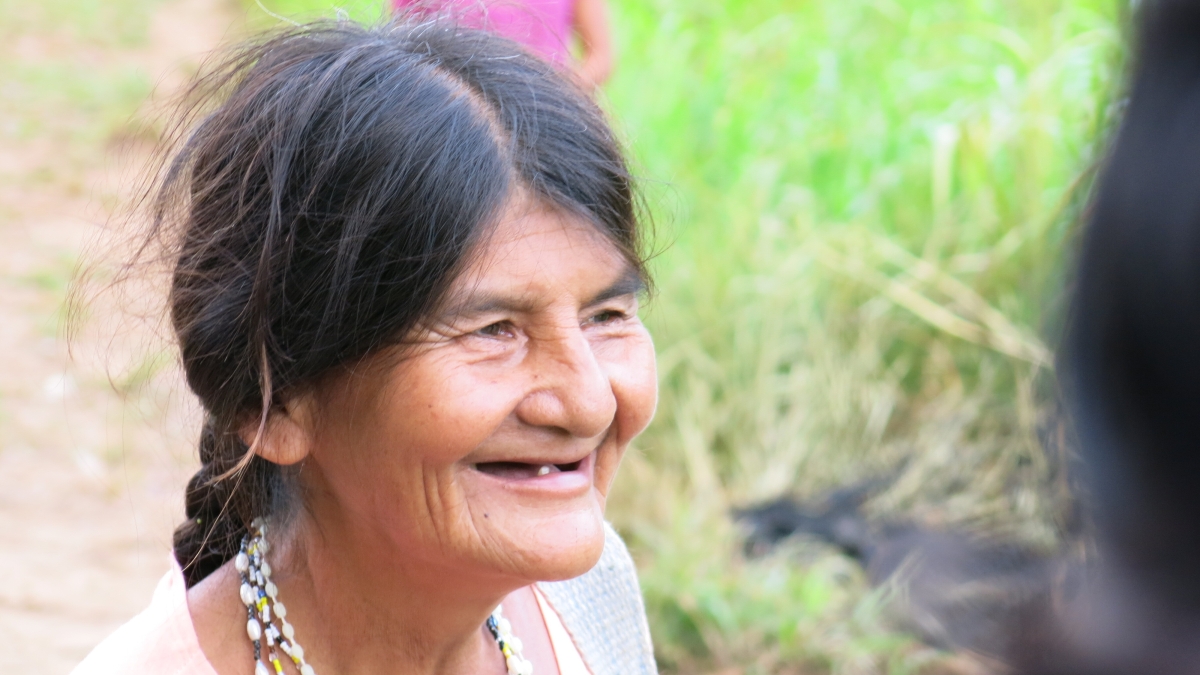
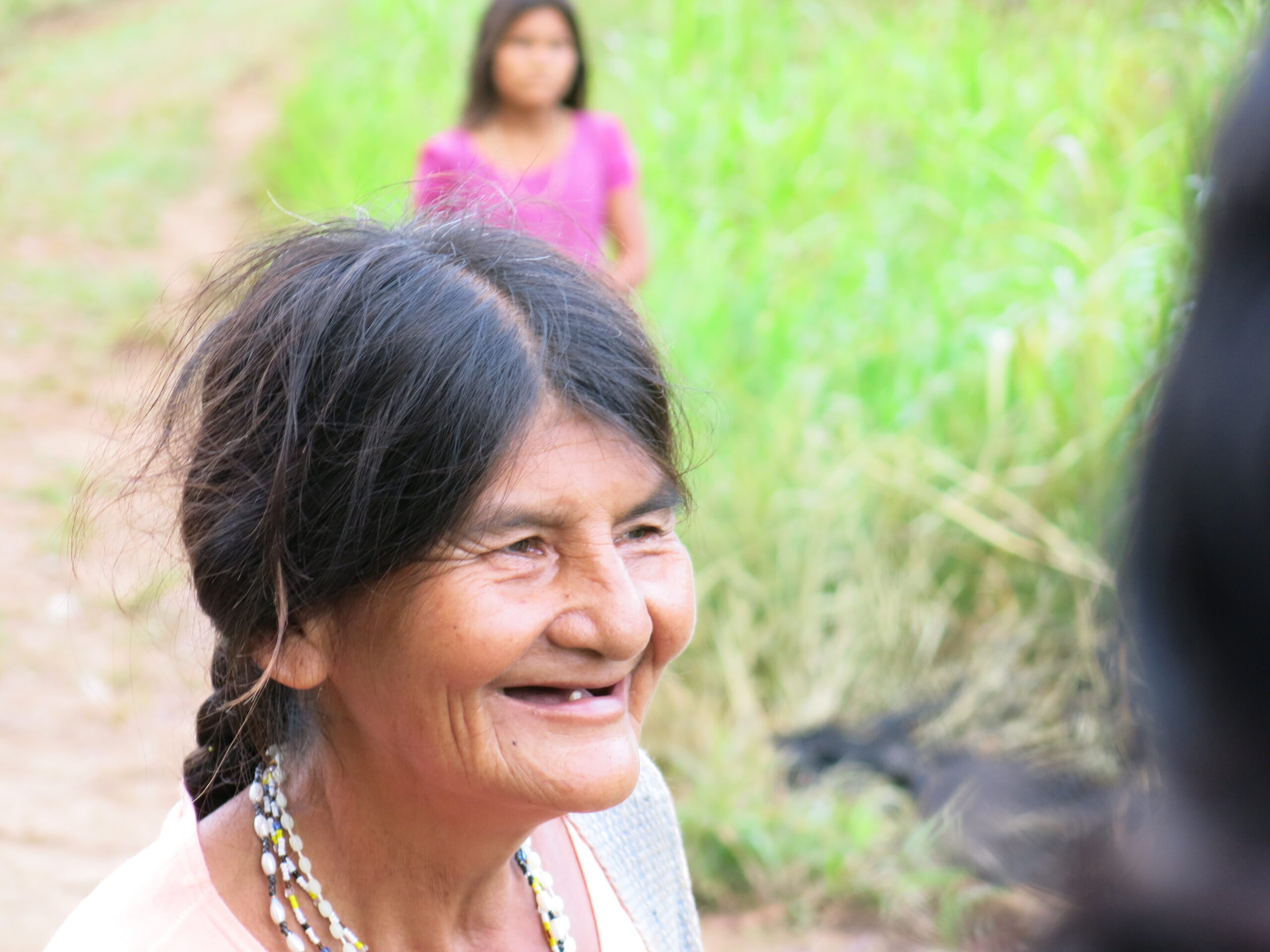
Despite extremely low rates of cardiovascular disease among Tsimane women, a highly active Boliblood pressure shifts may be a shared, universal pattern of the menopause transition. Photo courtesy of Sam Wann
Cardiovascular disease, osteoporosis, depression — these are just some of the health challenges research has shown women experience during their menopausal transition.
While cardiovascular disease is often associated with elevated levels of blood pressure, the impact of menopause on blood pressure remains unclear, and the current research primarily focuses on women in industrialized nations
In a recent study, researchers examined the relationship between menopause, blood pressure and hypertension among Tsimane women, a highly active Boli
Findings of the research showed associations between menopause and blood pressure shifts with age in both populations, despite Tsimane women having some of the lowest rates of cardiovascular disease in the world
“The most important takeaway from the study is that menopause appears to affect blood pressure in two populations with very different diets, lifestyles and levels of physical activity,” said Madeleine Getz, global health PhD student in ASU’s School of Human Evolution and Social Change and lead author of the study.
“This suggests these blood pressure shifts may be a shared, universal pattern of the menopause transition. However, our results suggest the magnitude of these shifts may be shaped by an individual’s environment and lifestyle.”
While examining associations between blood pressure and menopause in industrialized countries may provide a snapshot into one population, there is no way to know if the results are generalizable to other groups, particularly those with widely differing lifestyles, a gap this study sought to address
“In the case of the U.S., many women are fairly sedentary, have access to medications and contraceptives, and eat processed foods. These women are living lifestyles that wouldn’t have been possible for over 99% of human history, and they’re still not necessarily the norm for much of the world today,” Getz said.
“By comparing U.S. women against a population with extremely low rates of cardiovascular disease, high fertility, high physical activity and limited access to contraception and processed foods like the Tsimane, we can get a better idea of what might be a shared human pattern of menopause, and what might be the result of someone’s lifestyle or environment.”
As cardiovascular disease is the leading cause of death for women worldwide, and the risk of cardiovascular disease sharply increases around the time of the menopause transition, these findings provide important insight into what health challenges might be expected for women when they enter menopause.
Advancing insights into postmenopausal outcomes
Getz has published related researchthat found Tsimane women also experience increased blood lipid levels, such as cholesterol, after menopause, suggesting postmenopausal increases in heart disease risk may be a human universal
“This is especially a concern given that The Menopause Society estimates around 2 million women in the U.S. enter perimenopause each year, and about 1.3 million women reach menopause each year. This suggests that in the U.S. alone, 20 to 25 million women will experience perimenopause or menopause in the next decade,” Getz said
“Addressing cardiovascular disease risk is incredibly important in the face of this growing at-risk demographic,” Getz said. “We hope that by showing how menopause may impact blood pressure with age, women and their health care providers can use these results to better understand changes accompanying the menopause transition in the context of these universal patterns.”
Thus far, the team of researchers has looked at a few cardiovascular disease risk factors in isolation, including blood pressure. Getz shared she is interested in understanding how risk factors might cumulatively contribute to disease risk, and which factors have larger impacts than others
“I’m excited to see if the same risk factors are impacting both Tsimane and U.S. women. We’re hoping to identify a few risk factors for postmenopause cardiovascular disease that perform well across these two populations,” Getz said. “Ideally, these would be markers clinicians could use to identify patients at high risk of developing cardiovascular disease post-menopause, and begin preventative care that would perform well across many different groups in the U.S.”
The study, “Blood Pressure Changes During Aging and Menopause Among Forager-Horticulturalists in the Boli Biological Anthropology. Ben Trumble, professor in the School of Human Evolution and Social Change, served as a co-author on the study. Trumble also serves as the co-director of The Tsimane Health and Life History Project
AnthropologyFacultyHealthy LivingSDG 03 Good Health and Well-BeingSDG 15 Life on LandGraduate studentsTempe campusHealth and medicineHealth careSchool of Human Evolution and Social ChangeScienceSocial scienceInstitute of Human OriginsResearchCenter for Evolution and MedicineThe College of Liberal Arts and Sciences
Anthropology, Faculty, Healthy Living, SDG 03 Good Health and Well-Being, SDG 15 Life on Land, Graduate students, Tempe campus, Health and medicine, Health care, School of Human Evolution and Social Change, Science, Social science, Institute of Human Origins, Research, Center for Evolution and Medicine, The College of Liberal Arts and Sciences
More Health and medicine

About 30% of people diagnosed with depression don’t respond to standard first-line medication or therapy. With post-traumatic stress disorder, the nonresponse rates to medication and cognitive…
Read this story
EngineeringHealth carePsychologyResearch

Jennilin Boone has a passion for nursing.For 20 years, she worked in critical care while envisioning a time when she could pursue her master’s degree. After her husband lost his job three years ago,…
Read this story
Grants / AwardsEducationHealth care
If you find yourself binging on sweets and screen time this summer — skip the guilt. At least some of it. Just blame it on the heat.Many people are familiar with the winter version of …
Read this story
Healthy LivingSocial science
