

Close Menu
healthylife7.comhealthylife7.com

    Subscribe to Updates

    Get the latest creative news from FooBar about art, design and business.

    What's Hot

    New Book Says Better Sleep May Be the Missing Link to Weight Loss and Blood Sugar Control

    August 10, 2026

    Wellbeing experts share tips to help you mentally reset

    August 10, 2026

    Jazz Pharmaceuticals to Acquire Actio Biosciences, Expanding Rare Epilepsy Portfolio

    August 10, 2026
    Facebook X (Twitter) Instagram
    Trending
    • New Book Says Better Sleep May Be the Missing Link to Weight Loss and Blood Sugar Control
    • Wellbeing experts share tips to help you mentally reset
    • Jazz Pharmaceuticals to Acquire Actio Biosciences, Expanding Rare Epilepsy Portfolio
    • Psychology says your 30 open browser tabs may reveal what your brain is trying not to lose
    • UK first in Europe to authorise orforglipron for weight management and type 2 diabetes
    • U.S., South Korea to launch major joint military exercise Aug. 17
    • SlimFast pivots to functional nutrition with £5m relaunch
    • Cook County survey seeks input on public health vending machine
    Facebook X (Twitter) Instagram
    healthylife7.comhealthylife7.com
    • Home
    • Fitness
    • Health
    • Nutrition
    • Lifestyle
    • Conditions
    • Mental Health
    • Weight Loss
    • Wellness Tips
    Monday, August 10
    healthylife7.comhealthylife7.com
    Home»Conditions»Atopic dermatitis linked to higher retinal detachment risk
    Conditions

    Atopic dermatitis linked to higher retinal detachment risk

    healthylife7By healthylife7August 10, 2026No Comments4 Mins Read
    Facebook Twitter Pinterest LinkedIn Tumblr Reddit WhatsApp Email
    Atopic dermatitis linked to higher retinal detachment risk
    Share
    Facebook Twitter LinkedIn Pinterest WhatsApp Email

    Findings from a recent study published in Ophthalmology Retina found that patients with atopic dermatitis (AD) face substantially elevated risks of retinal detachment (RD) and worse postoperative outcomes compared to matched controls

    The signal showed up in both population-level diagnosis rates and post-repair complications, pointing to AD as an underrecognized factor in retinal disease

    Give me some background first

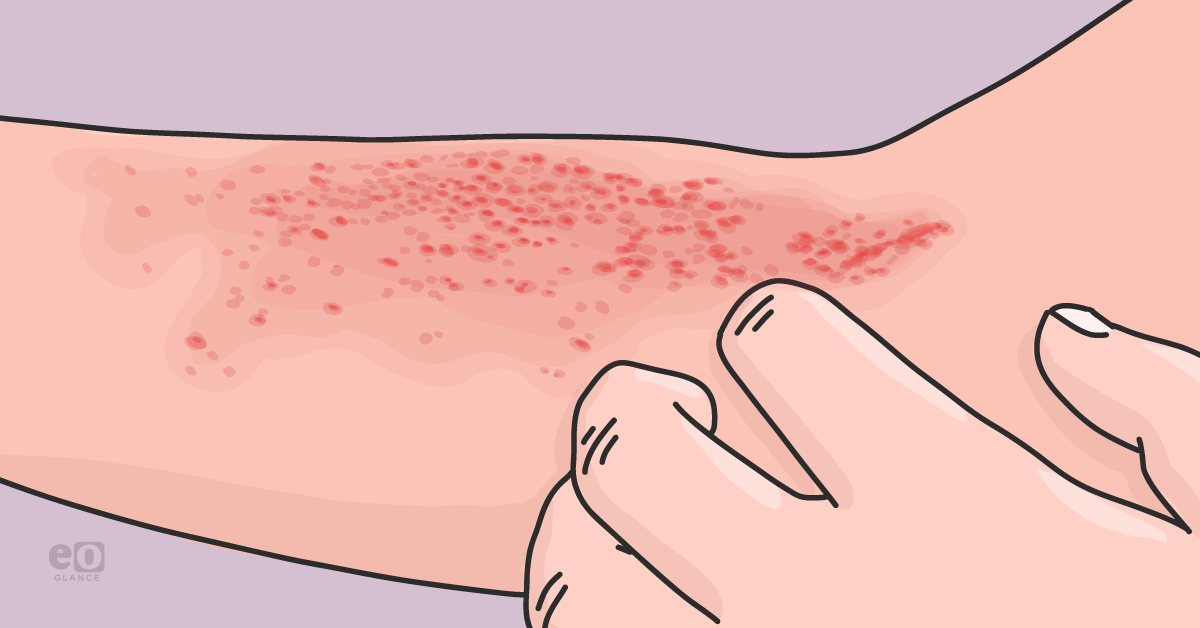
    AD, commonly called eczema, is a chronic inflammatory skin condition that affects roughly 7.6% of US adults. Once considered a localized dermatologic issue, it is now understood as a systemic disorder tied to immune dysregulation and chronic inflammation

    Why that matters: Ocular comorbidities in AD patients have been documented for years, with frequent eye rubbing previously linked to RD in this population

    But whether AD raises RD risk at a population level, and whether it worsens surgical outcomes after repair, hadn’t been quantified in a large U.S. cohort

    Now, talk about the study

    Researchers at the Keck School of Medicine of the University of Southern California ran a retrospective, population-based cohort study using the TriNetX U.S. Collaborative Network, a federated platform with de-identified electronic health record (EHR) data from more than 127 million patients across 72 US healthcare organizations

    • Risk of RD diagnosis and RD repair after an initial AD diagnosis or outpatient clinic visit
    • Risk of postoperative proliferative vitreoretinopathy (PVR) and complex RD repair after an initial RD repair

    Patients were matched 1:1 by propensity score, balancing demographic characteristics, ocular comorbidities, tobacco use, and systemic corticosteroid exposure

    Who was included in the study?

    Adults aged ≥18 years with and without an AD diagnosis were identified using International Classification of Diseases (ICD)-10 codes from March 2006 to March 2026

    Cohort sizes:285,408 patients with a history of AD and 2,856,666 without were identified

    • After propensity score matching (PSM), 274,547 remained in each cohort.

    Demographics: Mean age was 49 years, 63% female, 62% White, 20% Black or African American, 10% Hispanic or Latino, 6% Asian

    Worth noting: Before matching, the AD cohort had markedly higher systemic corticosteroid use (69% vs 37%), one of the variables PSM was used to balance

    And the findings?

    At 5 years, patients with AD had a higher rate of RD diagnosis (0.7% vs 0.2%; hazard ratio [HR] 2.74, 95% confidence interval [CI] 2.50 to 3.00; P<0.0001) and a higher rate of RD repair (0.2% vs 0.04%; HR 4.56, 95% CI 3.76 to 5.57; P<0.0001)

    Tell me more

    Among patients who went through an initial RD repair (n=1,689 per cohort), the AD group had worse postoperative outcomes at 6 months:

    • PVR diagnosis: 5.9% vs 4.0% (HR 1.45, 95% CI 1.12 to 1.87; P=0.002)
    • Complex RD repair (CPT 67113): 8.9% vs 6.6% (HR 1.36, 95% CI 1.10 to 1.62; P=0.002)

    So the risk extended past the initial detachment. RD repairs in AD patients were more likely to be complicated by PVR or to require complex surgical intervention

    Any limitations?

    The data are retrospective and pulled from EHR codes, which carries the usual coding accuracy and misclassification concerns

    One important caveat: EHR data could not confirm whether postoperative PVR occurred specifically in the operative eye, which limits the strength of the postoperative analysis

    Causation also couldn’t be established. While PSM balanced corticosteroid use and key comorbidities, residual confounding from unmeasured behavioral factors like eye rubbing remained possible

    Expert opinion?

    The authors argued that AD likely predisposes patients to RD and contributes to worse surgical outcomes, framing the condition as an under-recognized risk factor in eye care

    Anything else?

    The mechanism question is still open. The authors pointed to two possible drivers:

    • Chronic inflammation tied to AD that may affect retinal tissue
    • Frequent eye rubbing among patients with itchy periocular skin

    Also of interest: Whether enhanced eye screening or earlier referral would change outcomes for chronic AD patients is something prospective studies will need to sort out

    Take home

    For clinicians: AD patients warrant a lower threshold for RD evaluation when they present with new visual symptoms

    As such: For those who do undergo RD repair, closer postoperative monitoring is reasonable given the elevated risk of PVR and the higher likelihood of needing a complex repair

    Atopic dermatitis Higher Linked retinal
    healthylife7
    • Website

    Related Posts

    Jazz Pharmaceuticals to Acquire Actio Biosciences, Expanding Rare Epilepsy Portfolio

    August 10, 2026

    This trial is forcing a difficult conversation far beyond the courtroom

    August 10, 2026

    Psychedelics on the cusp of market breakthrough as clinical, policy support grow

    August 10, 2026
    Leave A Reply Cancel Reply

    Health

    New Book Says Better Sleep May Be the Missing Link to Weight Loss and Blood Sugar Control

    By healthylife7August 10, 20260

    Healthy Mom Happy Family and Yahoo may earn commission from links in this article

    Wellbeing experts share tips to help you mentally reset

    August 10, 2026

    Jazz Pharmaceuticals to Acquire Actio Biosciences, Expanding Rare Epilepsy Portfolio

    August 10, 2026

    Psychology says your 30 open browser tabs may reveal what your brain is trying not to lose

    August 10, 2026
    Stay In Touch
    • Facebook
    • Twitter
    • Pinterest
    • Instagram
    • YouTube
    • Vimeo
    Fitness

    Opinion: The FDA must put biotech at its center or continue to cede early research to China

    July 6, 2026

    Inside Elevance’s digital chronic disease management strategy

    July 6, 2026

    Best, Worst States For Well

    July 6, 2026

    What do the Middle Ages tell us about mental health then and now? VCU historian Leigh Ann Craig has answers

    July 6, 2026

    Subscribe to Updates

    Get the latest creative news from SmartMag about art & design.

    About Us

    Welcome to HealthyLife7.com, your trusted source for reliable health, wellness, fitness, and lifestyle information. Our mission is to help people make informed decisions about their health by providing clear, practical, and easy-to-understand content.

    At HealthyLife7.com, we believe that good health starts with the right knowledge. Whether you're looking for healthy eating tips, fitness advice, mental wellness strategies, weight management guidance, or information about common health conditions, our goal is to deliver valuable content that supports a healthier lifestyle.

    Fitness

    New Book Says Better Sleep May Be the Missing Link to Weight Loss and Blood Sugar Control

    August 10, 2026

    Wellbeing experts share tips to help you mentally reset

    August 10, 2026

    Jazz Pharmaceuticals to Acquire Actio Biosciences, Expanding Rare Epilepsy Portfolio

    August 10, 2026
    Health

    Opinion: The FDA must put biotech at its center or continue to cede early research to China

    July 6, 2026

    Inside Elevance’s digital chronic disease management strategy

    July 6, 2026

    Best, Worst States For Well

    July 6, 2026
    Facebook X (Twitter) Instagram Pinterest
    • About Us
    • Contact us
    • Disclaimer
    • Privacy Policy
    • Terms and Conditions
    © 2026 healthylife7.com. Designed by Pro.

    Type above and press Enter to search. Press Esc to cancel.