


August 28, 2026
Baby food pouches may not provide the nutrition babies need
Many baby food pouches are high in sugar, low in texture, and may not provide the nutrition babies need as they learn to eat solid foods
BySanjana Gajbhiye
Editor
Babies learn to eat gradually. After months of milk, they begin trying foods that make the tongue, lips, and jaw work in new ways
These foods must also provide enough nutrition. A new analysis found that many baby foods in spouted pouches may fall short on both texture and nutrition
Baby food pouches are popular
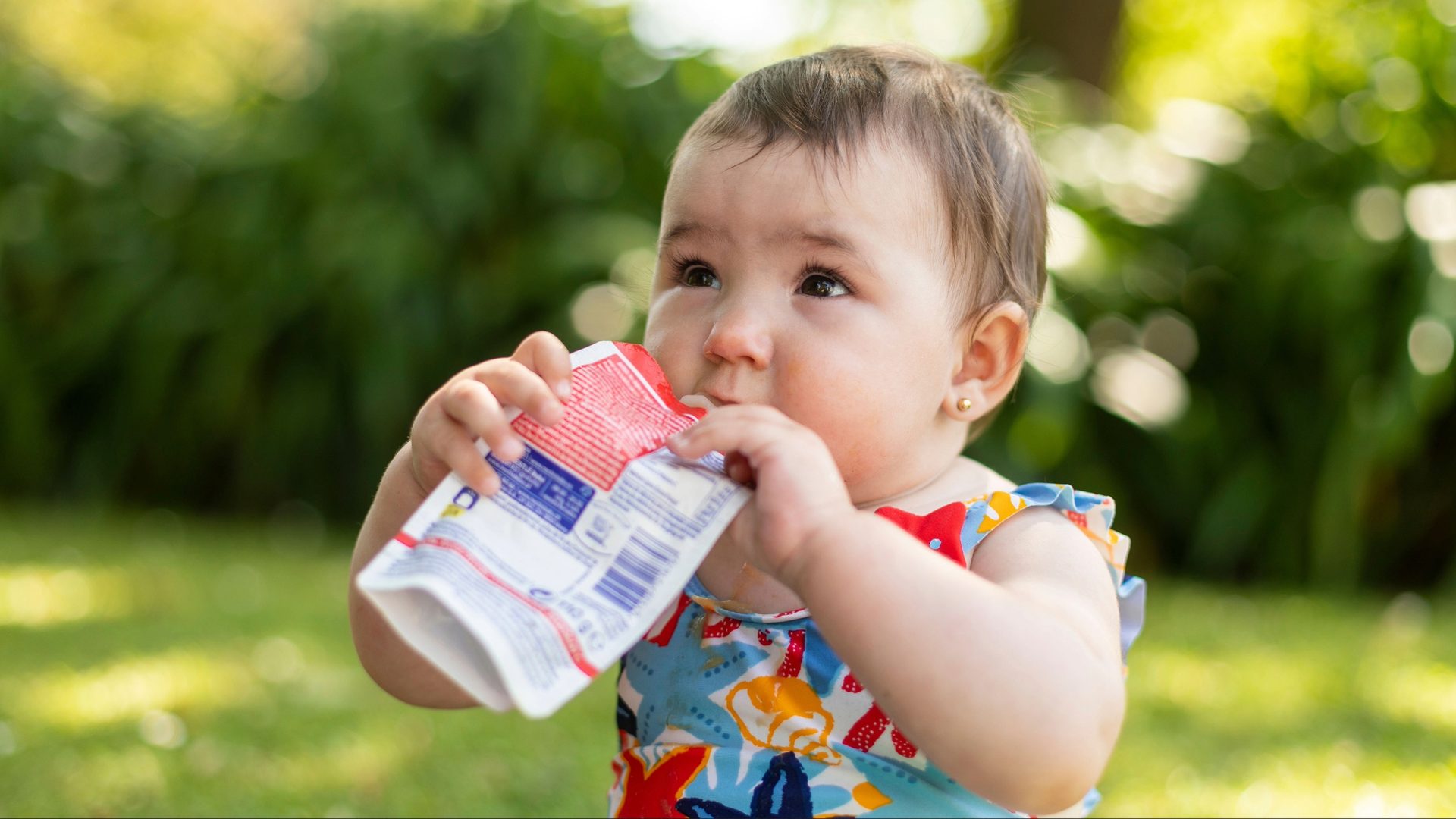
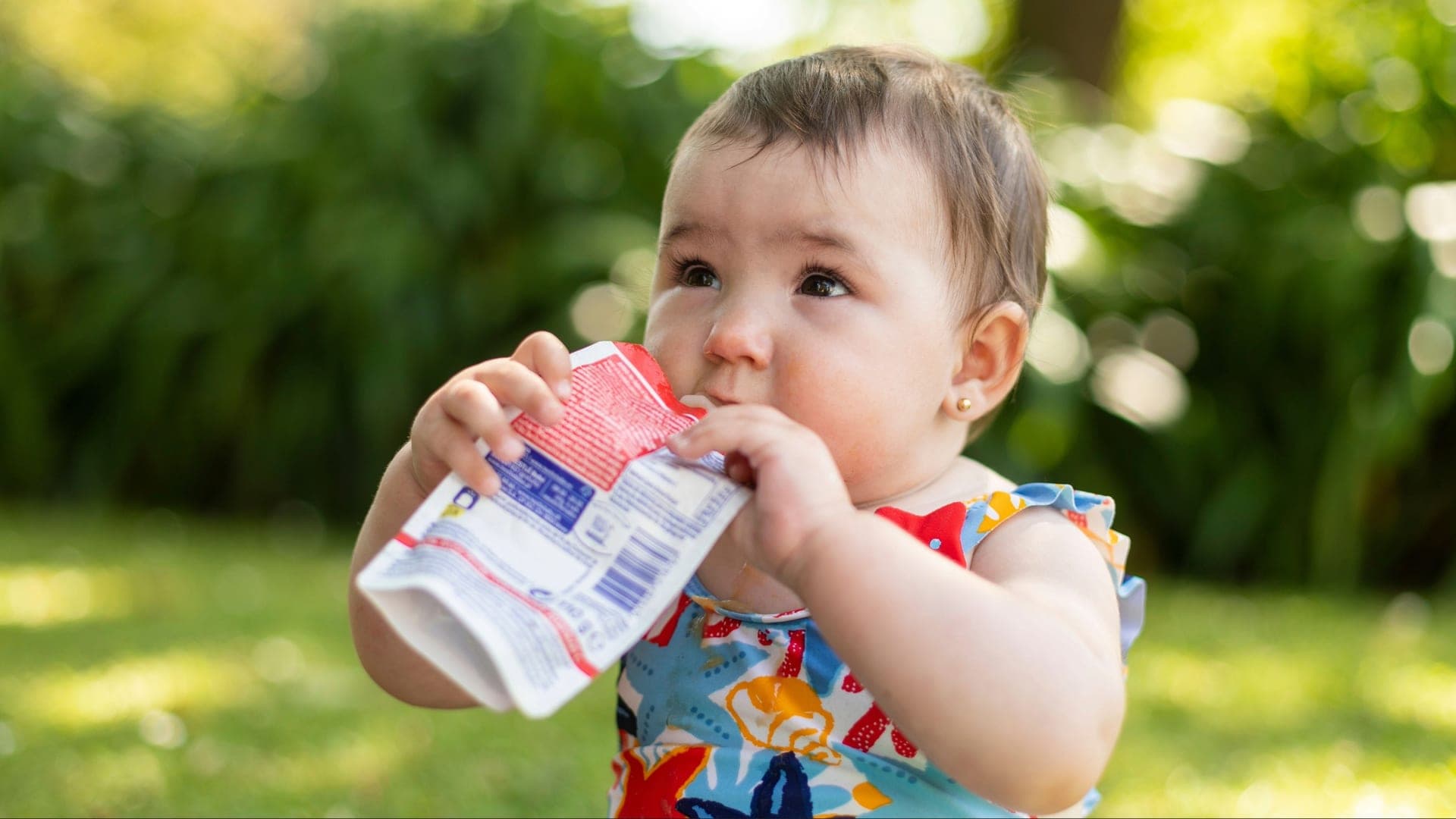
Spouted pouches are easy to carry and quick to serve. Some babies suck the food straight from the spout instead of eating it from a spoon
Yet the spout limits what can go inside. The food must be smooth and runny enough to pass through the small opening
Foods given alongside breast milk or formula are called complementary foods. Starting at around six months, these foods should gradually become thicker and more solid
Texture teaches babies to eat
Sucking comes naturally, but handling solid food takes practice. Babies must learn to move food, break it down, and prepare it for swallowing
The term “oromotor skills” describes these mouth movements. It includes work done by the tongue, lips, jaw, and cheeks
The team came from the University of Glasgow College of Medical, Veterinary and Life Sciences. First Steps Nutrition Trust also took part
“The texture and manner of complementary feeding is important,” Dr. Ada Lizbeth Garcia and her colleagues said
“While suckling is an innate characteristic, the oromotor skills required for the manipulation of solid food in the mouth must be learned experientially.”
Food should become gradually thicker
Babies often begin with smooth purées before moving on to mashed foods, small lumps, and soft pieces. Each new texture gives their mouths more practice
“For that reason, recommendations suggest that first foods offered should progress from purées to lumpy, mashed, and finger foods,” Dr. Garcia and her colleagues said
“For pouches specifically, not only do they deliver a thin food that can be swallowed with little oromotor manipulation, but they are also often consumed by sucking from the spout, rather than from a spoon.”
Supermarket shelves revealed the problem
The researchers visited six large supermarkets in Glasgow, Scotland, in October and November 2024
They collected 298 wet, ready-to-eat baby food products from 16 manufacturers
Spouted pouches accounted for 178 products, or almost 60 percent of the total
Every pouch was labeled for children under 12 months, while about 70 percent were marketed to babies aged six months or younger
Half were almost drinks
The team checked the texture of 284 products using spoon and fork tests. The tests showed whether each food flowed or held its shape
Nearly half of the foods in spouted pouches, 49 percent, were classified as liquids. Only about seven percent of foods in other packages fell into that category
Just 10 percent of pouch products were classified as soft foods that required more mouth movement. That figure reached 77 percent for foods in other packages
Sugar was the concern
The team compared each product with breast milk. The researchers examined energy, protein, and sugar levels because complementary foods should provide concentrated nutrition
Across all products, the median energy value was 66.5 calories per 3.5 ounces (100 grams). Only about 35 percent provided more energy by weight than breast milk
Just over half of the foods in spouted pouches contained more protein than breast milk. However, 61 percent contained more sugar, compared with only eight percent of foods sold in other packages
“High sugar intakes in early childhood have long-term health implications, both in terms of dental health and overweight,” the researchers said
Smooth fruit releases sugar
Fruits and vegetables hold sugars inside their cells. Intensive blending breaks those cells apart and releases more sugar into the smooth mixture
A pouch can say “no added sugar” while still containing plenty of sugar from puréed fruit. The label may be accurate, but it may not tell the whole story at a glance
The analysis did not follow children or assess their health. Therefore, it cannot show that these products cause tooth problems or weight gain
Most pouches failed nutrition tests
The team used three simple tests. A suitable food had to be a purée or soft solid, provide more energy and protein than breast milk, and contain no more sugar than breast milk
Only 14 spouted pouches, or about eight percent, passed all three tests. Another 48 pouches, or about 29 percent, passed none of them
Among foods in other packages, 32 percent passed every test. Only two of those products failed all three
The results do not mean that every pouch is a poor choice. They show that a pouch does not always provide what its baby food label may suggest
Labels may need changes
The researchers said many pouch products resembled sweet drinks more than solid foods. They questioned whether these products should carry the same labels as thicker baby foods
“Products delivered in [spouted] pouches generally do not meet the desired characteristics of complementary foods. Many are more similar to sweet fruit smoothies, which are not recommended at all for babies or preschool children,” Dr. Garcia and her colleagues said
The researchers said clearer labels could help parents distinguish foods from drinks and make better choices for their babies
Clearer labels could indicate whether a product is mainly a drink, a smooth purée, or a thicker food. That information could help families make quicker choices in busy stores
Important limits remain
The team relied on nutritional information provided by manufacturers. Iron content was rarely listed, even though babies need the mineral when they begin eating foods other than breast milk or formula
The researchers did not know how often families used the pouches or how much of the food children ate. A child’s overall diet may change the picture
The team tested the foods cold, although some meals are usually served warm. The survey covered one UK city over two months, and products may differ elsewhere
Babies need varied food textures
Pouches can be useful when families need a quick option. This analysis did not test whether occasionally using them harms children
However, it showed that many pouch products were thin, sweet, and no more energy-dense than breast milk. Babies still need a range of tastes and textures as they learn to eat
The study is published in the journal Archives of Disease in Childhood
Like what you read? Subscribe to our newsletter for engaging articles, exclusive content, and the latest updates
Check us out on EarthSnap, a free app brought to you by Eric Ralls and Earth.com
—–
