


There has been a welcome change in the way employers talk about behavioral health. Mental health, substance use and employee well-being are no longer topics reserved solely for human reecognize that anything affecting an employee’s ability to focus, make decisions and work safely deserves a place in the broader workplace safety conversation
Reducing stigma is an important part of that change. Employees need to believe they can seek help for anxiety, depression, substance use or another behavioral health concern without being judged by co-workers or worrying unnecessarily about how it could affect their careers
But there is another part of the behavioral health conversation that receives considerably less attention: medication safety
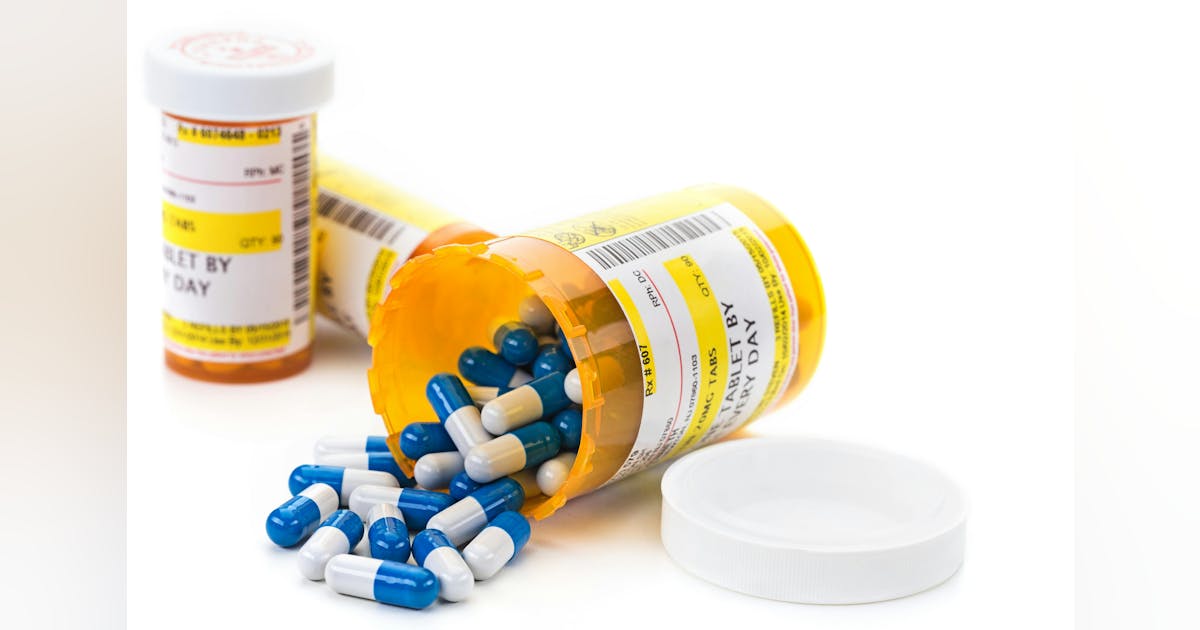
Millions of people appropriately use prescription medications to manage pain, anxiety, insomnia and other conditions. These medications can improve health and quality of life. At the same time, some prescription medications, including opioids and benzodiazepines, carry risks if they are misused, improperly combined with other substances or accessed by someone other than the person for whom they were prescribed
For EHS professionals, this presents an opportunity to think further upstream. Reducing stigma can make it easier for someone experiencing a problem to ask for help, while medication safety can help reduce risk before a problem develops. Both belong in the conversation
Behavioral Health Doesn’t Stop at the Workplace Door
Many factors affecting workplace safety originate somewhere else. An employee may arrive at work fatigued because of problems at home. Anxiety may affect concentration. An injury may result in a prescription for pain medication, while someone experiencing insomnia or panic disorder may appropriately be prescribed a medication that can cause drowsiness or affect reaction time
The boundary between home and work is not nearly as distinct as we sometimes make it
The National Institute for Occupational Health and Safety (NIOSH) has specifically identified prescription opioids and benzodiazepines as occupational safety and health issues. Opioids may be prescribed for pain, including pain associated with workplace injuries. Benzodiazepines, including medications such as alprazolam, clonazepam and lorazepam, are commonly prescribed for conditions such as anxiety, panic disorders and insomnia
These are legitimate medications with legitimate therapeutic purposes. The safety issue is not simply whether someone takes a prescription medication, but understanding the potential risks associated with certain medications and making sure they are used only by the person for whom they were prescribed
NIOSH has reported that prescription opioid and benzodiazepine use can be associated with decreased psychomotor performance, falls and motor vehicle crashes. Those connections matter even more in safety-sensitive jobs involving driving, machinery, ladders, shift work or other tasks where alertness and reaction time are critical
Behavioral Health Adds Another Dimension
The behavioral health connection makes medication safety particularly important. Consider an employee experiencing significant anxiety. Ideally, that employee feels comfortable accessing behavioral health reherapy, lifestyle changes, medication or some combination of approaches
A prescription for a benzodiazepine may be entirely appropriate. However, some medications used in behavioral health treatment require thoughtful use and storage. The Food and Drug Administration requires its strongest warning, a Boxed Warning, for benzodiazepines because of risks involving abuse, misuse, addiction, physical dependence and withdrawal. The FDA also warns of serious risks when benzodiazepines are combined with opioids, alcohol or other central nervous system depressants
None of this means employees should be discouraged from taking medications appropriately prescribed by their healthcare professionals. The goal should be to normalize appropriate treatment while also recognizing that medication safety is part of that treatment
And that includes what happens to the medication once it enters the home
Access Matters
One of the more overlooked aspects of prescription medication misuse is how often the medication originates with someone else. According to the 2024 National Survey on Drug Use and Health, among people age 12 or older who reported misusing prescription pain relievers during the previous year, 42.3% said the pain reliever they most recently misused came from a friend or relative. That included medications that were given to them, purchased from someone they knew or taken without permission
Only 7.6% reported obtaining the medication from a drug dealer or stranger. Those numbers change the way we should think about prevention because the employee who fills a legitimate prescription may never misuse the medication
Someone else might
A teenager may find pills in a bathroom medicine cabinet. A spouse or other family member struggling with substance use may know where medication is stored. A visitor may see an opportunity to take several pills without anyone noticing
Medication safety, therefore, is not solely about protecting the person taking the medication. It is also about protecting the people around them. The FDA makes this point specifically with benzodiazepines, advising patients to lock them up and dispose of them properly so they are not accidentally taken by children or obtained by someone for whom they were not intended
The same prevention principle applies to controlled prescription medications more broadly
When the Employee Isn’t the Person Misusing the Medication
This is where the employer connection becomes broader than workplace impairment alone. An employee does not have to misuse a prescription drug for prescription misuse to affect his or her work
Consider an employee who appropriately fills a prescription after surgery, an injury or treatment for anxiety and stores the medication at home. If a teenager, spouse or other family member gains unauthorized access and begins misusing it, the immediate health consequences affect the family member, but the impact can quickly reach the employee and eventually the workplace
The employee may suddenly become a caregiver dealing with medical appointments, treatment decisions, school or behavioral problems, financial concerns and the stress that comes with a family health crisis. The consequences for the employer can include missed work, difficulty concentrating, schedule disruptions and greater use of healthcare or employee-support re
In more serious situations, an employee may need an extended period away from work to care for a spouse, child or parent. Depending on the circumstances and applicable requirements, some employees may qualify for job-protected leave under the Family and Medical Leave Act when caring for a family member with a serious health condition
The larger point is not about leave law. It is recognizing that a medication prescribed appropriately to one employee can become a behavioral health problem for someone else in the household and ultimately a workforce issue for the employer
Stigma can complicate the situation further. A parent dealing with a child’s substance use problem may be reluctant to tell a supervisor what is happening at home. A spouse may simply say there is a “family issue” while privately dealing with enormous stress, treatment decisions and uncertainty. Behavioral health stigma can affect caregivers and families as well as the individual experiencing the problem
We Secure Hazards. Why Not Medication?
EHS professionals spend their careers thinking about access. We restrict access to hazardous chemicals, lock out equipment before maintenance, control entry into confined spaces and establish procedures around tools, machinery and substances that can cause harm when they are accessed or used improperly
The principle is straightforward: When access to a hazard is controlled, risk can be reduced
Certain prescription medications deserve similar consideration. That does not mean employers should ask employees what medications they take or become involved in private medical decisions. Those decisions belong between patients and their healthcare professionals
Medication safety education is different. Employers can remind workers not to share prescription medications, educate employees about proper disposal and encourage secure storage of opioids, benzodiazepines and other medications that could cause harm if accessed by someone else. Secure or locking medication containers can provide an additional physical barrier between a medication and someone who should not have access to it
None of these steps require an employee to disclose anxiety, depression, a substance use disorder or even whether he or she takes a prescription medication. That is precisely why medication safety complements stigma reduction
Two Points on the Prevention Continuum
It would be a mistake to suggest that secure medication storage reduces behavioral health stigma. It does not. The two strategies address different points along the same prevention continuum
Reducing stigma creates an environment where someone experiencing anxiety, depression, substance misuse or another behavioral health challenge feels more comfortable asking for help. Medication safety reduces opportunities for prescription drugs to be misused, shared or diverted in the first place. One supports help-seeking; the other supports risk reduction
Employers need both
There is also an important human element. Someone seeking treatment for anxiety or another behavioral health condition should not feel stigmatized because medication is part of that treatment. At the same time, employees should understand that appropriately prescribed medications can still require thoughtful handling, particularly when children, teenagers or other family members are present in the home
We can normalize treatment without normalizing casual access to medication
What Can EHS Leaders Do?
Medication safety does not need to become another major corporate program. Much of the infrastructure already exists
Safe medication storage and disposal information can be incorporated into wellness communications. EHS teams can include prescription medication safety in broader conversations about impairment and fitness for duty. Employee assistance programs can provide educational materials, while benefits teams can work with health plans, pharmacy benefit managers and pharmacies to reinforce appropriate medication use, storage and disposal
Employers can also educate employees about an often-overlooked responsibility: protecting medications prescribed to them from unauthorized access by others. This is relevant whether the potential risk involves a co-worker, friend, teenager, spouse or another member of the household
The goal is not to monitor anyone’s medicine cabinet. The goal is awareness and prevention
Expanding the Behavioral Health Conversation
We should continue working to remove the stigma surrounding anxiety, depression, substance use disorders and other behavioral health conditions. Employees and family caregivers who need support should feel comfortable seeking it
But a mature behavioral health strategy should not begin only after someone raises a hand and says, “I need help.” There are opportunities to reduce risk before that moment, and medication safety is one of them
EHS has always been built around the idea that preventing an incident is better than responding to one. As the profession expands its understanding of behavioral health, that same prevention mindset can extend beyond traditional workplace hazards. Employers can support employees who need help, normalize appropriate treatment, educate people about medication risk and encourage reasonable measures that protect employees and their families from unauthorized access
Reducing stigma and improving medication safety accomplish different things
Together, they can help create a healthier and safer workforce
