



Sports nutrition brands today need to expand beyond traditional performance positioning by creating new consumption occasions and broader health messaging around areas such as immunity and metabolic health
Protein claims accelerated significantly in 2025 across a wide range of products, and sports nutrition remains the largest category for protein claims, but this positioning is increasingly spilling over into other food and beverage categories
“The distinction between food and sports nutrition is becoming increasingly blurred. For sports nutrition brands to thrive, they must urgently find ways to differentiate themselves and identify new consumption occasions [in the face of] growing competition from mainstream food and beverage products,” said Nathanael Lim, Asia Pacific Insight Manager for Health and Beverage, Euromonitor International
As sports nutrition becomes increasingly associated with overall wellbeing, new consumer groups are seeking products that support an active and healthy lifestyle across adjacent categories
Euromonitor’s survey data revealed that between July 2024 and June 2025, high-protein claims appeared most frequently in sports nutrition launches. Globally, just under 25% of sports nutrition product launches carried a high-protein claim, followed by vitamin and other functional claims
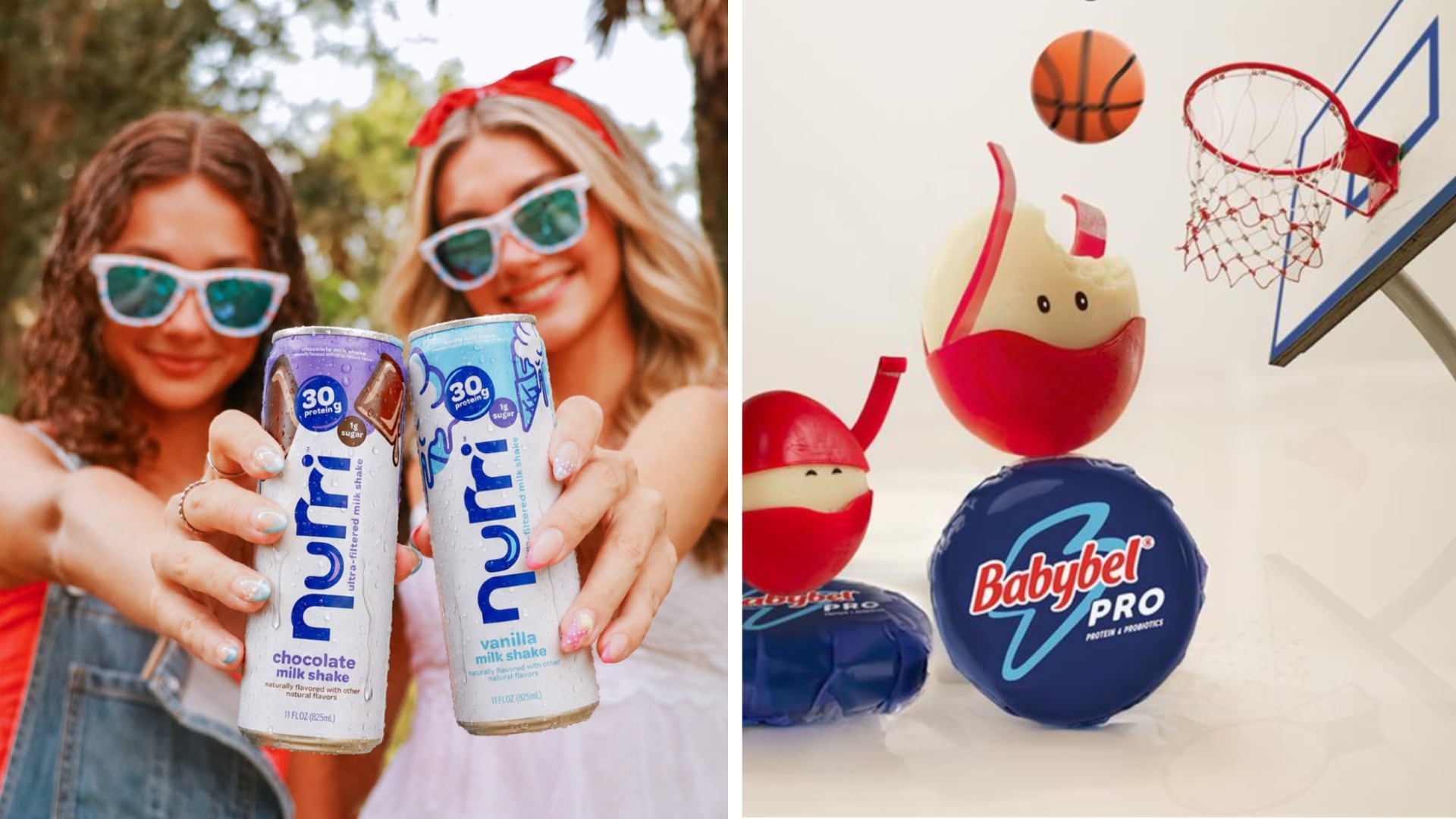
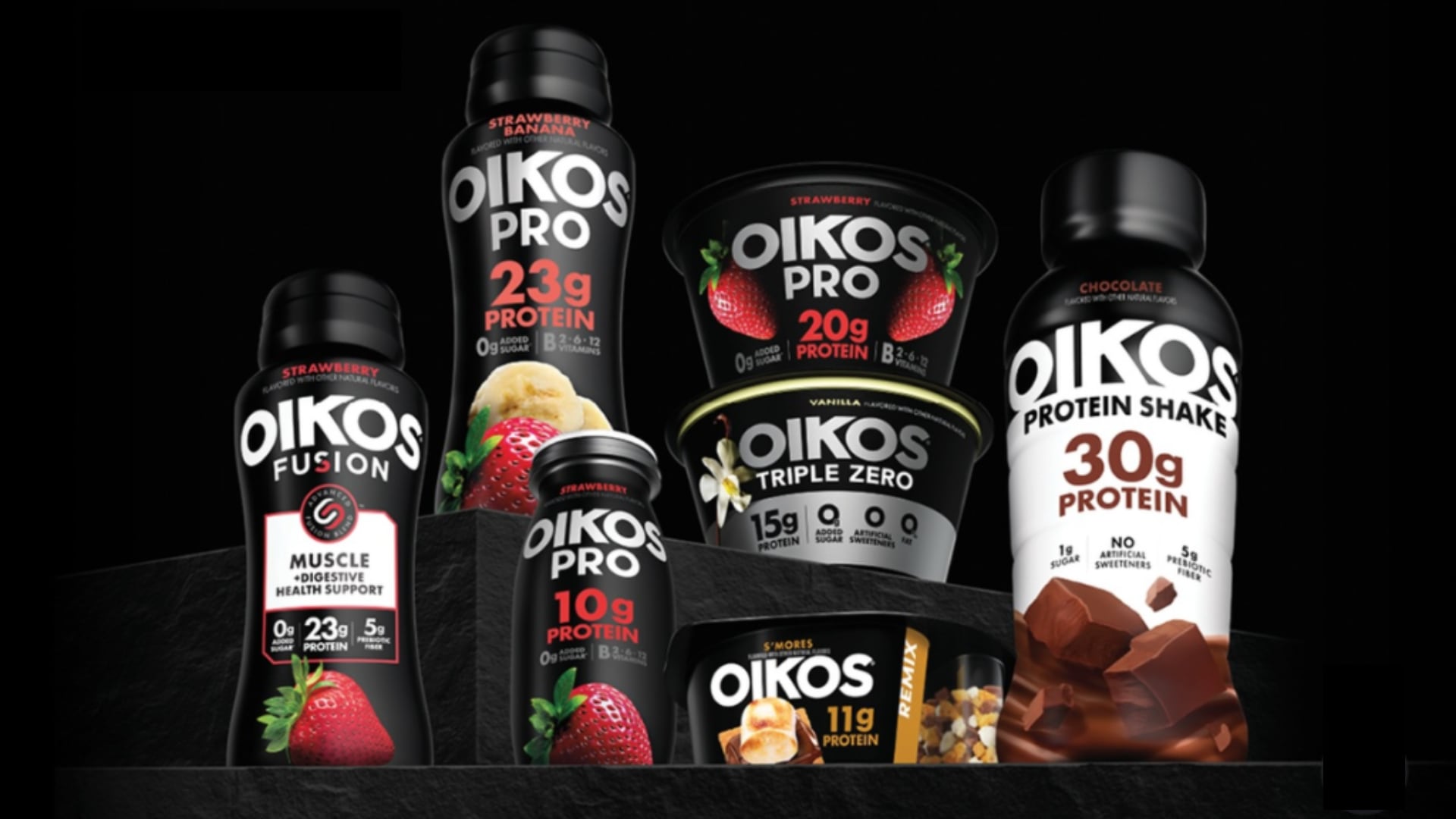
“At the same time, we are increasingly seeing high-protein claims appearing across mainstream food and beverage products. Examples include Danone’s protein yoghurt products and Babybel’s protein and probiotic offerings. This raises an important question: What does this mean for the sports nutrition category?” said Lim
To strategise for the future, it is first crucial to understand what people look for in sports nutrition
According to Euromonitor’s survey data on what consumers value most, three attributes stood out
The most important was low sugar, cited by 42% of respondents. This was followed by convenience, particularly through ready-to-drink and portable formats. Finally, 35% of respondents said sports nutrition products should contain electrolytes to support active recovery
One particularly interesting trend is the changing audience for protein, especially among women
“Our survey found that 25% of female respondents are actively seeking to increase their protein intake, compared with 23% of men. This is largely driven by consumers aged 30 to 44, as well as those aged 60 and above,” said Lim
“If we look more closely at the demographics, we see an even stronger trend among older consumers. Twenty-five percent of men aged 60 and above and 28% of women in the same age group say they are looking to increase their protein intake.”
This represents a significant opportunity. While around 75% of consumers said they are not actively trying to increase their protein intake, that also highlights a substantial untapped opportunity in the market. Consumers are aware of protein, but the challenge for brands is how to convert that awareness into actual consumption of protein products
Also read →Korea, China lead sports nutrition e-commerce as India drives growth
There are three key issues to consider
First, will the current protein boom be sustainable, particularly as whey protein prices continue to rise because of increasing ingredient and production costs?
Heavy reliance on imports from the United States and Europe has further exposed the market to shipping costs and tariffs
“One major issue is the supply shortage and resulting increase in whey protein prices. Strong demand, combined with limited supply, has created significant cost pressures,” Lim noted
Brands therefore need to consider alternative proteincal whey production to improve long-term price stability
Demand is also being supported by broader health trends, with GLP-1 weight-management therapies prompting greater consumer focus on preserving muscle mass through adequate protein intake
Lim said that India and Japan are among the largest consumers of whey protein isolate and concentrate, but are affected as whey prices continue to rise alongside higher shipping costs and ongoing geopolitical tensions
“Manufacturing capacity also remains constrained. Advanced ultrafiltration capacity for whey protein is still limited, although additional investment is expected from the second half of 2026,” said Lim
“Processors are also prioritising whey protein isolate because it offers higher profitability, reducing production of other whey protein formats.”
The result is a tighter supply environment that could keep protein costs elevated and encourage brands to rethink both sourcing strategies and product formulations
Second, could fibre become the next major nutritional focus after protein?
According to Euromonitor’s web-scraping data, India leads the region in products carrying high-fibre claims, with around 70% of online SKUs promoting fibre content
Brands such as Myprotein have already launched protein powders with added fibre, while Baidyanath Ayurved offers products containing 20g of protein alongside 12g of dietary fibre
This suggests that brands should begin investing in fibre as the next major opportunity to strengthen nutritional positioning while also appealing to fitness-oriented consumers, said Lim
Third, which emerging ingredients are likely to gain traction and potentially challenge protein’s dominance?
Beyond protein, clinically backed ingredients such as branched-chain amino acids (BCAAs) and creatine are emerging as important portfolio extensions for sports nutrition brands – this is due to their association with improved muscle recovery, strength and athletic performance, noted Lim
He pointed out that ingredient adoption differs across Asia. In general, China’s market is increasingly driven by non-protein sports nutrition
Meanwhile, BCAAs are growing strongly in Japan and South Korea, while creatine is seeing particularly strong growth in India and Japan
As consumers become more informed and mainstream food brands continue expanding into protein, sports nutrition companies will increasingly need to compete on scientific credibility, taste and clearly differentiated health benefits, not protein content alone
