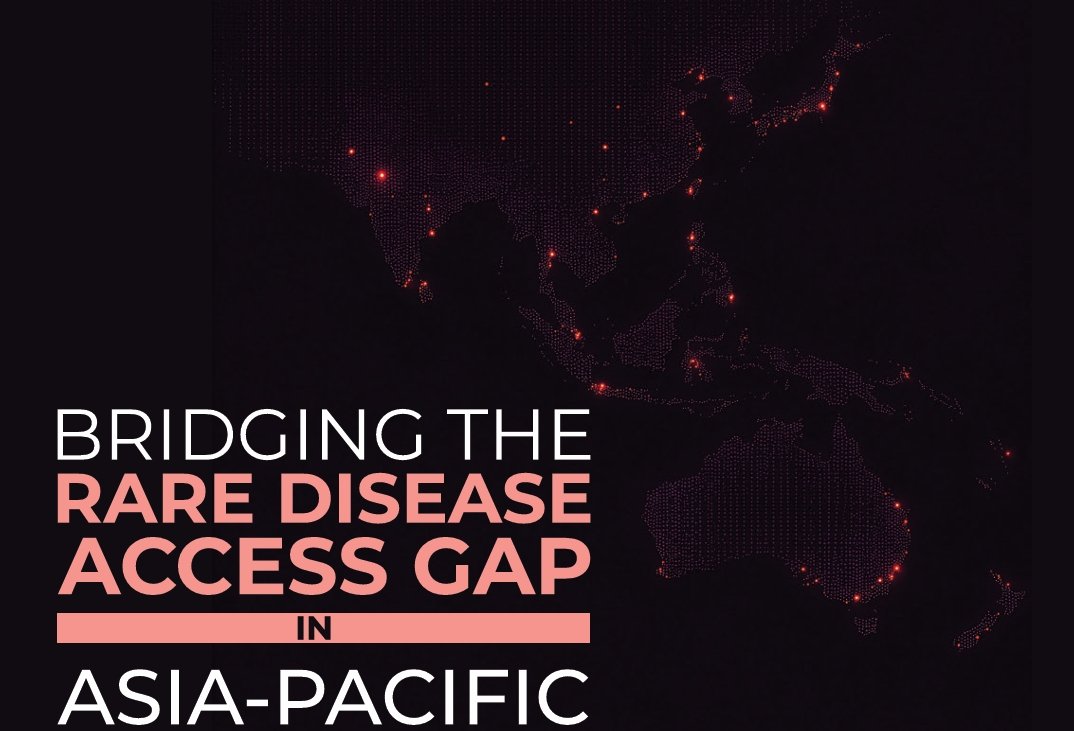
Bridging the Rare Disease Access Gap in Asia-Pacific
August 1, 2026 | Saturday | Analysis | By Ayesha Siddiqui
Although each rare disease affects only a small number of people, collectively they represent one of the world’s largest unmet healthcare challenges. More than 7,000-8,000 rare diseases have been identified globally, yet treatments exist for only around 5-10 per cent of them, according to IQVIA. Asia-Pacific alone is home to an estimated 258 million people living with rare diseases. While advances in genomics, precision medicine and orphan drug development are transforming care, patients continue to face significant barriers to timely diagnosis, treatment and long-term management. This feature explores how governments, industry, healthcare providers and patient organisations across the region are working together to accelerate diagnosis, expand access to innovative therapies and build more sustainable rare disease ecosystems.
Although each rare disease affects only a small number of people, collectively they represent one of the world’s largest unmet healthcare challenges. More than 7,000-8,000 rare diseases have been identified globally, yet effective treatments exist for only around 5-10 per cent of them, according to IQVIA. Together, these conditions affect an estimated 350-475 million people worldwide, or approximately 6-8 per cent of the global population. More than 80 per cent are genetic in origin, many present during childhood, and nearly one-third of affected children die before reaching the age of five.
The challenge is particularly significant in Asia-Pacific (APAC), home to nearly 60 per cent of the world’s population and an estimated 258 million people living with rare diseases. Despite remarkable advances in genomics, precision medicine, gene therapies and orphan drug development, access to timely diagnosis and treatment remains uneven across the region. Patients continue to face lengthy diagnostic journeys, fragmented referral systems, limited specialist expertise and significant financial barriers to accessing life-changing therapies.
Governments, healthcare providers, pharmaceutical companies and patient organisations are increasingly recognising that scientific innovation alone cannot transform rare disease care. Accelerating diagnosis, strengthening healthcare infrastructure, expanding reimbursement mechanisms and fostering regional collaboration are emerging as equally important priorities. Across APAC, countries are adopting new policy frameworks, investing in genomic medicine and creating innovative funding models to ensure that more patients receive the right diagnosis and treatment at the right time.
Breaking the Diagnostic Odyssey
For most people living with a rare disease, obtaining a diagnosis is often the biggest hurdle. According to Avalere Health, patients wait an average of 7.6 years before receiving the correct diagnosis, consult around eight physicians and are misdiagnosed two to three times during their journey. The World Economic Forum describes this prolonged process as the “diagnostic dilemma”, reflecting the complex, often non-specific symptoms that make many rare diseases difficult to recognise using conventional healthcare pathways.
Early diagnosis is critical. Identifying a rare disease before irreversible complications develop allows timely intervention, improves clinical outcomes, enables genetic counselling and opens opportunities for participation in clinical trials. Increasingly, APAC governments are strengthening specialist care networks, expanding newborn screening programmes and embracing genomic technologies to shorten this diagnostic journey
Building Specialist Centres of Excellence
Unlike common diseases, rare conditions often require multidisciplinary care involving geneticists, neurologists, metabolic specialists, paediatricians, laboratory scientists and specialised nurses. Consequently, many countries have established dedicated Centres of Excellence (CoEs) that provide integrated diagnosis, treatment and long-term disease management while also supporting physician training, research and clinical trials
Across APAC, these specialist centres are becoming the backbone of national rare disease strategies, although their scale varies considerably. Countries such as Taiwan and South Korea have developed relatively extensive specialist networks, while emerging economies continue to expand capacity
India is strengthening its national infrastructure through 12 designated treatment centres and five diagnostic centres under the National Policy for Rare Diseases (NPRD). Complementing these facilities is the Department of Biotechnology’s Unique Methods of Management of Inherited Disorders (UMMID) programme, which aims to improve early diagnosis, genetic counselling, long-term disease management and clinician connectivity through a nationwide digital platform
Indonesia has also taken an important step by establishing its first Centre of Excellence for Rare Diseases at Cipto Mangunkusumo Hospital in partnership with the Human Genetic Research Center and the Indonesia Medical Education and Research Institute (IMERI), Universitas Indonesia
While specialist centres remain concentrated in major metropolitan areas, they are creating stronger referral pathways and improving access to multidisciplinary expertise for patients with complex genetic disorders
Expanding Newborn Screening Programmes
Healthcare systems are increasingly recognising that the most effective diagnosis begins before symptoms appear. Expanded newborn screening programmes are therefore becoming a central component of rare disease strategies across Asia-Pacific. Implementation remains uneven, but progress is accelerating. According to IQVIA, Thailand and Singapore now screen nearly all newborns. The Philippines currently screens approximately 30 per cent of newborns, with testing covered under the country’s national health insurance programme, while Vietnam has achieved screening rates of around 28 per cent. Malaysia has broadened its screening programme to include inborn errors of metabolism, although advanced diagnostic testing remains available at only two specialised centres. Singapore continues to expand its National Expanded Newborn Screening Programme, which now covers more than 25 metabolic disorders.
Taiwan is taking an important further step. From July 2025, the government fully subsidised newborn screening after previously sharing costs with parents. The programme now includes screening for spinal muscular atrophy (SMA), further strengthening early intervention opportunities for affected infants. As genomic technologies become more affordable, expanded newborn screening is expected to play an increasingly important role in reducing diagnostic delays across the region
Harnessing AI and Genomics for Earlier Diagnosis
Artificial intelligence, genomic sequencing, national biobanks and digital health platforms are reshaping the rare disease diagnostic landscape. These technologies enable clinicians to identify complex disease patterns earlier while supporting more accurate and timely diagnoses
India has emerged as one of the early adopters of AI-assisted rare disease diagnosis. Sanofi recently launched AccelRare, an AI-powered pre-diagnosis platform designed to help physicians recognise potential rare diseases sooner, reducing delays in referral and treatment initiation. The country has also established its first government-supported national biobank dedicated to rare Lysosomal Storage Disorders (LSDs), creating valuable genomic resources for research, diagnosis and future therapeutic development.
Regional collaboration is also strengthening genomic capabilities. During Rare Disease Day 2025, Singapore announced the establishment of ASEAN’s first Genetic Registry under the Genomics for Kids in ASEAN programme. The initiative aims to improve understanding of rare diseases across Southeast Asia’s genetically diverse populations while facilitating collaborative research and data sharing.
These investments reflect a broader shift from reactive diagnosis towards precision medicine, where AI, genomic databases and integrated health information systems support earlier disease recognition and more personalised treatment decisions
From Faster Drug Approvals to Better Patient Access
Scientific advances have significantly expanded the pipeline of orphan drugs and advanced therapies. Across Asia-Pacific, regulators are responding by introducing priority review pathways that accelerate approvals for medicines targeting rare diseases. However, governments increasingly acknowledge that regulatory approval alone does not guarantee patient access. Affordability, procurement systems, reimbursement policies and healthcare infrastructure remain equally important in determining whether innovative therapies reach patients. Consequently, several APAC countries are complementing accelerated approval pathways with broader policy reforms designed to improve commercial availability and reduce treatment delays.
India has introduced several important regulatory measures under the National Policy for Rare Diseases. Mandatory port testing requirements for orphan drugs have been removed, reducing delays in the import of specialised medicines. The Union Budget 2026-27 further strengthened patient access by exempting customs duties on medicines and medical foods used to treat seven rare diseases covered under the policy, helping lower the cost of imported therapies. State governments are also piloting innovative access models. Kerala has centralised procurement through the Kerala Medical Services Corporation Ltd to improve price negotiations and ensure a more reliable medicine supply. Goa introduced a confidential pricing framework for innovative therapies in 2025, while Rajasthan launched the RajSambal crowdfunding platform and is exploring premium-backed pooled funding models to reduce treatment interruptions.
Elsewhere in the region, Taiwan and Indonesia have streamlined regulatory pathways to accelerate access to orphan medicines. Taiwan’s Food and Drug Administration (TFDA) introduced the Orphan Drug Recognition and Expedited Registration Pilot Programme, reducing review timelines from 300 to 240 days for orphan medicines already approved by the US Food and Drug Administration (FDA), European Medicines Agency (EMA) or Japan’s Ministry of Health, Labour and Welfare (MHLW). The programme also allows orphan designation and market registration to proceed simultaneously, enabling faster patient access. Indonesia has similarly introduced expedited review pathways for orphan medicines and therapies addressing serious diseases, reducing regulatory review timelines to approximately 100 working days under updated approval procedures.
These reforms demonstrate a broader shift in policy thinking across Asia-Pacific. Rather than focusing solely on accelerating regulatory approvals, governments are increasingly building integrated access pathways that combine faster approvals with procurement reforms, pricing policies and financial support mechanisms designed to ensure innovative therapies reach patients more quickly
Scientific breakthroughs have transformed the treatment landscape for rare diseases, with advances in gene therapies, enzyme replacement therapies and precision medicines offering hope for conditions that were once considered untreatable. However, the high cost of these therapies remains one of the greatest barriers to patient access. Many orphan drugs carry six- or seven-figure price tags, creating difficult reimbursement decisions for healthcare systems across Asia-Pacific
Recognising that accelerated approvals alone cannot improve patient outcomes, governments are introducing more sustainable funding mechanisms that balance innovation with affordability. Dedicated reimbursement programmes, innovative pricing models and patient assistance initiatives are increasingly working together to reduce the financial burden on patients and their families
India’s National Policy for Rare Diseases (NPRD) provides financial assistance of up to Rs 50 lakh for eligible patients receiving treatment at designated Centres of Excellence. Although funding demand continues to outpace available resources, the programme represents a significant step towards reducing catastrophic healthcare expenditure for families affected by rare diseases. Several states are also exploring complementary financing approaches. Kerala has improved procurement efficiencies through centralised purchasing, while Rajasthan is developing pooled funding mechanisms to create a more sustainable model for supporting high-cost therapies.
Elsewhere in the region, Australia operates one of the most established reimbursement mechanisms through its Life Saving Drugs Program (LSDP), which funds eligible medicines for very rare and life-threatening conditions that are not routinely covered under the Pharmaceutical Benefits Scheme. Japan integrates orphan drugs into its National Health Insurance (NHI) system shortly after approval, with patients typically paying only 10-30 per cent of treatment costs. Individuals diagnosed with designated intractable diseases may receive additional government assistance, further reducing out-of-pocket expenses. Singapore has adopted a unique public-charity partnership through the Rare Disease Fund (RDF), which supports selected patients with life-threatening or chronically debilitating rare diseases requiring expensive long-term treatment.
Alongside reimbursement programmes, governments are beginning to experiment with pricing models that improve affordability without compromising access. Taiwan, for example, has introduced cost-based pricing for selected orphan medicines, providing a more balanced approach to managing healthcare expenditure while ensuring patients receive access to innovative therapies
Pharmaceutical companies are also complementing public funding through patient assistance programmes. Companies including Takeda, Sanofi and AstraZeneca provide eligible patients with financial assistance and access to free or subsidised medicines, helping bridge affordability gaps where public reimbursement remains limited
Although funding models differ across the region, the direction of travel is clear: governments and industry are increasingly moving beyond traditional reimbursement towards more flexible financing approaches that improve both affordability and long-term sustainability
Collaboration Is Reshaping the Rare Disease Ecosystem
Rare diseases present unique scientific, clinical and economic challenges that no single stakeholder can solve alone. As a result, collaboration between governments, healthcare providers, pharmaceutical companies, researchers and patient organisations is becoming the defining feature of rare disease strategies across Asia-Pacific. These partnerships extend well beyond research and drug development. They are helping countries improve diagnosis, shape reimbursement policies, strengthen clinical networks and ensure that patient perspectives are incorporated into healthcare decision-making.
“The challenges associated with rare diseases are complex and cannot be addressed by any single stakeholder alone. This is why DKSH sees public-private partnerships (PPPs) as an effective model. Governments in Asia have introduced dedicated policies and incentives to encourage the development of treatments for rare diseases that help reduce the cost and complexity of research and development,” saysPatrik Grande, Global Head of Business Unit Healthcare, DKSH. DKSH recently strengthened its regional rare disease portfolio through a partnership with BridgeBio to expand access to innovative therapies for transthyretin amyloid cardiomyopathy (ATTR-CM) across Asia-Pacific.
Francis Wan, VP & GM APAC, Medison Pharma, believes collaboration is becoming increasingly important as innovative therapies expand beyond major pharmaceutical markets. “Across Asia-Pacific, meaningful progress is being made in rare disease care through stronger collaboration among governments, healthcare providers, patient organisations, NGOs and the pharmaceutical industry. Advances in diagnostics, greater awareness and innovative therapies are improving outcomes, yet access remains uneven across the region. Addressing these gaps requires continued partnership across the healthcare ecosystem, as well as new models that can bring innovation beyond the world’s largest markets.”
Patient advocacy organisations have also emerged as critical partners in strengthening rare disease ecosystems. Across the region, they are raising awareness, supporting patients and caregivers, contributing to policy development and improving access to specialised services
At the regional level, the Asia Pacific Alliance of Rare Disease Organisations (APARDO) is promoting knowledge exchange and best practices by bringing together national patient organisations across multiple countries
National organisations are playing equally important roles. Rare Voices Australia (RVA) continues to monitor implementation of Australia’s National Strategic Action Plan for Rare Diseases. In India, the Organization for Rare Diseases India (ORDI) and the Indian Organization for Rare Diseases (IORD) work closely with policymakers while supporting patients and caregivers. Meanwhile, the Taiwan Foundation for Rare Disorders (TFRD) provides long-term assistance covering healthcare, education, rehabilitation and employment support. In China, the Chinese Organization for Rare Disorders (CORD) has partnered with specialist care centres and industry to improve understanding of Idiopathic Pulmonary Fibrosis (IPF) and Progressive Pulmonary Fibrosis through research and nationwide awareness initiatives.
Beyond advocacy, patient organisations are increasingly influencing healthcare policy. One notable example is Malaysia’s Multi-Criteria Decision Analysis (MCDA) framework for rare disease reimbursement. Developed through a multi-stakeholder process involving clinicians, health professionals, patient representatives and industry, the framework provides a more transparent and balanced approach to prioritising funding for rare disease therapies while ensuring patient voices are included in reimbursement decisions.
Industry leaders also emphasise that engaging patients early leads to more effective healthcare solutions. “Equally important is ensuring that patients and caregivers have a meaningful voice in shaping healthcare solutions. Their lived experiences provide invaluable insights into the barriers and realities that healthcare systems may not always see. By partnering with patients and advocacy groups early and consistently, we can help ensure that policies, programmes and access initiatives are designed around what matters most to those directly affected by rare diseases,” says a Pfizer spokesperson.
Regional collaboration is also accelerating scientific discovery. In May 2026, the TheHGP2 Rare Disease Alliance of the Asia-Pacific Region (HGP2 RaDiAnce-APAC) was launched in Kuala Lumpur to strengthen genomic research, data sharing and cross-border collaboration. Earlier, in 2025, the International Nanopore Sequencing Partnership for Rare Disease Engagement (INSPIRE) Consortium was established in Bangkok to improve diagnosis of unresolved rare diseases using advanced genomic sequencing technologies. Together, these initiatives demonstrate a growing recognition that sharing expertise, genomic data and clinical experience across borders will be essential to improving outcomes for patients with rare diseases.
The Road Ahead
Despite significant progress, timely diagnosis and equitable access to treatment remain beyond the reach of many patients across Asia-Pacific. Long diagnostic journeys, limited genetic testing capacity, unequal access to specialist centres and the high cost of innovative therapies continue to challenge healthcare systems
Experts agree that the next phase of rare disease care must focus on strengthening the entire patient journey—from early identification to lifelong disease management. “Enhancing physician education, strengthening referral networks and expanding access to genetic testing are essential to identifying patients earlier and enabling timely intervention,” says Patrik Grande. He also highlights the importance of increasing awareness among parents, caregivers and frontline healthcare professionals, developing patient registries for ultra-rare diseases, and expanding telemedicine to improve access for patients living outside major cities.
Eduardo Pimenta, Head of Medical Affairs Pharmaceuticals APAC and Country Medical Director ANZ, Bayer, believes earlier diagnosis will have the greatest impact on patient outcomes. “For people living with a rare disease, the first barrier is often not treatment, but getting an answer. Across Asia-Pacific, many patients still face long and complex diagnostic journeys because symptoms are difficult to recognise or resemble more common conditions. Governments, healthcare providers, scientific organisations, academia, patient organisations, NGOs and industry all have a role to play in improving awareness, strengthening referral pathways, supporting earlier diagnosis and making care more accessible.”
Similarly,Torsten Mau, Regional Managing Director and Head of Human Pharma for Boehringer Ingelheim ASEAN, Korea, Australia and New Zealand, believes three priorities will shape the future of rare disease care: accelerating diagnosis through greater awareness and specialised testing, strengthening healthcare systems to connect patients with expert care earlier, and developing sustainable reimbursement models that improve access to innovation while maintaining healthcare affordability
The increasing use of artificial intelligence, genomic sequencing, digital health platforms and real-world evidence is expected to further transform rare disease management. Combined with stronger regional registries, newborn screening programmes and precision medicine initiatives, these technologies will enable earlier diagnosis, more personalised treatment and better long-term outcomes
While important challenges remain, Asia-Pacific is steadily moving towards a more integrated and patient-centred rare disease ecosystem. Scientific innovation is expanding therapeutic possibilities, but lasting progress will depend on policies that translate those advances into real-world access
As a Pfizer spokesperson concludes, “Our shared ambition should be clear: no patient should be left behind because a diagnosis came too late, specialist expertise was inaccessible or treatment remained out of reach. Scientific innovation will continue to transform what is possible, but its greatest impact will be measured by the patients whose lives are improved because they can access the right care at the right time. By working together, we can build a rare disease ecosystem that delivers earlier diagnosis, equitable access and better outcomes for every patient and family affected by rare disease.”
For Asia-Pacific, the next chapter in rare disease care will not be defined solely by scientific breakthroughs, but by how effectively governments, healthcare providers, industry and patient organisations work together to ensure that innovation reaches every patient who needs it
Ayesha Siddiqui
Sign up for the editor pick and get articles like this delivered right to your inbox.