


Bruce Willis’ wife backs California bill to track rare brain disease | CA Politics 360
Advertisement

Updated: 8:20 AM PDT Aug 9, 2026Editorial Standards ⓘ
Ashley Zavala
Political Director
Bruce Willis’ wife backs California bill to track rare brain disease | CA Politics 360
Updated: 8:20 AM PDT Aug 9, 2026Editorial Standards ⓘ
Ashley Zavala
Political Director
Emma Heming Willis, wife of actor Bruce Willis, visited the California State Capitol this week to advocate for legislation that would add frontotemporal dementia (FTD) to the state’s neurodegenerative disease registry
The bill SB 1047 would specifically add FTD to the state’s registry program for neurodegenerative diseases. FTD is a rare and progressive brain disorder that effects thinking and behavior
Advertisement
Supporters of the legislation say that by adding FTD to the registry, it could help researchers and the medical community collect more data and information about the disease. The bill has no registered opposition. The proposal faces a key vote Thursday in the Assembly Appropriations Committee
Bruce Willis was diagnosed with FTD in 2023, a condition for which there is no cure or treatment. California’s registry program currently tracks other neurodegenerative diseases, such as Alzheimer’s and ALS, but does not include FTD
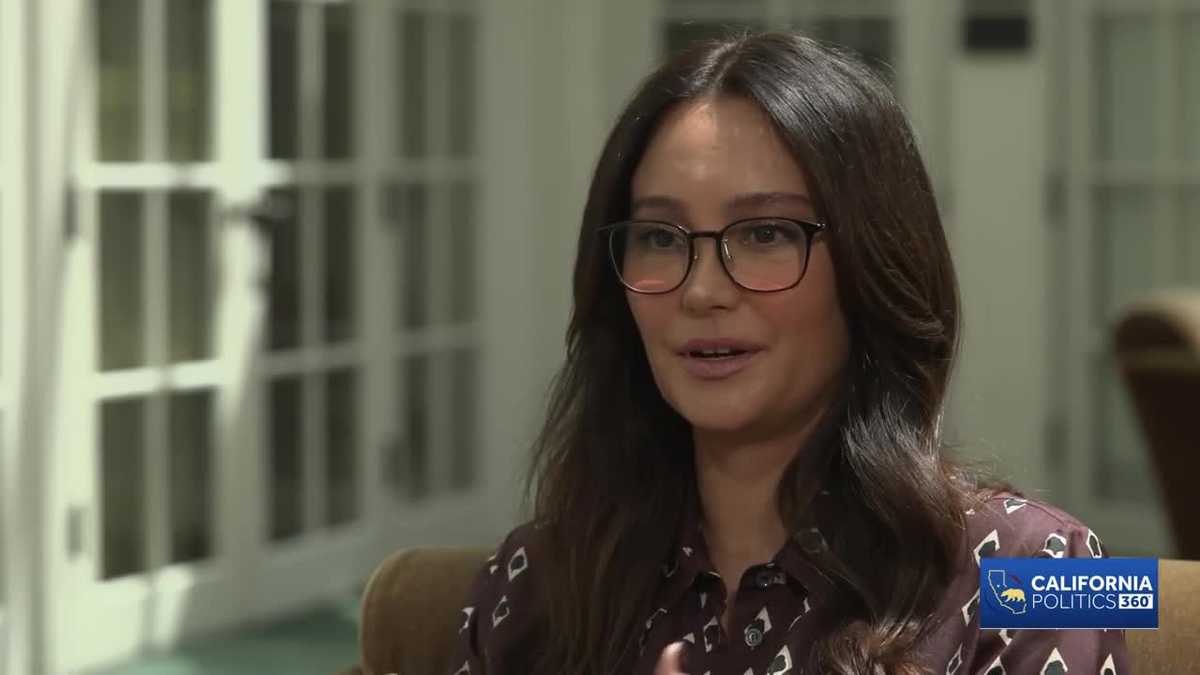
In an interview on California Politics 360, Heming Willis shared her personal experience with her husband’s diagnosis and the importance of the proposed legislation
“What was so shocking for me to learn was that when my husband, Bruce, was diagnosed here in the state of California, to learn that that diagnosis essentially just vanished. It just disappeared,” she said. “We want to be seen, we want to be counted. And what we’re asking is just that they add frontotemporal dementia onto the California neurodegenerative disease registry that already exists.”
When asked about her husband’s condition, Heming Willis said, “All things considering, you know, FTD is a really unkind disease, but he is surrounded by so much love and support, and I think we’re all doing the very best we can.”
Reflecting on the challenges faced by the FTD community, Heming Willis said, “Receiving that diagnosis and walking away with no treatment, no plan, no roadmap, I realized just how underserved this community is. It felt like a really important opportunity to be able to do something that’s been very hard but bring some momentum and life into this diagnosis. Being able to be here today is so exciting for this community. It’s so exciting for me. I really do feel like we are moving forward. And having this rare disease be seen, we hope, is really the goal.”
The bill is estimated to cost the state $2.7 million, but Heming Willis believes the addition to the registry would not be a heavy financial lift
“With Alzheimer’s, Parkinson’s, and when ALS was added, it wasn’t really a heavy lift. And we’re also just asking that to happen for FTD,” she said. “In New York, they have an FTD registry that is a standalone registry. So that is a much heavier lift for their state. For California, we’re thinking that this just might be an easier, doable add. And, again, we just want to be seen and we just want to be counted.”
Heming Willis also highlighted the potential benefits of tracking FTD cases in California. “There are some really big biotech companies here that, when they start seeing numbers of FTD, could really help with treatments and ultimately a cure,” she said
Her message to lawmakers was clear: “See us, count us. I think that’s the most important thing that we’re here and asking for.”
For those struggling with FTD, Heming Willis expressed her commitment to advocating for the community
“I think that being able to, in essence, piggyback off of Bruce and his reach—it’s not just within the U.S., he has this global reach—and I think that that is so important. So I know where it’s so difficult for people navigating this disease, their caregivers, they’re not able to be here like we are today. But I just want them to know that we are on their side. We’re here, we’re using our voices to hopefully see an end to FTD.”
Heming Willis also noted the bipartisan support for the bill
“I think having a bipartisan bill is really important. And I think what we can see is that dementia is a nonpartisan issue. Dementia can happen to anyone,” she said
“What I’ve learned is that in the year 2050, dementia cases are going to triple. So, this isn’t going away anytime soon. And I think that being able to be a part of this registry is going to be very impactful for all of us.”
KCRA 3 Political Director Ashley Zavalareports in-depth coverage of top California politics and policy issues. She is also the host of “California Politics 360.” Get informed each Sunday at 8:30 a.m. on KCRA 3
Make KCRA a preferred source on Google
Add Preferred Source
