


Indonesia continues to face outbreaks of vaccine-preventable diseases (VPD) such as measles, diphtheria and pertussis. In 2025 alone, 102 measles outbreaks and 283 pertussis outbreaks were reported. By March 2026, the country had already recorded thousands of suspected measles cases, hundreds of confirmed cases and several deaths
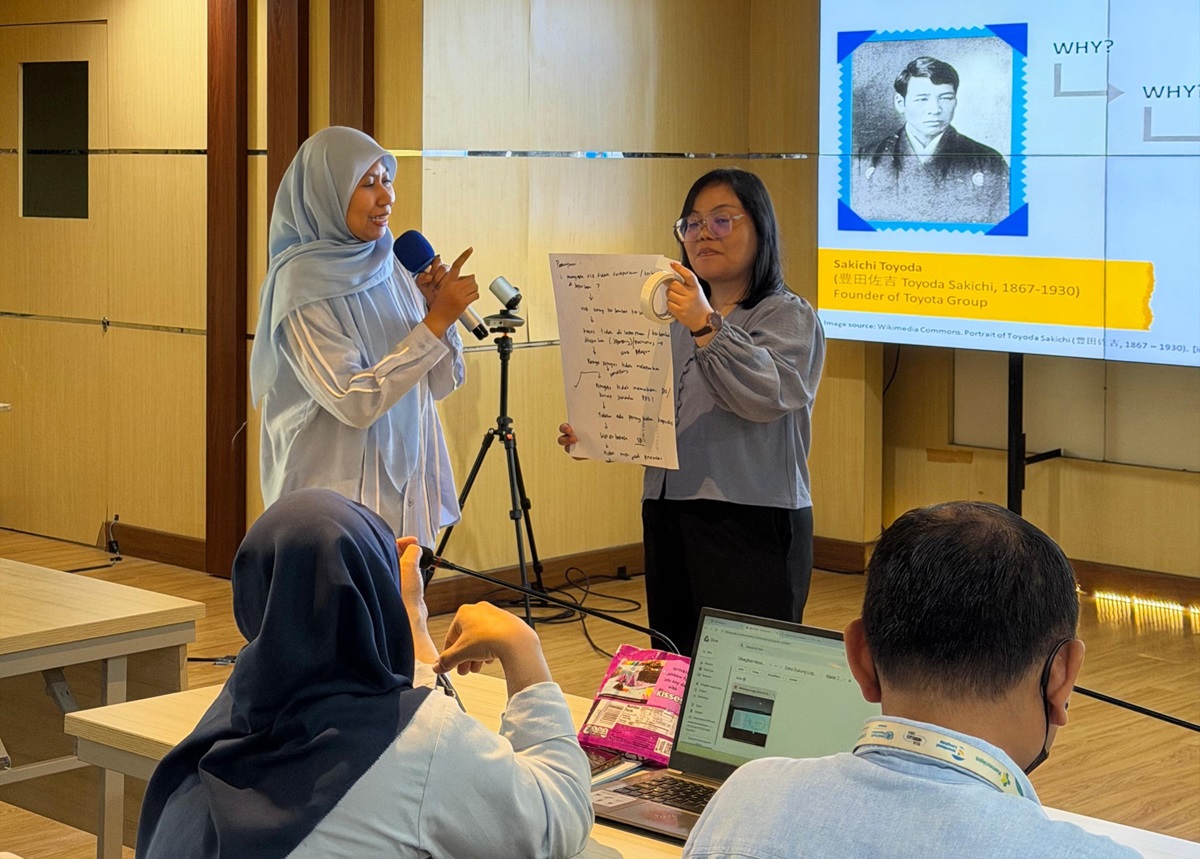
To help maintain a skilled workforce to detect and respond to outbreaks, the Ministry of Health and the World Health Organization (WHO) organised a four-day VPD Surveillance Crash Course in March 2026. The training brought together 30 ministry officers from immunization, health quarantine, emergency operations, data analysis and digital risk analysis teams
Through practical exercises and simulations, participants strengthened skills in case detection, outbreak investigation, specimen management, data analysis and situation reporting. They also learned how to use surveillance data to identify areas at higher risk and explored ways to improve coordination across programmes. A workshop on root cause analysis helped participants identify common challenges and develop practical solutions related to coordination, data quality and re
The training resulted in strong learning gains
“Strengthening VPD surveillance requires technical skills and strong collaboration across surveillance, immunization and data systems,” said Dr Sulistya Widada, Head of the VPD Surveillance and Adverse Events Following Immunization Team at the Ministry of Health. “Through this crash course, surveillance focal points enhanced their ability to detect, investigate and respond to VPD cases, while applying root cause analysis to address systemic challenges and improve coordination at national level.”
According to participant Muhammad Rizki Paranto, the training sharpened his understanding of surveillance standards and he appreciated the practical insights shared by the trainers. “Thanks to its experience-based learning approach that enabled direct and hands-on engagement, I gained hands-on skills and knowledge. The sessions on Case Management and Case Detection were especially impactful, boosting my confidence to support provinces and districts under my supervision,” he said
For Indonesia, strengthening the capacity of national surveillance officers is essential because they provide technical guidance and support to provinces and districts. Better coordination between surveillance, immunization and laboratory teams helps ensure that outbreak signals are identified and acted upon quickly, protecting communities and reducing the spread of disease
Building on the course outcomes, WHO and the Ministry of Health will continue workforce development through regular training, outbreak simulation exercises and supportive supervision. Learning materials and practical problem-solving tools will also be developed to help sustain skills and strengthen collaboration across the health system
For more information, read the full report of the crash course here
This activity is supported by GAVI, the Vaccine Alliance
