


Health and Wellbeing
Published 11 August 2026
4:31pm
By Dan Butler
Source: NITV
Skip to article content
For Torres Strait Islander broadcaster Diat Alferink, the Census is more than a count of Australia’s population
It provides data that can help remote Aboriginal and Torres Strait Islander communities understand their needs and advocate for the services, programs and infrastructure they require
Alferink is from the Kala Lagaw Ya language group of the Western Torres Strait Islands, and a descendant of the Wakaid Clan of Badu and Wagadagam Clan of Mabuiag Island
She works at the Torres Strait Islander Media Association (TSIMA), where census data helps the organisation understand the communities it serves
“Census is really important for community, especially remote Aboriginal and Torres Strait Islander communities, because it allows us to have the data that we need to find out what’s important — health indicators, education, health and wellbeing,” she said
The census is held every five years and asks Australians questions about areas including housing, employment and education
Alferink said the information was particularly valuable for organisations such as TSIMA, which uses population data to understand its audience and develop programming for the community
“TSIMA uses the census, knowing the population, if we’re talking about our listening audience as a radio station, knowing how many people are in the demographic that is Aboriginal and Torres Strait Islander,” she said
“So we’re developing programs for our community every day, every way.”
She said the census could also help communities measure progress and identify areas where further work was needed
“Census is an indicator that our people have a long way to go in our health and wellbeing, and it’s a good way for us to see where we’re at,” she said
The 2026 census is being held this evening (Tuesday August 11), with Australian Bureau of Statistics (ABS) staff travelling to remote communities to help make sure everyone is counted
More than 30,000 people are working on the census across Australia
In remote communities, locals and visitors have been employed to conduct face-to-face interviews and record answers for people who speak English as a second or third language
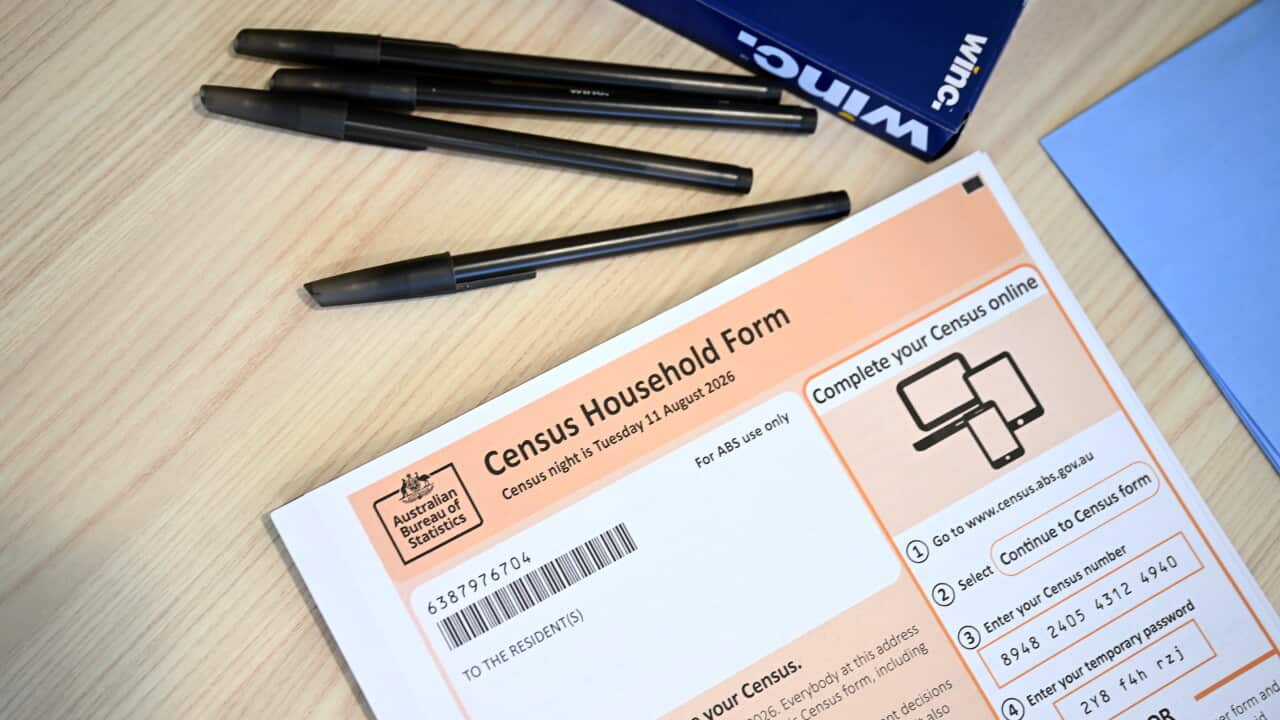
Paper forms are also available for people who do not have access to the internet
ABS workers will remain in remote communities until September, with many of the staff recruited locally specifically for the census
Charles Darwin University demographer Professor Andrew Taylor said reaching people in remote communities was one of the ABS’s key challenges
“One of the key areas of focus for the ABS is in Indigenous remote communities, where again some can be hard to get to,” he said
“People might not really understand why we’re doing a census and how their data might be used.”
Professor Taylor said employing local people who could speak community languages was an important part of encouraging people to participate
“So, the ABS tries to employ local people in that respect to speak language and to encourage people that way to complete their censuses fully, so that communities have a better chance of getting the funding, the infrastructure, and the services that they need moving forward.”
For remote Aboriginal and Torres Strait Islander communities, the census is important because accurate population data is used to determine funding for health and education services, housing and infrastructure needs
