


Céline Dion is more than ready to get back on the stage and re-emerge into public life. But after nearly two decades of debilitating symptoms and years of hiding from the crowds, the Canadian singer’s goal of getting back to her fans is easier said than done
In preparation for her upcoming residency in Paris starting mid-September, the 58-year-old artist is working hard to be performance-ready. In a Harper’s Bazaarcover story published Tuesday, the “Power of Love” songstress has been doing Pilates sessions three times a week and ballet lessons on the other two days. The intensive therapy comes four years after she was diagnosed with stiff-person syndrome (SPS), of which she’d experienced symptoms for 17 years
At times, Dion shared her condition was so painful she’d have to take high doses of Valium to function: “It is a progressive condition. I don’t like to say ‘disease.’ Disease makes you go like this,” she added in the interview, scrunching her nose. “‘Kevin, you’re such a disease.'”
Advertisement
Advertisement
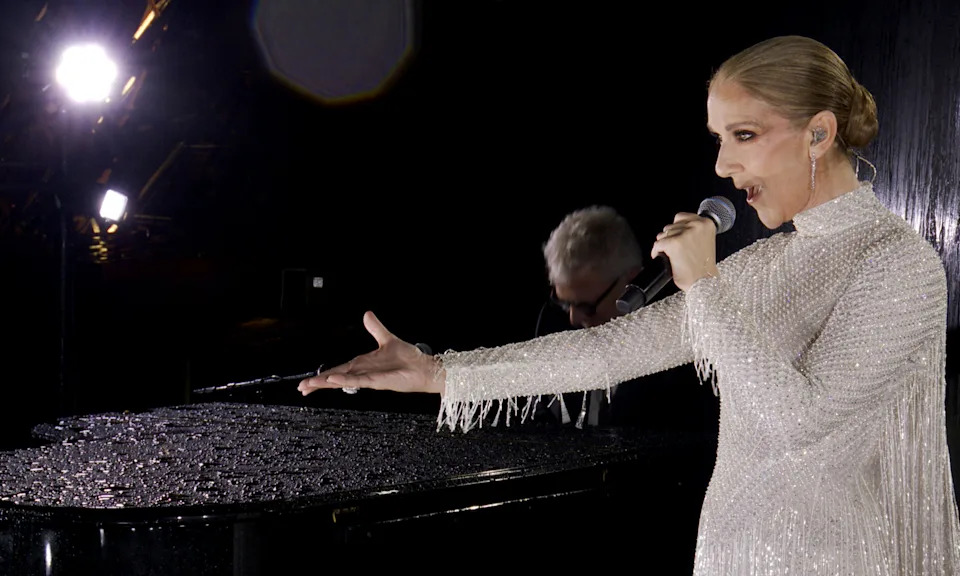
The Quebecois singer, who has only performed once in the last six years at the 2024 Paris Olympics, also opened up about returning to the stage this fall, which she announced back in March around her birthday. The demand was so intense that her residency in France is now set for a May 2027 run
“It’s been so long, I would like to offer [fans] something to show how I’ve missed them,” Dion added
This article is for informational purposes only and is not a substitute for professional medical advice, diagnosis or treatment. Contact a qualified medical professional before engaging in any physical activity, or making any changes to your diet, medication or lifestyle
The “My Heart Will Go On” hitmaker first revealed her SPS diagnosis in December 2022 after cancelling several dates of her Courage World Tour. She shared more about her condition in the 2024 documentary, I Am: Céline Dion
Advertisement
Advertisement
In a 2024 interview withTODAY, Dion said she noticed her voice becoming more nasal during her “Taking Chances” world tour that ran from 2008 to 2009. Dion’s team lowered the key of her songs to compensate for the voice changes
The “Drove All Night” singer admitted that caring for her husband, Renée Angélil, who was battling throat cancer, as caring for her three sons was a distraction from her worsening symptoms
Although she kept her health struggles private, she decided to go public with her health news after receiving a formal SPS diagnosis
“Feeling my body leaving me, holding on to my own dreams … I could not do this anymore,” she told host Hoda Kotb. “Lying for me, the burden was too much. Lying to the people who got me where I am today, I could not do it anymore.”
But what is SPS and is it a disorder you should worry about? Keep reading to learn more about the illness and its warning signs
What is stiff-person syndrome (SPS)?
As per the Stiff Person Syndrome Foundation, the rare autoimmune condition affects the central nervous system, specifically the brain and spinal cord
Advertisement
Advertisement
People with SPS “can be disabled, wheelchair bound or bedridden, unable to work and care for themselves.” The syndrome is characterized by muscle spasms and rigidity, severe stiffness and pain
SPS patients also have a heightened sensitivity to stimuli such as noise, touch and emotional distress, which can set off the spasms

While SPS is a rare disease, more people are affected than reported due to misdiagnoses. Overall, it can take up to seven years to identify
SPS can often be mistaken for multiple sclerosis, Parkinson’s, fibromyalgia, psychosomatic illness, anxiety, phobia and other autoimmune diseases
What are the signs and symptoms of stiff-person syndrome?
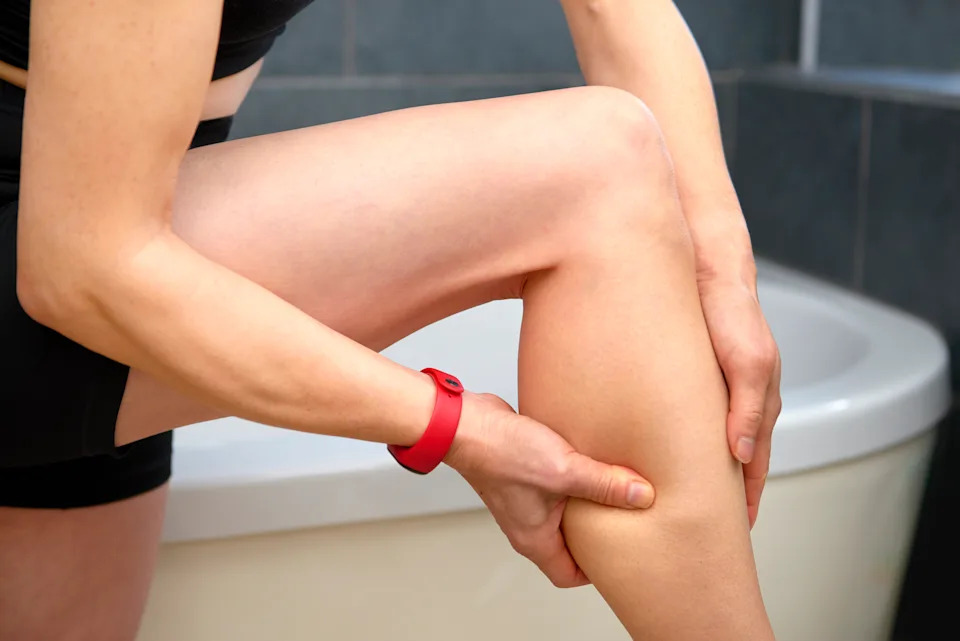
The typical symptoms of SPS include muscle rigidity, hyper-stiffness and “spasms in muscles of the trunk, including the back and limbs.” The tremors’ severity is variable from episode to episode
Advertisement
Advertisement
Moreover, the neurological disease has autoimmune features that can also include “debilitating pain, chronic anxiety” and muscle spasms “so violent they can dislocate joints and even break bones.”
In the early stages of SPS, spasms and stiffness may be subtle and fluctuate daily. There can be periods when symptoms seem stable, while other times they can be more noticeable and rapid
At times, the muscle spasms may be brief, lasting minutes. However, they can also last hours or days
Other key warning signs include changes in posture, increased stress and anxiety, and trouble breathing
If you or someone you know is experiencing any of the above symptoms, contact your doctor or a medical professional as soon as possible
Who is at risk of stiff-person syndrome?
SPS is extremely rare and affects twice as many women as men. Symptoms can occur at any age, but SPS usually develops between the ages of 40 and 50
Advertisement
Advertisement
The condition is usually associated with other autoimmune diseases such as vitiligo, diabetes, pernicious anemia and thyroiditis
Overall, health-care professionals are unsure exactly what causes SPS, but some research indicates it results from a faulty autoimmune response in the spinal cord and brain
How is stiff-person syndrome treated?
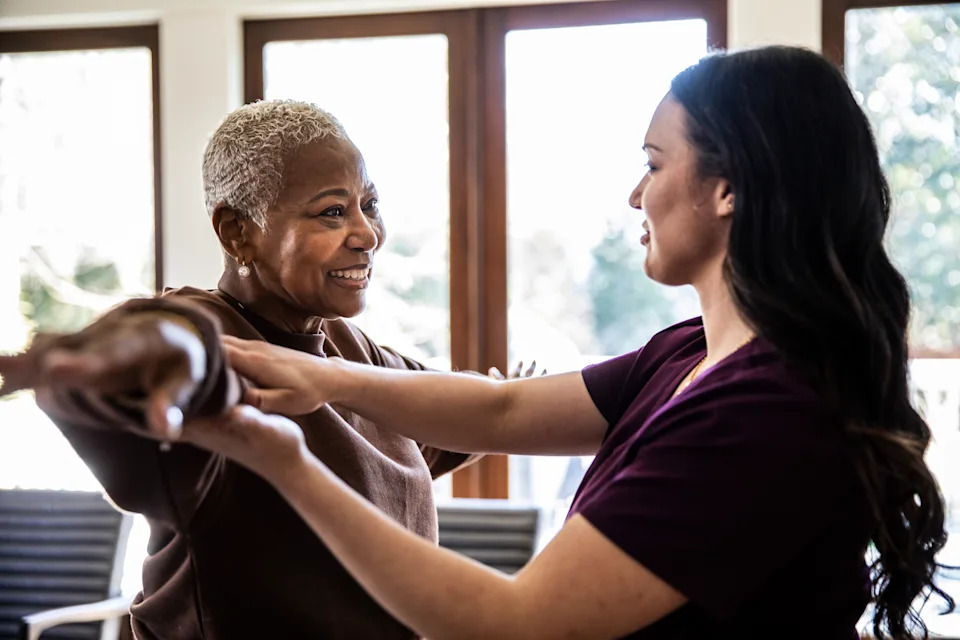
Currently, there is no cure for SPS. Treatment focuses on pain relief and symptom management associated with muscle spasms, such as physiotherapy, a stretching and strengthening program and massage therapy
In some patients, immunotherapy and other medications may help to reduce stiffness, pain and specific autoimmune abnormalities. That said, most people with SPS have at least some degree of disability
Advertisement
Advertisement
If depression and anxiety are present, mental health therapy is encouraged, along with visiting a pain and chronic illness centre for regular check-ups
Let us know what you think byemailing usor threading us@yahoocanada. Follow us onTikTok,WhatsAppandInstagram