


<img src="https://healthylife7.com/wp-content/uploads/2026/08/sencka-C4-91-4.png” alt=”senckađ”>



EDITION→
Global
•
USA
•
UK
•
AUNZ
•
CANADA
•
IRELAND
•
FRANCE
•
GERMANY
•
ASIA
•
EUROPE
•
LATAM
•
MEA
Edition : InternationalLanguage : English
HOME
NEWS
CREATIVE LIBRARY
IMMORTAL AWARDS
MEMBER COMPANIES
PEOPLE
JOBS
How LBB WorksPlans & PricingEditorial Toolkit

news
NEWS
CREATIVE LIBRARY
IMMORTAL AWARDS
MEMBER COMPANIES
PEOPLE
JOBS
Login or Register
Trends and Insight in association withLBB Events
Trends and Insight
Creators Are “Accelerating GLP-1 Awareness”, Turning Weight Management Drugs Into “Cultural Conversation”
12/08/2026
 lbbonline.com
0
LIKE
ADD TO COLLECTION
12/08/2026
Share
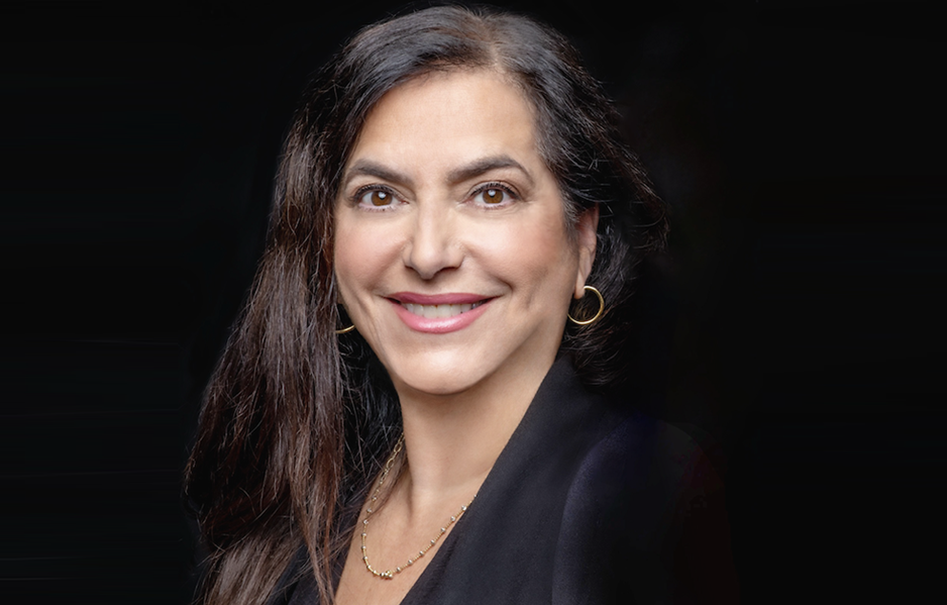
Allison Worldwide Global CEO Wendy Lund talks to LBB’s Laura Swinton Gupta about research into GLP-1 attitudes in the UK and USA, and how creator marketing is changing perceptions
New research into consumer perceptions of GLP-1 drugs has found that creator and influencer marketing is having a significant impact on public opinion
Wendy Lund global CEO of Allison Worldwide, which published the research alongside Stagwell’s strategic research firm HarrisX, says it’s the unique intimacy and authenticity of influencer and creators’ personal stories that is proving to be so effective
“Creators are playing this really powerful role in transforming what is really a prescription drug into more of a cultural conversation, educating, influencing, and helping shape public understanding in real time,” she says. “I don’t know that there’s anyone else who could really do that, especially coming from more of a patient or consumer perspective. They’re not just creating awareness, they’re normalising them because they’re sharing their lived experiences that are real and happening right now, making everything more socially acceptable.”
The survey found that 58% of Americans and 49% of Brits say seeing influencers or content creators discuss GLP-1 medications made them view the drugs more positively. Not only that, but as negative judgement lingers around the drugs (for example, this study in the International Journal of Obesity which shows that people judge GLP-1 users more harshly than those who lose weight through dieting), the HarrisX-Allison research finds that 51% of Americans and 55% of Brits say that creators talking about GLP-1s is helping to reduce that stigma.
The real life stories shared by creators helps to normalise usage which, says Wendy, is key to social marketing’s success. “Creators bring their own stories to life and make people feel more comfortable and reassured. That creates more normalisation, and therefore people are more likely to ask their healthcare provider, talk about it with friends and family, and stay on the drug. It really becomes a positive cycle where people are more enabled to be successful.”
It’s something that Wendy, who is also Stagwell’s vice chair of health, has witnessed up close. At Cannes, Wendy says she worked with one creator who, after suffering heart attacks and a stroke when she was 100 pounds overweight, had turned to GLP-1 medications.. Wendy says that hearing her story, how good she felt and how her health metrics had improved was “really impactful”
“Her story and others are increasingly shaping how people evaluate these treatments and the stigma around them,” says Wendy. “Stigma is to me the prevailing reason why people don’t get diagnosed, don’t go on treatment, don’t stay on treatment, and frankly are not successful. Removing stigma leads us to a much healthier outcome.”
Unlike most other marketing categories that leverage creator marketing, Wendy says that the creators show real bravery in opening up about their weight and medication journeys, two topics which can attract negativity and trolls
“These are the pioneers in many ways, these creators right now, that will lead to more and more,” says Wendy. “This isn’t like selling make-up… These are brave souls that have suffered. It starts with the fact that when you are obese or even overweight, and especially for women, if you’re a pound overweight it’s very tough.”
However, she believes that we will continue to see more and more people choose to share their experiences as judgement subsides and access increases
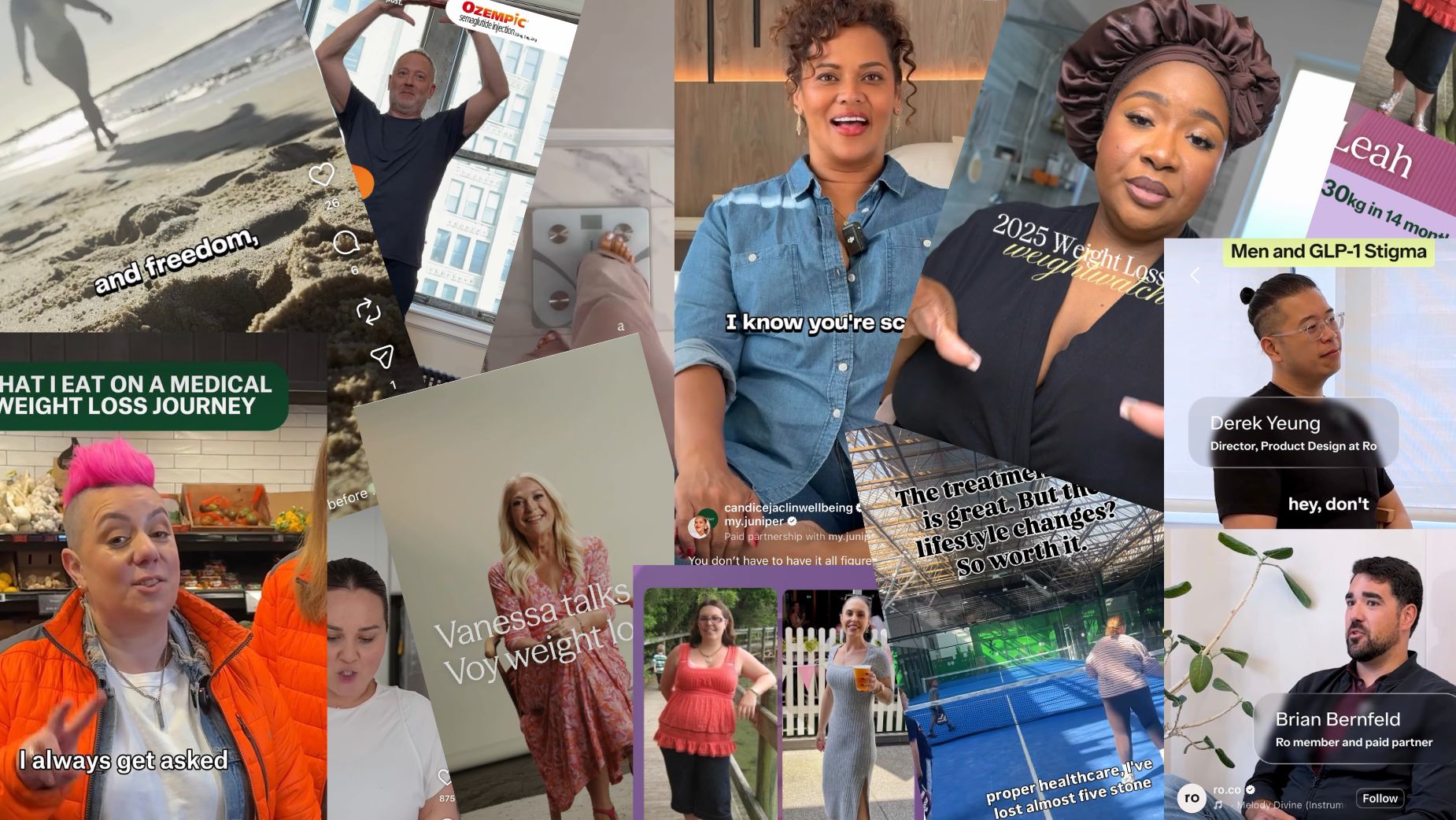
A snapshot of GLP-1 creator marketing for providers Ro, Voy, Juniper, Weight Watchers
Aside from the insight into the impact of creator marketing, the HarrisX-Allison survey also uncovered three other key themes. The first is that interest in GLP-1s extends beyond the current user base, though cost and access are still significant barriers to “wider adoption”
The next was a culture gap between the USA and UK. The research found that Americans were more likely to approve of GLP-1s as weight loss tools as a “responsible health choice”, while Brits are still more likely to perceive the drugs as a “shortcut”. This reflects the different healthcare systems, where in the UK people are used to their access to medication being largely controlled by the NHS. It’s also the case that GLP-1s have been available for weight loss in the US for longer than in the UK (Wegovy became available in 2021 in the US and 2023 in the UK). “I think it will catch up,” says Wendy.
The final major trend uncovered by the survey was that those who have taken GLP-1 medications say they work better than expected
For Wendy, GLP-1s are turning out to be a “medical and cultural revolution”, but they’re also transforming healthcare marketing. A sector that has always sat outside of the mainstream of advertising has suddenly been thrust into the heart of conversation
“Having worked in the health space my whole career in both marketing and communications, I personally have never seen a time where health has been so influenced by culture and culture has been so influenced by health,” says Wendy. “It’s really a groundbreaking time for us as we look at it, because health kind of always sat outside of that.”
More than that, she says that GLP-1 marketing will have a larger impact on the broader healthcare space, opening up new creative avenues and kinds of stories for all sorts of healthcare and pharmaceutical brands
“It’s more about how to integrate medical information and lived experience into the way they do marketing: really culturally relevant storytelling. How can you speak in the tongue and the heads of the way people are thinking about this? Authenticity here is really important, because what goes along with that is empathy. For so long, for people who struggle and suffer with this and want to get healthy and feel good, empathy has been lacking. Empathy will grow as we see more and more people talking about it and understanding what it’s like.”
CreditsAdd my Credit

Trends and Insight in association withLBB Events
More News from Allison
 Cannes Lions 2025 Grand Prix Winners in Creative B2B, Creative Data, Direct, Media, PR, and Social & Creator19/06/2025
 Lingokids Puts Parent Guilt on Trial in First of Its Kind Campaign08/05/2025
 Leo Chicago Turns Boy’s Viral 911 Ice Cream Call into a Sweet Tillamook Campaign19/03/2025
ALL THEIR NEWS
Work from Allison
 The TrialLingokids
08/05/2025
 Who’s That – GoDaddy’s Back in the GameGoDaddy
09/01/2025
 It Takes Little to be BigBig Brothers Big Sisters of America
15/09/2023
ALL THEIR WORK
SUBSCRIBE TO LBB’S newsletterEnter your email
FOLLOW US
Events
DPA + SLA (+ US Add.)
MyLBB Score
About Us
Contact
Editorial Toolkit
Help & FAQ
Privacy Policy
Main Terms & Conditions
Newsletters
Create your own LBB icons
How it works
Plans & Pricing
LBB’s Global Sponsor

Language:English
© 2005-2023 LBB Ltd·Privacy and Cookie Policy·Terms and Conditions
v2.25.1
