


By
- Dallas Gagnon | MassLive.com
A major drug maker is facing a deceptive advertising lawsuit after a competitor accused it of using ‘deliberately false’ and ‘outdated’ comparisons in ads for its weight-loss products
Novo Nordisk, a major player in the weight-loss drug industry, filed suit against Eli Lilly on July 21, accusing the rival drugmaker of running deceptive ad campaigns that compare its weight-loss and diabetes drugs to outdated, lower doses of Novo Nordisk’s competing medicines
The lawsuit, filed in the U.S. District Court for the District of New Jersey, brings claims under the Lanham Act along with New Jersey statutory and common-law unfair competition claims
Novo Nordisk’s complaint centers on two advertising campaigns
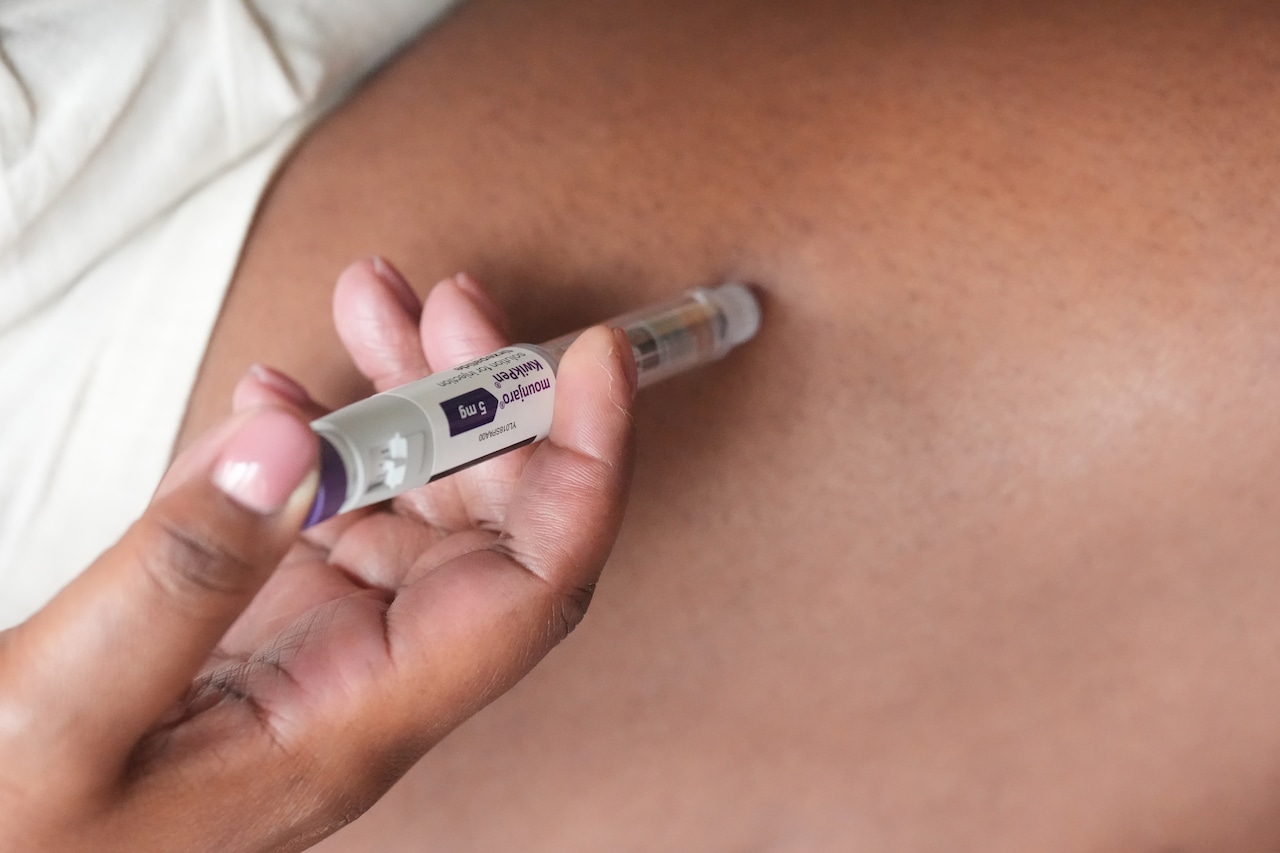
The first compares Lilly’s obesity drug Zepbound to Novo Nordisk’s Wegovy; the second compares Lilly’s diabetes drug Mounjaro to Novo Nordisk’s Ozempic
One Lilly television commercial tells viewers that patients on Zepbound lost an average of 50 pounds, compared to 33 pounds for patients on Wegovy
That comparison comes from a 2023-2024 Lilly trial that measured Zepbound’s two highest doses against Wegovy’s two lowest currently available doses
- Read more:While Mass. biotech layoffs surge, this pharma company is on a $20B buying spree
Novo Nordisk argues that comparison is now outdated because the FDA approved a new, higher dose of Wegovy in March 2026 — a dose the Zepbound ad never tested
Novo Nordisk’s own clinical trial found that patients on the higher Wegovy dose lost an average of 47 pounds, which the company says is clinically consistent with Zepbound’s results in Lilly’s own trial data
Novo Nordisk makes a similar claim about Lilly’s Mounjaro ad, which tells consumers that Mounjaro reduced blood-sugar levels more than Ozempic
The company says that comparison relies on a 2021 trial that never tested a higher-dose version of Ozempic that the FDA approved more than four years ago
In its release announcing the suit, Novo Nordisk said Lilly’s ad campaigns create “the misleading impression that Lilly’s medicines are superior,” and that people “deserve evidence-based, up-to-date information they can trust when making decisions about their health.”
John F. Kuckelman, Novo Nordisk’s senior vice president and group general counsel, said healthcare companies have a responsibility to keep their public claims accurate, and that “ineffective, fine-print disclaimers do not fix the misleading impression created by major national campaigns,” according to the company’s statement
Novo Nordisk says it sent Lilly a cease-and-desist letter in April demanding the company pull the ads, but Lilly never formally responded
- Read more:Millions of Americans now eligible for GLP-1 medication at $50 a month: How to apply
Lilly did modify its Zepbound commercial afterward to add limited disclaimer language, though Novo Nordisk argues those changes weren’t enough to fix the ad’s central message
The lawsuit seeks a permanent injunction barring Lilly from continuing to run the disputed ads, an order requiring Lilly to run a corrective advertising campaign, and unspecified monetary damages
If Lilly doesn’t voluntarily pull the ads, Novo Nordisk says it plans to seek a preliminary injunction in the coming days
- Popular allergy medication recalled nationwide for drug contamination, death risks
- Haitians with temporary protected status, employers wait in limbo in Mass.
- Springfield’s Prefere Melamines celebrates 80 years in business
- Springfield courthouse proposals released: Winning bid saves taxpayers $300M
- ‘Food-forward’ Target opens at Springfield Crossing
