


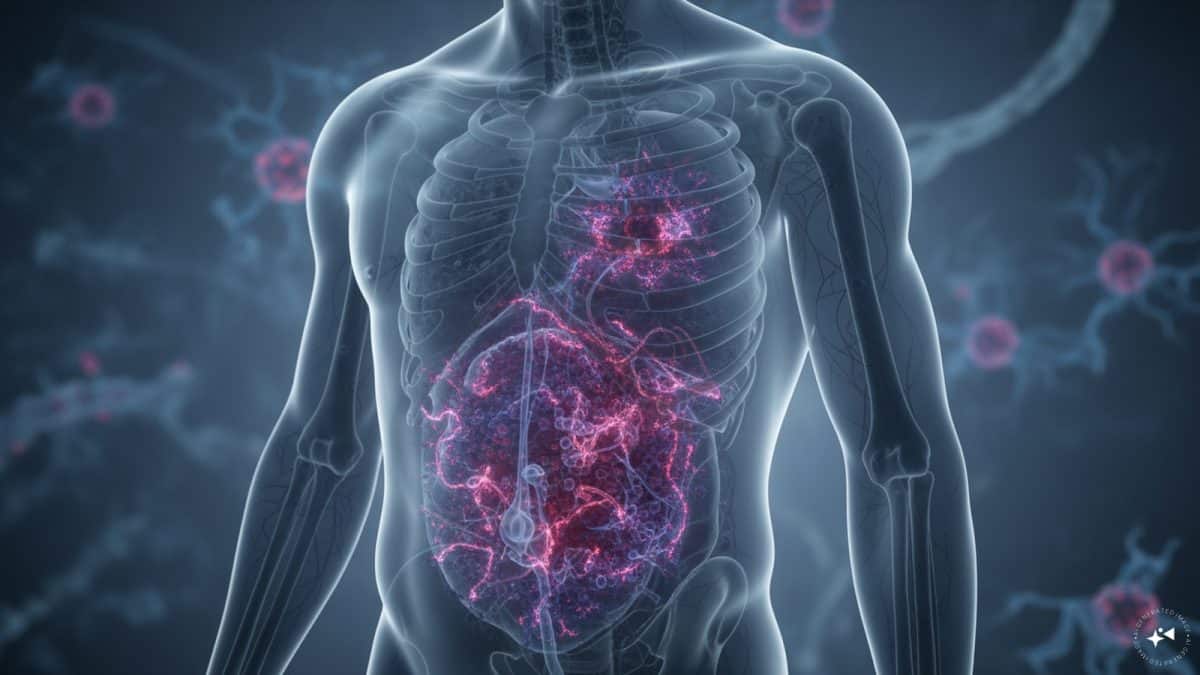
Doctor explains: The obesity-cancer link and why excess weight matters more than you think
Firstpost brings out an expert’s view on the growing link between obesity and cancer, how excess body fat may increase cancer risk, why BMI alone may not tell the full story, and what people can do to reduce their risk
FP News Desk|Aug 22, 2026, 16:48:54 IST
Excess weight is often discussed in terms of diabetes, heart disease and other metabolic disorders, but its relationship with cancer is increasingly becoming an important part of the health conversation. Research has linked overweight and obesity to a range of cancers, including postmenopausal breast, colorectal, endometrial, oesophageal, kidney, liver and pancreatic cancers. According to the US National Cancer Institute, excess body weight is associated with an increased risk of at least 13 types of cancer.
The relationship, however, is not as simple as saying that obesity causes cancer. Excess body fat can influence several biological processes, including chronic inflammation, insulin resistance, hormone levels and metabolic function, potentially creating conditions that favour abnormal cell growth. At the same time, cancer risk is shaped by a combination of factors, including age, genetics, lifestyle and environmental exposures
Advertisement
The issue takes on added significance in India, where metabolic risks can occur at lower BMI levels among South Asians. ICMR guidelines suggest that, at the same BMI, South Asians can have higher body fat, visceral fat and insulin resistance than white populations, highlighting why measures beyond BMI can be important
So, does losing weight lower cancer risk? What role do inflammation, insulin resistance and hormones play? Can obesity during adolescence influence cancer risk decades later? And as GLP-1 drugs become increasingly popular for weight management, could they eventually have a role in cancer prevention?
Firstpost spoke to Dr J.B. Sharma, Director, Medicine and Therapeutics, Oncology, Action Institute of Medical Oncology & Immunotherapy, Action Cancer Hospital, Delhi, to understand the link between obesity and cancer, the limitations of BMI, the importance of abdominal fat and metabolic health, and what people can do to reduce their risk
How strong is the link between obesity and cancer? Does obesity mean someone will develop cancer?
Dr Sharma: There is a clear association between obesity and several types of cancer
However, being obese does not necessarily mean that a person will develop cancer. It can increase the probability of developing certain cancers, with the risk influenced by the amount of excess body fat and the duration of obesity, as well as factors such as age and genetics
Advertisement
Research over the past several years has strengthened our understanding of the relationship between obesity and cancer. Excess body fat can disrupt biological processes, including inflammation, hormonal regulation and metabolism, which can contribute to cancer development
However, obesity is only one of several factors associated with cancer risk. Maintaining a healthy weight and lifestyle can help reduce the risk
How does excess body fat increase cancer risk?
Dr Sharma:Obesity can cause metabolic disturbances that create conditions favourable to cancer development. Excess body fat can contribute to chronic inflammation and tissue damage, which may promote abnormal cell growth
Insulin resistance can increase levels of insulin and insulin-like growth factors, while increased body fat can alter hormone levels such as oestrogen. These changes can influence cell proliferation
Fat tissue is also metabolically active and can release substances that affect cell activity. Chronic low-grade inflammation, immune changes and oxidative stress may further contribute to the survival and proliferation of damaged cells
Which cancers are most strongly linked to obesity?
Dr Sharma: Scientific evidence has established associations between obesity and several cancers, including postmenopausal breast cancer, colorectal cancer, pancreatic cancer, kidney cancer, liver cancer, endometrial cancer and oesophageal adenocarcinoma
Advertisement
Among these, endometrial cancer has one of the strongest associations with obesity. Oesophageal adenocarcinoma is also strongly linked to excess body weight
Can rising obesity help explain increasing cancer rates among younger adults?
Dr Sharma:Obesity may be one of the factors contributing to cancer at younger ages, but it cannot explain the entire trend
Other factors may include diet, physical inactivity, alcohol and tobacco use, environmental exposures, changes in gut microbiota, genetic predisposition and improvements in cancer detection and diagnosis
Does the duration of obesity matter?
Dr Sharma: Yes. The duration of obesity is significant because prolonged exposure to inflammation, insulin resistance and hormonal disturbances may increase health risks
Developing obesity during adolescence or early adulthood can result in a longer lifetime exposure to these factors. Therefore, maintaining a healthy weight throughout life is important rather than focusing only on weight later in adulthood
Can losing weight reduce future cancer risk?
Dr Sharma:Intentional and sustained weight loss may reduce the risk of certain obesity-related cancers. Studies involving people who have lost substantial amounts of weight have shown promising results regarding reductions in the risk of some cancers
However, weight management should be sustainable and should form part of an overall healthy lifestyle. Evidence from observational studies supports an association between weight loss and lower risks of some cancers, although researchers continue to study the extent of the benefit
Is BMI enough to assess obesity-related cancer risk?
Dr Sharma: BMI is a useful measure, but it should not be the only factor considered. Two people with the same BMI can have very different amounts and distributions of body fat
Waist circumference and visceral fat can provide additional information about metabolic risk. Excess abdominal fat is associated with metabolic changes, including insulin resistance and inflammation
Other factors such as blood glucose, cholesterol and blood pressure should also be considered when assessing an individual’s overall metabolic health
Q8. Should people with obesity undergo cancer screening earlier or more frequently?
Ans: Obesity does not automatically mean that everyone should undergo cancer screening earlier or more frequently. Screening should be based on factors such as age, sex, family history and individual health risks
People should discuss with their doctors whether screening for cancers such as breast, colorectal and cervical cancer is appropriate for them
Could GLP-1 weight-loss drugs also affect cancer risk?
Dr Sharma: GLP-1 receptor agonists can help with weight loss and improve metabolic health, which may potentially reduce the risk of some obesity-related cancers. However, it is premature to say that these drugs can prevent cancer
More research is needed to understand their effects on different cancer types and to determine whether any potential benefit comes from the medicines themselves or from weight loss and associated metabolic improvements. Current research remains mixed and does not yet establish GLP-1 drugs as cancer-prevention medicines
What can people do to reduce their risk of obesity-related cancer?
Dr Sharma:A healthy lifestyle is very important for cancer prevention. It should not be focused only on body weight
People should follow a healthy, fibre-rich diet, limit processed foods and alcohol, avoid smoking, remain physically active, get adequate sleep and maintain healthy blood sugar levels
Physical activity is also independently associated with a lower risk of several cancers, making it an important component of cancer prevention
Are Indians at risk of metabolic complications at lower BMI levels?
Dr Sharma: Yes. Abdominal obesity, insulin resistance and other metabolic abnormalities can occur in Indians and other South Asians even at relatively lower BMI levels
Therefore, relying only on conventional BMI cut-offs may overlook some people at increased metabolic risk. In India, prevention strategies should also consider waist circumference, abdominal and visceral fat, metabolic health, diet and physical activity
This is particularly important because someone may have a normal or only slightly elevated BMI while carrying excess abdominal fat, which is often associated with metabolic disorders. Prevention in India should therefore not rely on body weight and BMI alone. Greater awareness of abdominal obesity, metabolic health, exercise and healthy eating can be very beneficial
Tags
Health
First Published:Aug 22, 2026, 16:48:54 IST
