

Close Menu
healthylife7.comhealthylife7.com

    Subscribe to Updates

    Get the latest creative news from FooBar about art, design and business.

    What's Hot

    WHO Backs Self-Care for HIV, TB, Hepatitis, STIs, Mental Health

    July 28, 2026

    American medicine is finally trading reaction for prevention

    July 28, 2026

    This eating habit could help boost brain health, study finds

    July 28, 2026
    Facebook X (Twitter) Instagram
    Trending
    • WHO Backs Self-Care for HIV, TB, Hepatitis, STIs, Mental Health
    • American medicine is finally trading reaction for prevention
    • This eating habit could help boost brain health, study finds
    • Sasha Obama’s signature off-duty style is taking shape with another effortless gym look
    • What Is the Healthiest Type of Honey? Dietitians Reveal the No. 1 Pick
    • Incoming Brody class at 96 is biggest ever
    • Three Birds Casual ‘entertained’ outdoor lifestyle trends with Atlanta intros
    • Uganda declares end to Ebola outbreak
    Facebook X (Twitter) Instagram
    healthylife7.comhealthylife7.com
    • Home
    • Fitness
    • Health
    • Nutrition
    • Lifestyle
    • Conditions
    • Mental Health
    • Weight Loss
    • Wellness Tips
    Tuesday, July 28
    healthylife7.comhealthylife7.com
    Home»Weight Loss»Eating Within 8-9 Hours May Protect Brain Health Better Than Weight Loss Alone
    Weight Loss

    Eating Within 8-9 Hours May Protect Brain Health Better Than Weight Loss Alone

    healthylife7By healthylife7July 28, 2026No Comments4 Mins Read
    Facebook Twitter Pinterest LinkedIn Tumblr Reddit WhatsApp Email
    Eating Within 8-9 Hours May Protect Brain Health Better Than Weight Loss Alone
    Share
    Facebook Twitter LinkedIn Pinterest WhatsApp Email

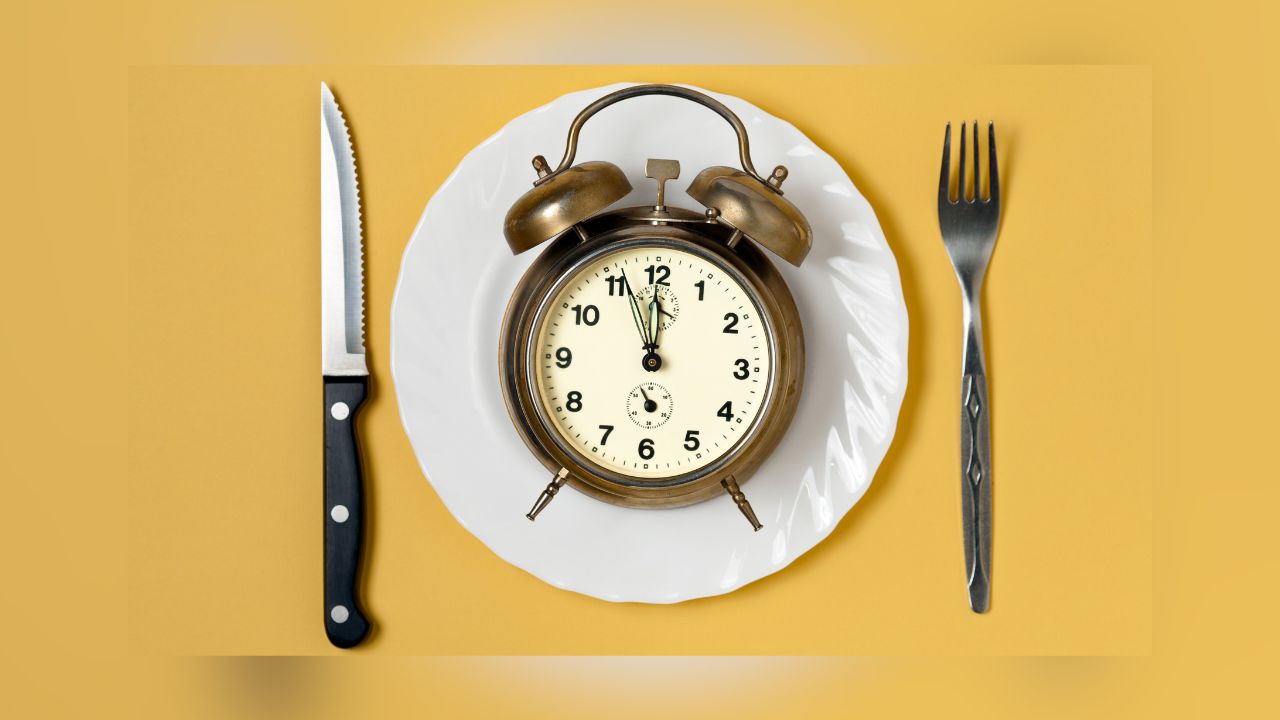
    A new study suggests that when people eat may be just as important as what they eat when it comes to protecting brain health

    Researchers found that older women who limited their meals to an eight- or nine-hour window each day showed modest improvements in memory, problem-solving, and planning skills compared with women who ate over a more typical 12-hour period. The findings were presented this week at NUTRITION 2026, the annual meeting of the American Society for Nutrition

    While the results are encouraging, researchers caution that the study was small and does not prove that time-restricted eating prevents dementia. Larger studies will be needed to confirm the findings

    Study Examined Meal Timing and Cognitive Health

    The six-month clinical trial included 47 women between the ages of 50 and 79 who were overweight or obese, both factors associated with an increased risk of cognitive decline and dementia

    All participants were instructed to reduce their daily calorie intake by 500 calories as part of a weight-loss program. However, 26 women were also asked to consume all of their meals within an eating window of less than nine hours per day, typically between 10 a.m. and 6 p.m. The remaining participants continued eating over an average period of about 12 hours each day

    Despite similar <a href="https://healthylife7.com/how-craig-robinson-lost-50-pounds-the-simple-weight-loss-strategy-that-changed-his-life/” title=”How Craig Robinson Lost 50 Pounds: The Simple Weight Loss Strategy That Changed His Life”>weight loss, researchers found important differences in cognitive performance

    Time-Restricted Eating Linked to Better Thinking Skills

    Women who followed the eight- to nine-hour eating schedule performed significantly better on tests measuring spatial planning and problem-solving than those who maintained a longer eating window

    Researchers also found that participants in the time-restricted eating group tended to make fewer mistakes on tests involving memory and learning, although those improvements did not reach statistical significance. No meaningful differences were found between the groups on tests measuring reaction time or multitasking

    “These outcomes suggest a better ability to remember information during everyday tasks and reducing mistakes related to memory, attention and problem-solving,” said principal investigator Dr. Sue Shapses, a professor at Rutgers University and Rutgers Robert Wood Johnson Medical School, Science Daily reported. “Reductions in the eating window predicted greater improvements.”

    Weight Loss Alone May Not Explain the Benefits

    Because both groups lost nearly identical amounts of weight, researchers believe the timing of food intake may have contributed to the improved cognitive performance

    “Losing weight alone will ward off some of the aging-related cognitive decline, and these data suggest that there may be additional benefits if you stop eating four hours prior to going to sleep and reduce food intake to 8-9 hours per day, compared to the usual eating window of 12 hours per day,” Shapses said

    Researchers believe the benefits could be related to several biological processes, including improved circadian rhythm, reduced inflammation, better metabolic health and changes in nutrient-sensing pathways

    Dementia Cases Continue To Rise

    The researchers noted that Alzheimer’s disease and other forms of dementia are becoming increasingly common as the population ages. Women and people who are overweight or obese face a higher risk of developing these conditions

    Although previous research has linked healthy diets and lifestyle habits to better brain health, relatively few clinical trials have examined whether changing eating schedules alone can reduce dementia risk

    More Research Needed

    Researchers emphasized that the findings should be interpreted cautiously because of the study’s small size and limited participant population

    Future studies will evaluate whether similar cognitive benefits occur in larger and more diverse groups of people and will explore the biological mechanisms that may explain why limiting daily eating hours could help support brain health

    For now, the findings suggest that pairing weight loss with an earlier, shorter eating window may offer additional cognitive benefits, but experts say more evidence is needed before recommending time-restricted eating specifically as a strategy to reduce dementia risk

    brain Eating hours protect within
    healthylife7
    • Website

    Related Posts

    This eating habit could help boost brain health, study finds

    July 28, 2026

    Want to lose weight without eating less? Dietitians say this ‘volume’ strategy can help

    July 28, 2026

    FlyteHealth Achieves General Availability in the CMS Health Technology Ecosystem, Recognized at One-Year Anniversary Event in Washington, D.C.

    July 28, 2026
    Leave A Reply Cancel Reply

    Health
    Lifestyle

    WHO Backs Self-Care for HIV, TB, Hepatitis, STIs, Mental Health

    By healthylife7July 28, 20260

    As we mark International Self-Care Day on 24 July, it is a timely moment to highlight how WHO is championing self-care approaches for HIV and other diseases. This topic will be in the spotlight at the upcoming 26th International AIDS Conference (AIDS 2026) in Rio de Janeiro from 26–31 July. Self-care is the ability of…

    American medicine is finally trading reaction for prevention

    July 28, 2026

    This eating habit could help boost brain health, study finds

    July 28, 2026

    Sasha Obama’s signature off-duty style is taking shape with another effortless gym look

    July 28, 2026
    Stay In Touch
    • Facebook
    • Twitter
    • Pinterest
    • Instagram
    • YouTube
    • Vimeo
    Fitness

    Opinion: The FDA must put biotech at its center or continue to cede early research to China

    July 6, 2026

    Inside Elevance’s digital chronic disease management strategy

    July 6, 2026

    Best, Worst States For Well

    July 6, 2026

    What do the Middle Ages tell us about mental health then and now? VCU historian Leigh Ann Craig has answers

    July 6, 2026

    Subscribe to Updates

    Get the latest creative news from SmartMag about art & design.

    About Us

    Welcome to HealthyLife7.com, your trusted source for reliable health, wellness, fitness, and lifestyle information. Our mission is to help people make informed decisions about their health by providing clear, practical, and easy-to-understand content.

    At HealthyLife7.com, we believe that good health starts with the right knowledge. Whether you're looking for healthy eating tips, fitness advice, mental wellness strategies, weight management guidance, or information about common health conditions, our goal is to deliver valuable content that supports a healthier lifestyle.

    Fitness

    WHO Backs Self-Care for HIV, TB, Hepatitis, STIs, Mental Health

    July 28, 2026

    American medicine is finally trading reaction for prevention

    July 28, 2026

    This eating habit could help boost brain health, study finds

    July 28, 2026
    Health

    Opinion: The FDA must put biotech at its center or continue to cede early research to China

    July 6, 2026

    Inside Elevance’s digital chronic disease management strategy

    July 6, 2026

    Best, Worst States For Well

    July 6, 2026
    Facebook X (Twitter) Instagram Pinterest
    • About Us
    • Contact us
    • Disclaimer
    • Privacy Policy
    • Terms and Conditions
    © 2026 healthylife7.com. Designed by Pro.

    Type above and press Enter to search. Press Esc to cancel.