


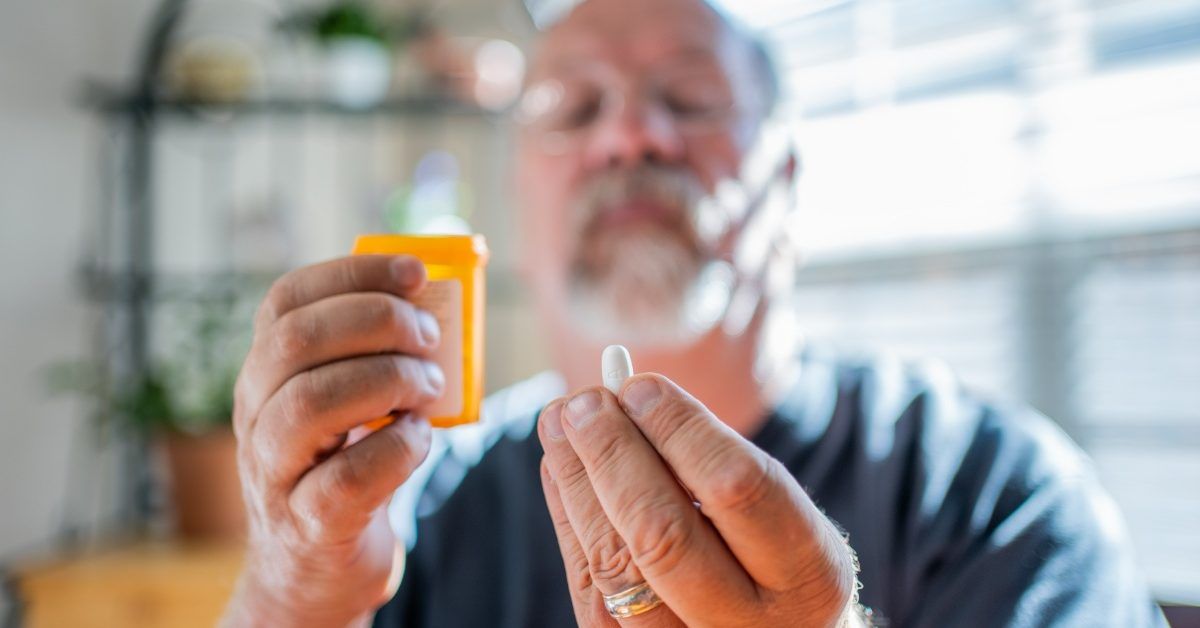
- The Food and Drug Administration (FDA) has approved, for the first time, a PCSK9 inhibitor for the treatment of a form of heritable high cholesterol.
- The new drug, called Lipfendra (generic name ‘enlicitide’), comes in pill form, and the indication is for it to be taken once daily.
- FDA’s decision follows the positive results of two randomized, double-blind, placebo-controlled trials conducted by Merck, the pharmaceutical company that produces Lipfendra.
On Thursday, July 16, 2026, the Food and Drug Administration (FDA) announced the approval
of a new drug called Lipfendra (enlicitide) for the treatment of high cholesterol (hypercholesterolemia) and heterozygous familial hypercholesterolemia, an inherited form of high blood cholesterol
Lipfendra is the first PCSK9
(proprotein convertase subtilisin/kexin type 9) inhibitor formulated in oral pill form. The indication is for it to be taken in 20 milligram (mg) doses on a daily basis
The FDA approval indicates that Lipfendra treatment should be used alongside targeted dietary interventions and physical activity regimens
This landmark approval brings an easier, noninvasive treatment option to people with familial hypercholesterolemia, which is more difficult to manage than high cholesterol that is caused by diet or lifestyle, as it is caused by genetic factors
Familial hypercholesterolemia is life-threatening
, and if left untreated, it causes heart attacks and heart disease
How does Lipfendra work?
Lipfendra works by inhibiting PCSK9, an enzyme produced by the liver, which plays a crucial role in regulating cholesterol levels
The drug ultimately helps to lower levels of low-density lipoprotein (LDL) cholesterol, also known as “bad cholesterol,” which places individuals at a heightened risk of other health problems, particularly cardiovascular issues
Speaking to Medical News Today, Nieca Goldberg, MD, board certified cardiologist and clinical associate professor of medicine at NYU Grossman School of Medicine, explained that “PCSK9 inhibitors lower LDL, or ‘bad,’ cholesterol by blocking the PCSK9 protein.”
“Normally, PCSK9 breaks down LDL receptors in the liver,” Goldberg detailed. “By preventing that breakdown, the medication allows more LDL receptors to remain available and helps the liver clear LDL cholesterol from the bloodstream.”
Daniel Atkinson, MBBS, Clinical Lead at Treated.com, broke down the underlying mechanism for MNT, explaining: “[L]iver cells are covered in specialized proteins called LDL receptors. They grab floating LDL cholesterol from your bloodstream and pull it inside the liver cell to be broken down and disposed of.”
“Normally, after dropping off the cholesterol, the receptor travels back to the surface of the cell to grab more LDL cholesterol. However, PCSK9 — a naturally occurring protein — works to regulate the number of these LDL receptors,” said Atkinson. “It does this by binding directly to the LDL receptor and, instead of letting it recycle back to the cell surface, targets the receptor for destruction inside the cell. “
“As a result, there are fewer receptors on the surface of your liver to clear LDL cholesterol from your blood, causing your cholesterol to rise. PCSK9 inhibitors stop PCSK9 from reducing the number of LDL receptors on the outside of your liver cells,” he added
“The newly-approved Lipfendra — containing the active ingredient enlicitide — works by identifying floating PCSK9 proteins in your liver. When it ‘finds’ them, it binds to them, acting like a cap that covers its docking site,” Atkinson explained. “Because the PCSK9 protein is physically blocked by the drug, it’s no longer able to attach to your liver’s LDL receptors, preventing your liver from prematurely destroying them.”
“So with those receptors saved and safely recycled back to the surface of your liver cells, they’re able to get right back to the work of removing the bad cholesterol from your blood,” he noted
The FDA took the decision to approve Lipfendra for the treatment of hypercholesterolemia, following positive findings on safety and efficacy from two randomized, double-blind, placebo-controlled clinical trials, CORALreef Lipids and CORALreef HeFH
The trials recruited 3,207 adults with severe high cholesterol, both with and without familial hypercholesterolemia, who were already receiving the maximum tolerated amount of statins
In the trials, “the oral PCSK9 inhibitor has been shown to lower LDL cholesterol by approximately 56% to 59%,” Goldberg said
How is Lipfendra different from other anti-cholesterol treatments?
Since it comes in pill form, Lipfendra is a step away from some of the current therapies for familial hypercholesterolemia, some of which are invasive and can be difficult to tolerate
So far, the typical treatment for familial hypercholesterolemia has included a combination of:
- lipoprotein apheresis
, which involves removing blood containing harmful fatty molecules from a person’s body and replacing it with healthy blood - statins, a commonly used cholesterol-lowering drug
- ezetimibe, a cholesterol absorption inhibitor that prevents the small intestine from absorbing cholesterol; this drug can come with a series of mild or serious side effects
- Bempedoic acid, another cholesterol-lowering drug in oral form, which can also come with a series of persistent side effects
- intravenous delivery of PCSK9 inhibitors
- supportive lifestyle changes.
“The oral PCSK9 inhibitor works in the same way as injectable PCSK9 medications, such as Repatha and Praluent, but it is taken by mouth,” Goldberg noted
She told us that: “Other cholesterol treatments work through different mechanisms. Statins inhibit an enzyme involved in the liver’s production of cholesterol, which allows more circulating LDL cholesterol to be removed from the bloodstream. Statins can lower cholesterol by approximately 35% to 50%.”
As for ezetimibe, it “blocks the absorption of dietary and biliary cholesterol in the intestine and can lower cholesterol by approximately 15% to 20%,” the cardiologist continued
“Bempedoic acid lowers cholesterol by inhibiting cholesterol production in the liver and can reduce LDL cholesterol by [up to] 28%,” she added
“Lipfendra (enlicitide) bridges the gap between the convenience of a daily pill and the efficacy of an injectable,” said Atkinson
“When compared with traditional statins […] the main difference is in how the drugs work. While statins work inside liver cells to block the processes that create cholesterol in the first place, Lipfendra works outside the cells to make sure your liver has enough active receptors to clear the cholesterol floating in your blood,” he explained
“Because of this, statins remain the first line of defense. But if statins alone don’t work to lower your cholesterol enough, or if you experience statin-induced muscle pain, Lipfendra offers a different, highly effective option with a different side effect profile,” he detailed
More importantly, however, “when compared with other non-statin pills like ezetimibe or bempedoic acid, the big difference is in efficacy,” Atkinson emphasized
He pointed out that Lipfendra delivered significantly greater LDL cholesterol reduction than drugs like ezetimibe and Bempedoic acid
“And lastly, when compared with existing PCSK9 inhibitors like Repatha, Praluent, and Leqvio, which are injection treatments, the main difference is convenience,” he noted
“Repatha and Praluent require self-injections every 2 to 4 weeks, and Leqvio is given twice a year. They also require special refrigerated storage, while Lipfendra is a simple daily pill that can be stored at room temperature,” said Atkinson
“So while they achieve nearly identical results, Lipfendra is simply a needle-free, accessible version of this type of medication,” the expert concluded
